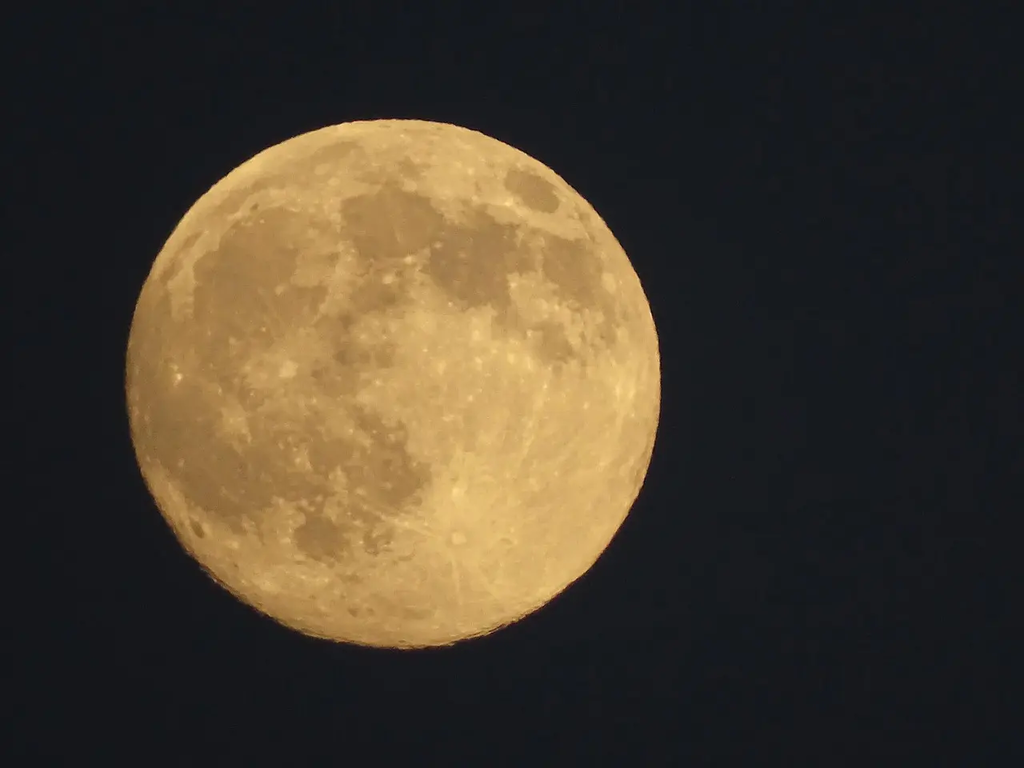
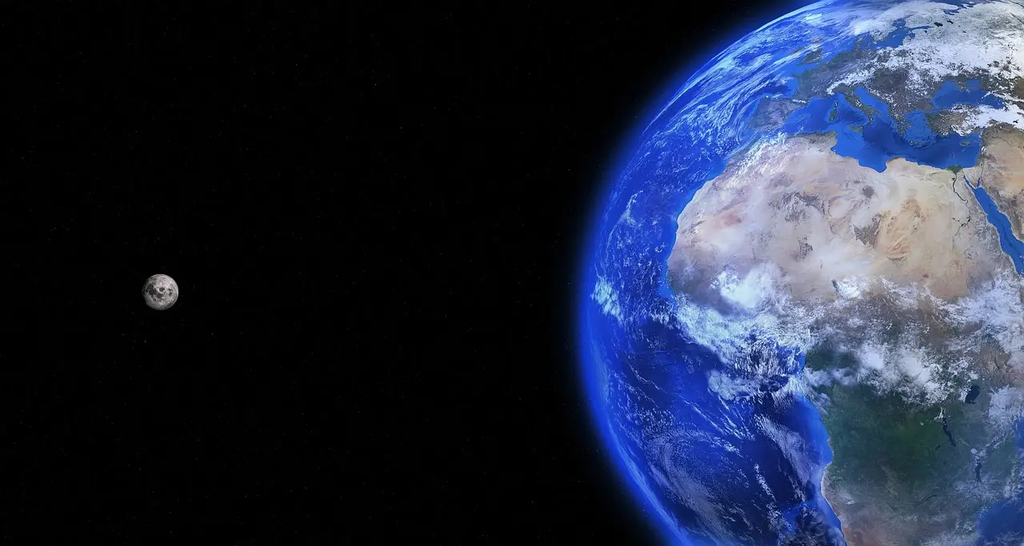
The Moon's composition primarily consists of rocky material, including silicate minerals such as olivine and pyroxene. Its crust is rich in oxygen, silicon, magnesium, iron, calcium, and aluminum. Beneath the crust lies a mantle of similar silicate rocks, while the core is thought to contain iron, possibly with some sulfur and nickel. Unlike Earth, the Moon lacks significant water and has no atmosphere, making its surface dry and exposed.
Moon's Composition
The Moon's composition primarily consists of rocky material, including silicate minerals such as olivine and pyroxene. Its crust is rich in oxygen, silicon, magnesium, iron, calcium, and aluminum. Beneath the crust lies a mantle of similar silicate rocks, while the core is thought to contain iron, possibly with some sulfur and nickel. Unlike Earth, the Moon lacks significant water and has no atmosphere, making its surface dry and exposed.
💡 Key Takeaways
- Identify the Moon’s main components: crust (dominant anorthosite in the highlands), mare basalt, and a small iron core.
- Distinguish between rock types—anorthositic crust vs basaltic mare rocks—and what they reveal about lunar geology.
- Understand how the Moon’s composition informs its origin and history, including clues about the giant-impact formation.
- Learn how scientists study the Moon’s composition through Apollo samples, lunar meteorites, and remote sensing data to map its elemental makeup (O, Si, Mg, Fe).
❓ Frequently Asked Questions
What are the main layers of the Moon and what are they made of?
The Moon has a crust, mantle, and a small core. The crust is feldspar-rich (anorthosite in highlands; basalt in maria), the mantle contains olivine and pyroxene, and the core is believed to be iron-nickel alloy.
What minerals dominate the Moon's surface rocks?
Plagioclase feldspar is common in the crust, with mafic minerals like pyroxene and olivine making up many lunar rocks.
What evidence do scientists use to study the Moon's composition?
Apollo rock samples, lunar meteorites, and remote sensing data from orbiters, plus seismic data from past missions.
How does the Moon's core compare to Earth's in size and composition?
The Moon's core is small (about 1–2% of its mass) and likely iron-nickel alloy, much smaller than Earth's large, partly molten core.