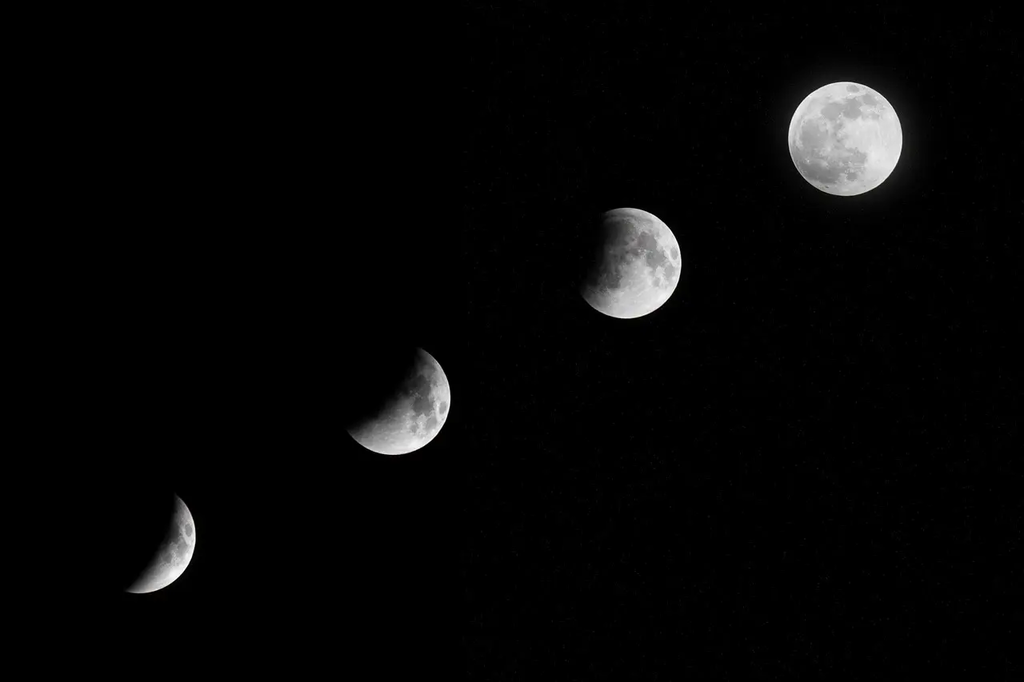
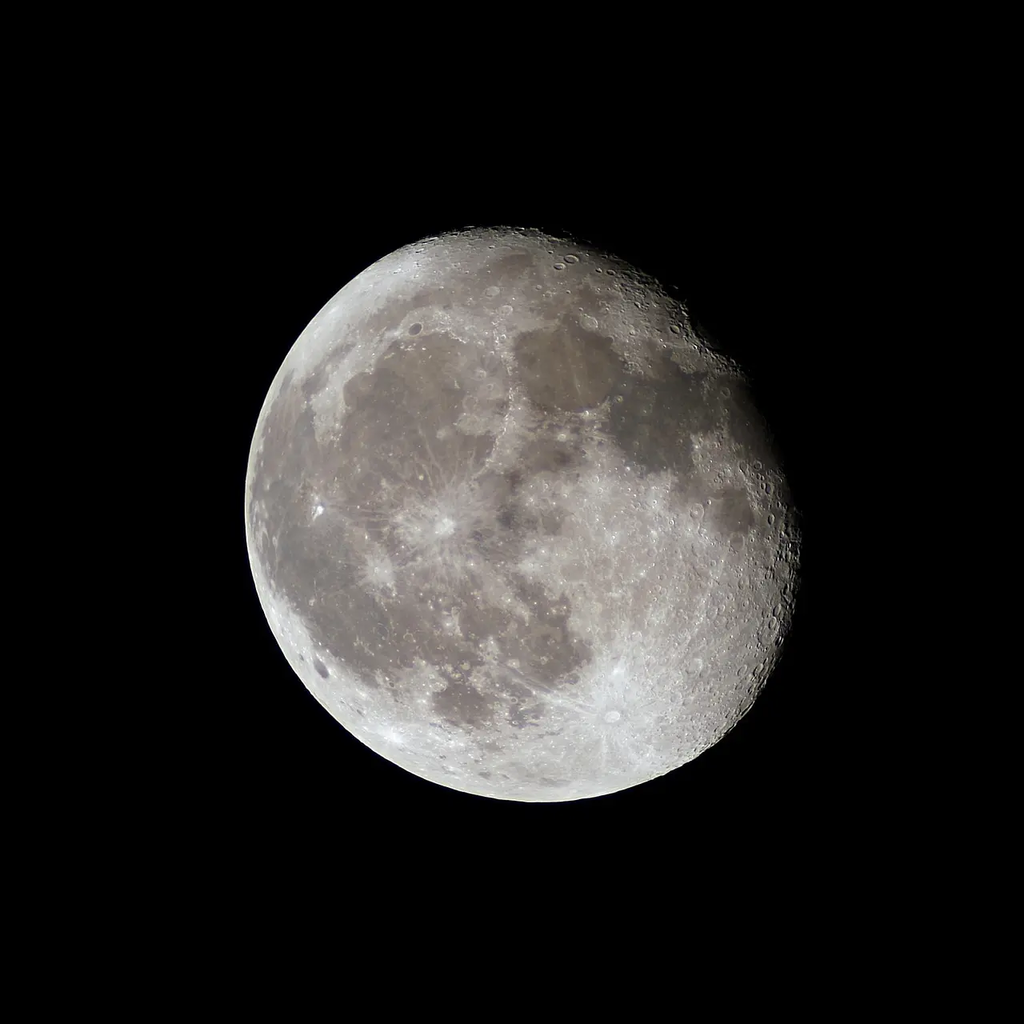
Moon's craters are bowl-shaped depressions on the lunar surface, formed primarily by the impact of meteoroids, asteroids, and comets over billions of years. These craters vary in size, from tiny pits to massive basins hundreds of kilometers wide. Their abundance and preservation provide valuable insights into the Moon's geological history and the early solar system, as the lack of atmosphere prevents erosion and allows these ancient features to remain visible.
Moon's Craters
Moon's craters are bowl-shaped depressions on the lunar surface, formed primarily by the impact of meteoroids, asteroids, and comets over billions of years. These craters vary in size, from tiny pits to massive basins hundreds of kilometers wide. Their abundance and preservation provide valuable insights into the Moon's geological history and the early solar system, as the lack of atmosphere prevents erosion and allows these ancient features to remain visible.
💡 Key Takeaways
- Understand how lunar craters form from asteroid and comet impacts
- Identify key crater features (rim, central peak, floor) and what they reveal
- Explain how crater size and morphology relate to impact energy and age
- Explore how scientists study craters across the Moon using remote sensing and returned samples
❓ Frequently Asked Questions
What causes craters on the Moon?
Impact from meteoroids, asteroids, and comets; the Moon's lack of atmosphere allows objects to hit directly, creating circular basins.
Why do some lunar craters have bright rays?
Bright rays are material ejected during a fresh impact; over time, space weathering dulls the rays.
What is the difference between lunar maria and highlands?
Maria are dark, smooth plains formed by ancient lava flows; highlands are lighter, rugged, and heavily cratered, and are generally older than maria.
How do scientists estimate the age of lunar craters?
By crater counting and layering (stratigraphy), plus radiometric dating of samples from lunar missions; craters with bright, prominent rays tend to be younger.