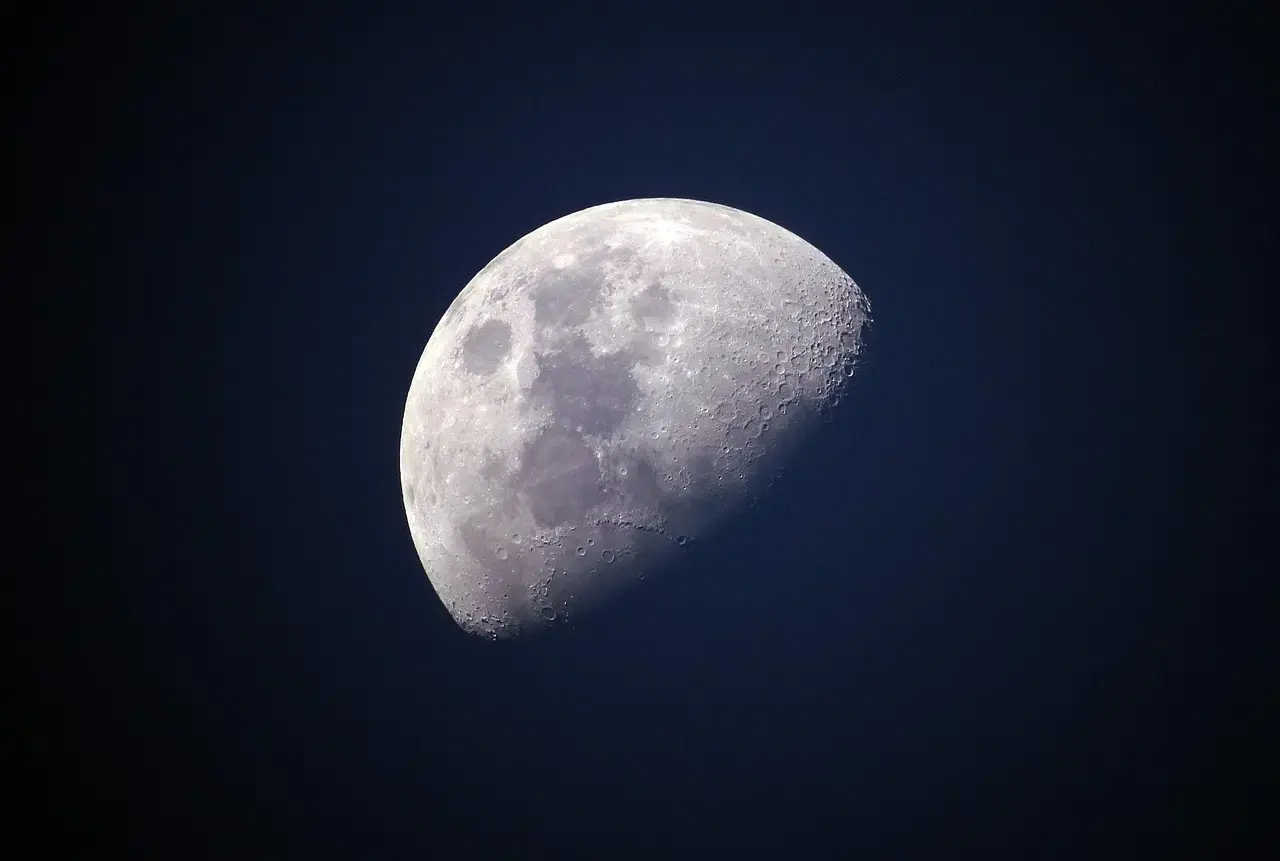
The Moon's geological features include vast plains called maria, formed by ancient volcanic eruptions, and rugged highlands covered with impact craters. Its surface is marked by rilles, which are channels or grooves, and mountain ranges created by asteroid impacts. The Moon also has regolith, a layer of loose dust and rock fragments. These features reveal the Moon's dynamic history and provide clues about the processes that shaped its surface over billions of years.
Moon's Geological Features
The Moon's geological features include vast plains called maria, formed by ancient volcanic eruptions, and rugged highlands covered with impact craters. Its surface is marked by rilles, which are channels or grooves, and mountain ranges created by asteroid impacts. The Moon also has regolith, a layer of loose dust and rock fragments. These features reveal the Moon's dynamic history and provide clues about the processes that shaped its surface over billions of years.
💡 Key Takeaways
- Identify the Moon's main surface features: craters, maria, and highlands.
- Explain how impact cratering and ancient volcanism shaped the lunar landscape.
- Describe maria basalts and the differences between mare and highland rocks.
- Understand regolith formation and space weathering on the Moon.
❓ Frequently Asked Questions
What are the Moon's maria and how did they form?
Maria are the Moon's large, dark plains formed by ancient volcanic lava flows that filled big impact basins; the lava cooled into smooth basalt surfaces.
Why are there so many impact craters on the Moon?
The Moon lacks an atmosphere and weather to erase them, so meteoroids have struck its surface for billions of years, creating lasting craters; crater density helps date surfaces.
What are lunar rilles and wrinkle ridges, and how did they form?
Rilles are channels carved by flowing lava or tectonic cracks; wrinkle ridges are long, raised lines formed as basaltic lava plains cooled and contracted.
What is lunar regolith and what can it tell us?
Regolith is the Moon's loose layer of dust and broken rock produced by micrometeoroid impacts and space weathering; studying it reveals surface processes, age, and resources.