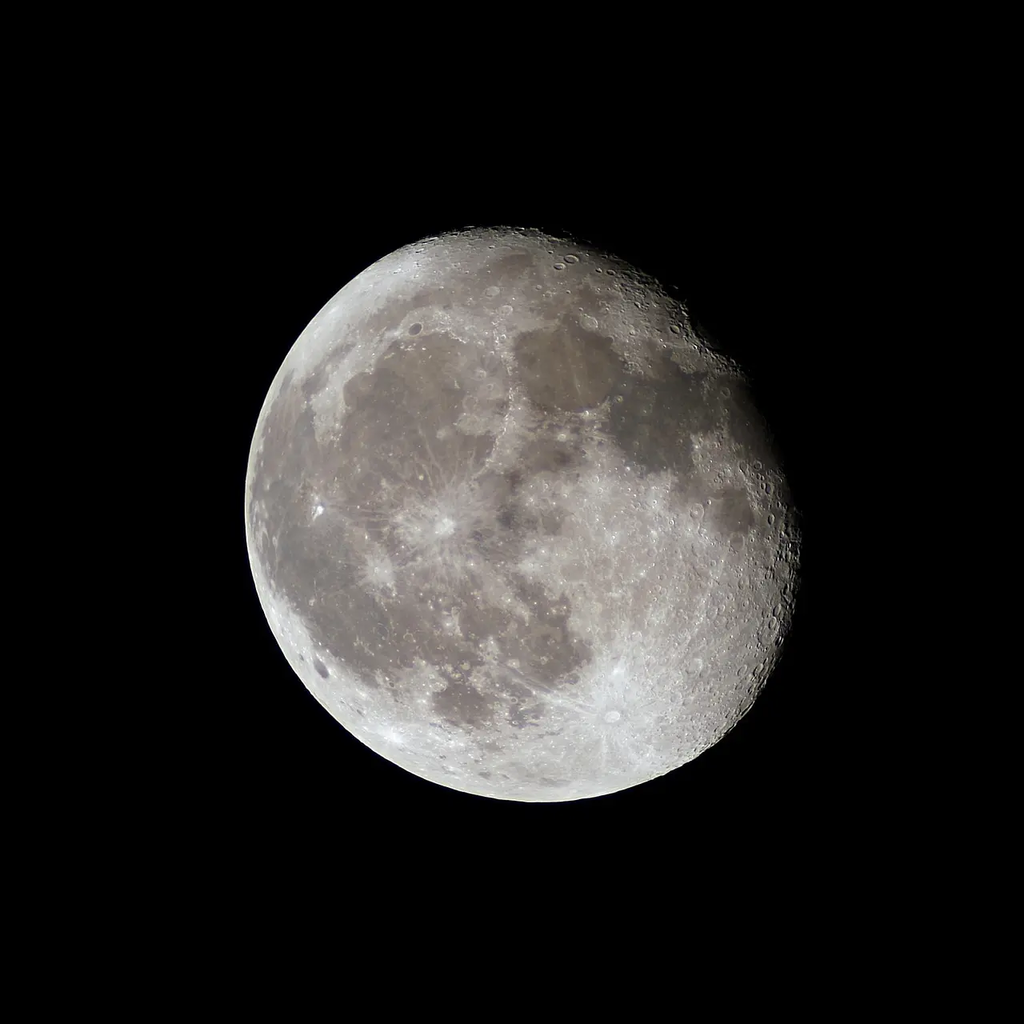
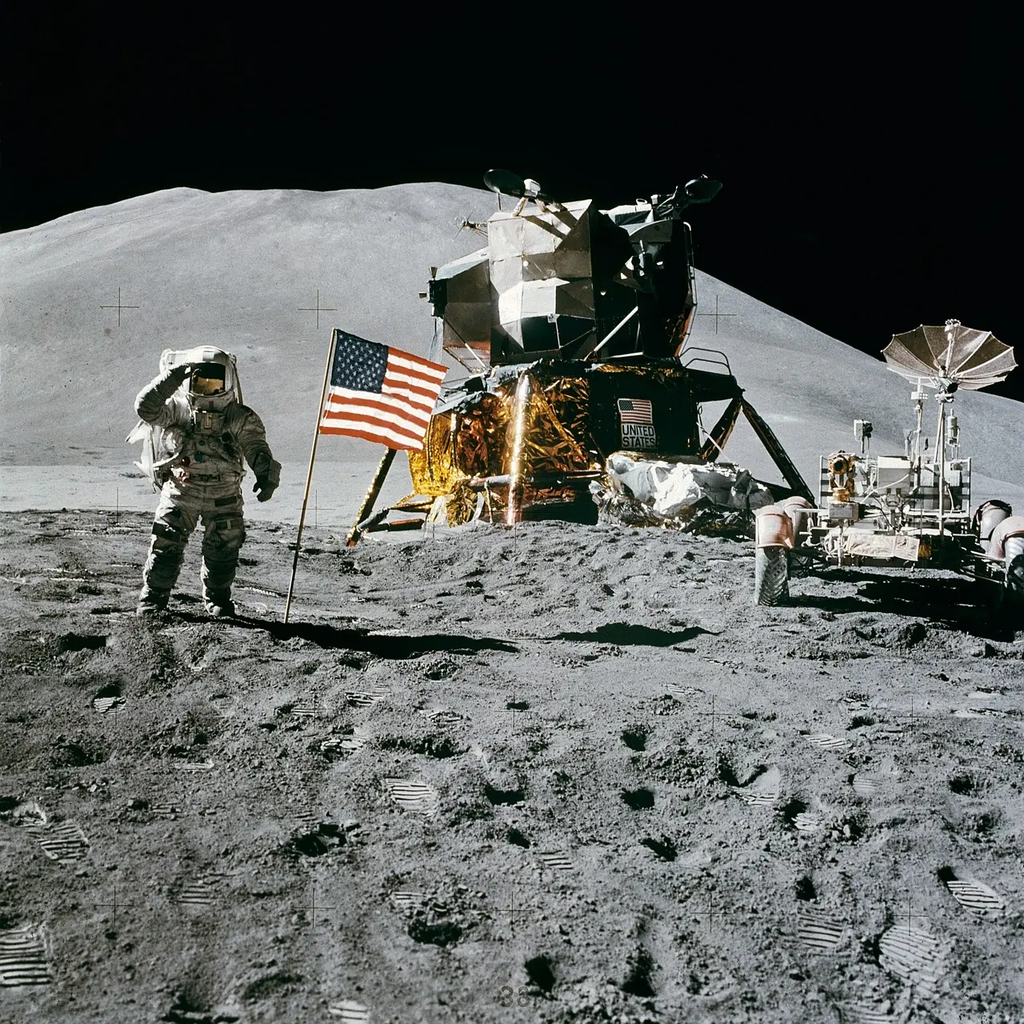
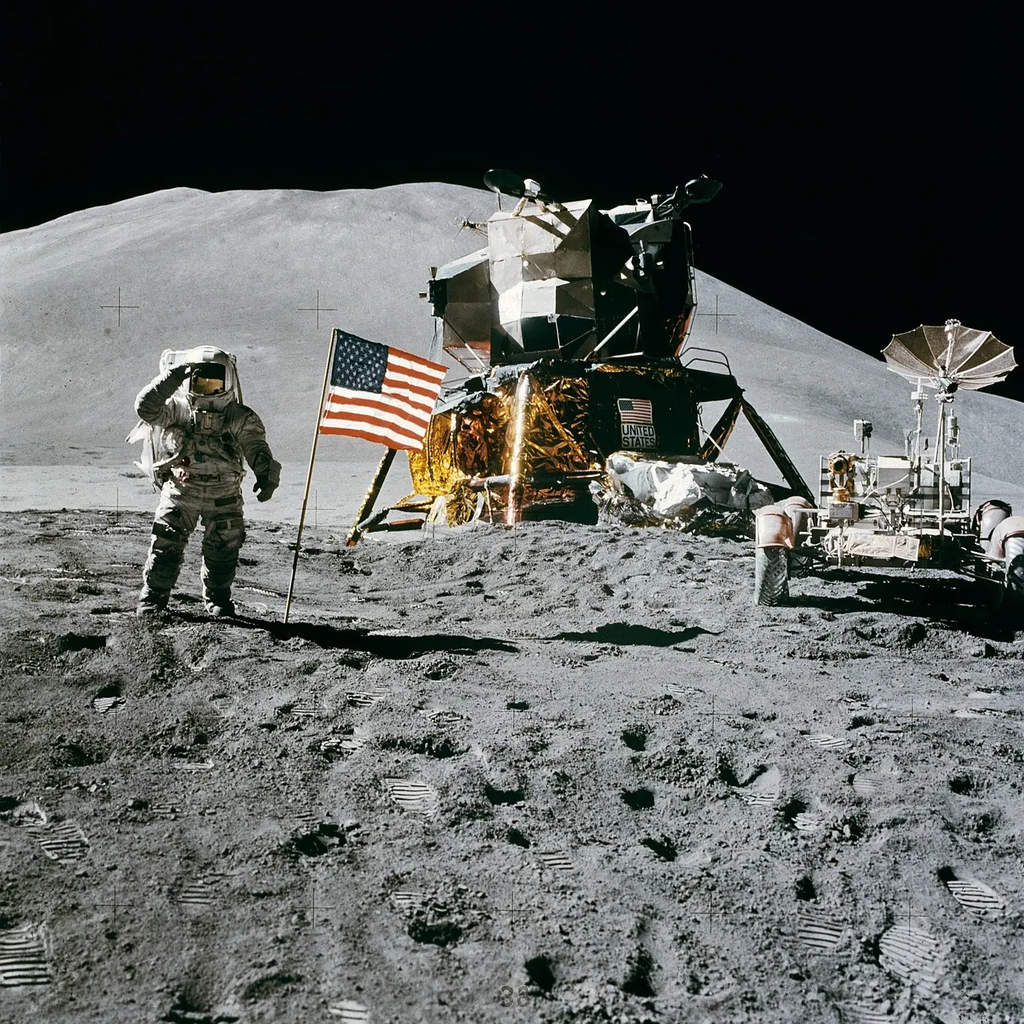
The Moon’s gravity is about one-sixth as strong as Earth’s, meaning objects on the Moon weigh much less than on our planet. This weaker gravitational pull is due to the Moon’s smaller mass and size. Moon’s gravity affects the motion of astronauts, allowing them to jump higher and move differently than on Earth. It also plays a crucial role in causing tides on Earth by pulling on our planet’s oceans.
Moon's Gravity+50
The Moon’s gravity is about one-sixth as strong as Earth’s, meaning objects on the Moon weigh much less than on our planet. This weaker gravitational pull is due to the Moon’s smaller mass and size. Moon’s gravity affects the motion of astronauts, allowing them to jump higher and move differently than on Earth. It also plays a crucial role in causing tides on Earth by pulling on our planet’s oceans.
💡 Key Takeaways
- Moon gravity is about 1/6 of Earth's, affecting weight, friction, and movement on the surface.
- See how weaker gravity changes how astronauts jump, bend, and handle tools during lunar tasks.
- Understand how gravity influences lunar landings, surface operations, and experiment setup.
- Learn how Moon gravity shapes orbital dynamics and mission planning for satellites and spacecraft around the Moon.
❓ Frequently Asked Questions
What is the Moon's gravity?
The Moon's surface gravity is about 1.62 m/s², roughly one-sixth of Earth's gravity.
How does Moon gravity compare to Earth's?
Earth's gravity is about 9.81 m/s². On the Moon, gravity is ~1.62 m/s², so your weight is about six times lighter on the Moon (mass remains the same).
How does the Moon's gravity affect movement and jumping?
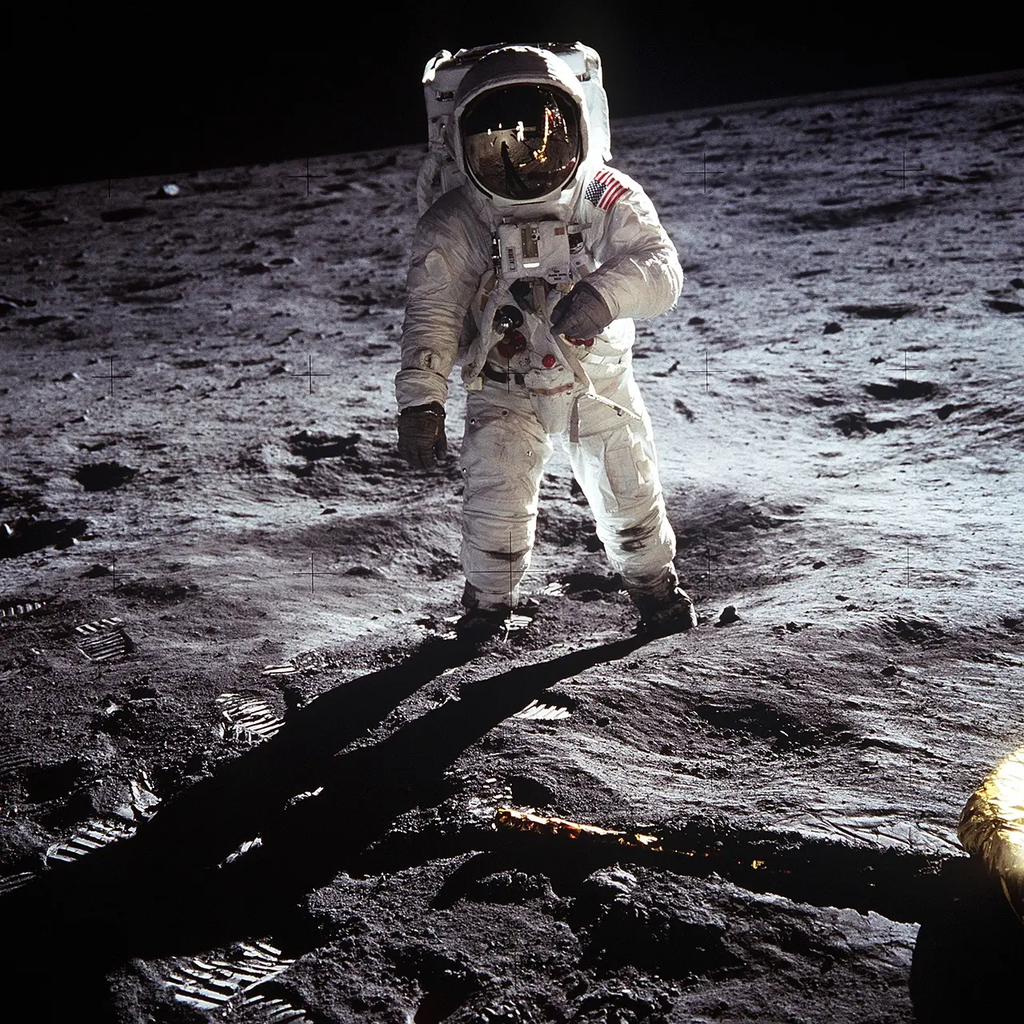
Lower gravity lets you jump higher and move in larger, slower hops. With little to no atmosphere, there’s also minimal air resistance.
How do you calculate your weight on the Moon?
Weight on the Moon = mass × 1.62 m/s². For example, a 60 kg person weighs about 97 N (~22 lbf) on the Moon, compared to ~589 N (~132 lbf) on Earth.