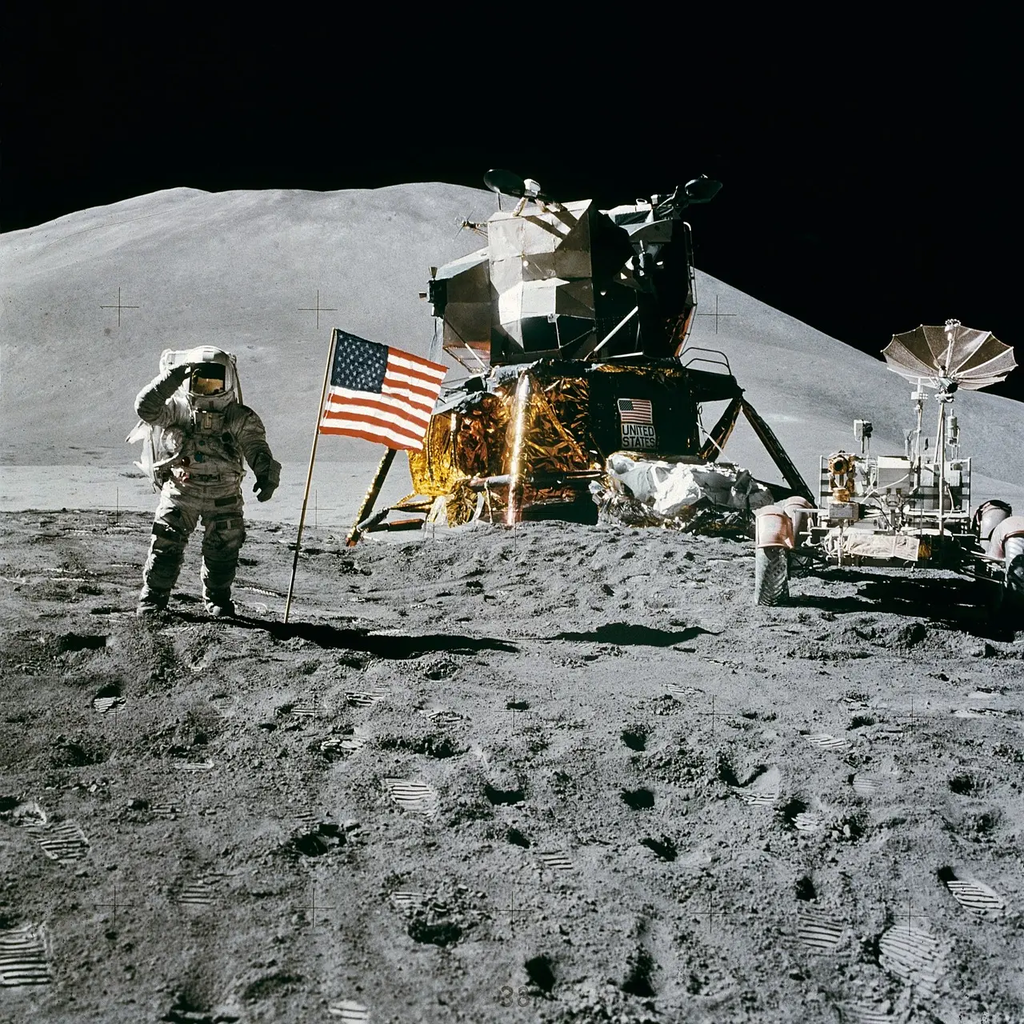
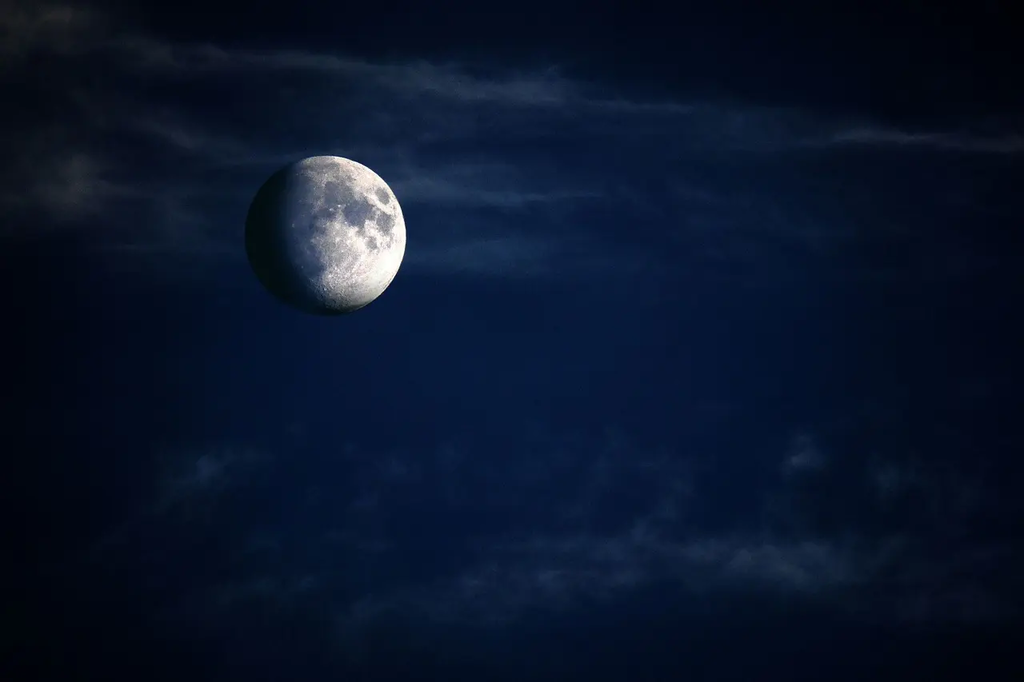
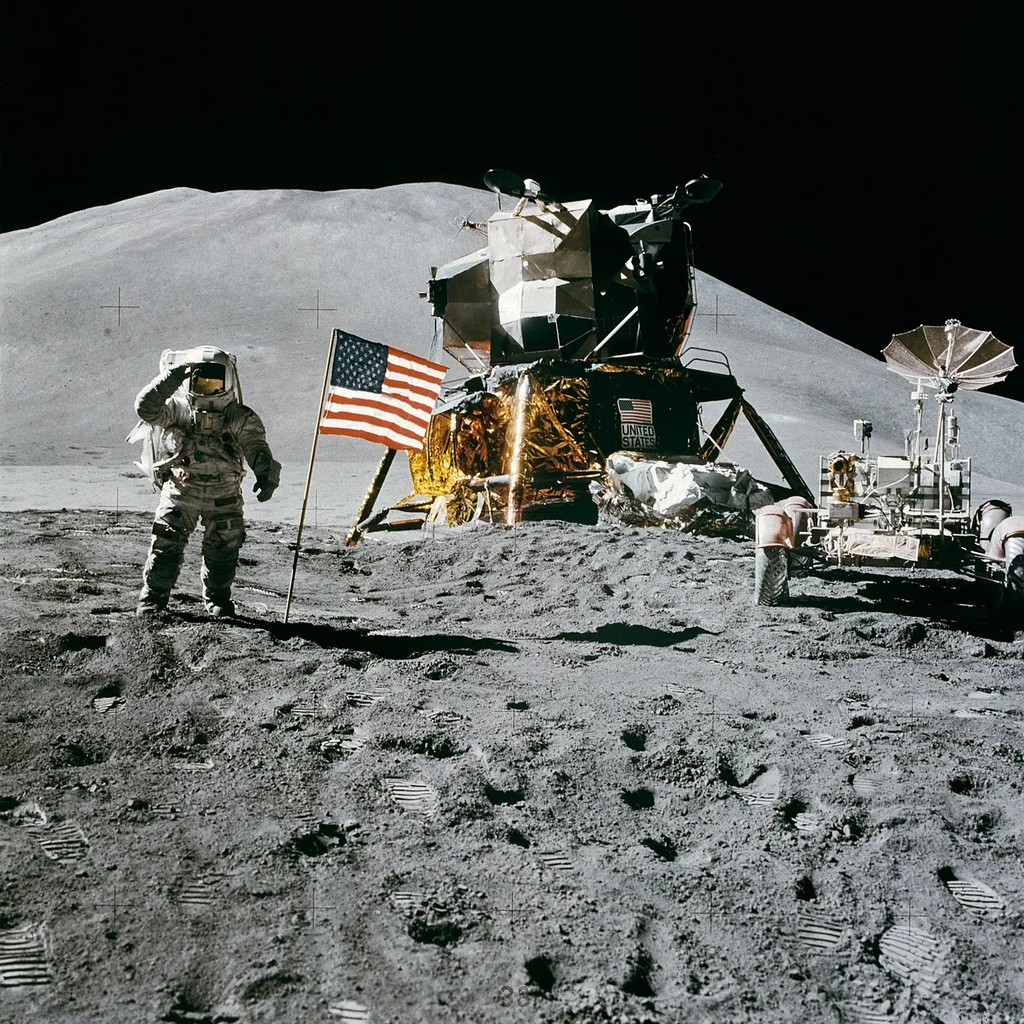
Moon's historical observations refer to the systematic study and recording of the Moon by ancient and modern civilizations. These observations include tracking lunar phases, eclipses, and surface features, which have influenced calendars, navigation, and mythology. Over centuries, advancements in telescopes and space exploration have deepened our understanding of the Moon’s composition, origin, and its role in the solar system, marking significant milestones in both astronomy and human curiosity.
Moon's Historical Observations
Moon's historical observations refer to the systematic study and recording of the Moon by ancient and modern civilizations. These observations include tracking lunar phases, eclipses, and surface features, which have influenced calendars, navigation, and mythology. Over centuries, advancements in telescopes and space exploration have deepened our understanding of the Moon’s composition, origin, and its role in the solar system, marking significant milestones in both astronomy and human curiosity.
💡 Key Takeaways
- Trace how civilizations recorded the Moon’s phases and motions throughout history.
- Identify key milestones in lunar observation—from naked-eye records to telescope discoveries and space missions.
- Understand how lunar features (craters, maria, highlands) shaped early science and mythologies.
- Explore how Moon observations influenced calendars, navigation, and cultural beliefs around the world.
❓ Frequently Asked Questions
What does Moon's historical observations mean?
It refers to how people have studied the Moon over time—from naked-eye watching to telescopic mapping of its surface features and describing its phases.
Who were key figures in early Moon observations?
Ancient skywatchers noted the Moon’s phases; Galileo Galilei (1609) first revealed lunar mountains and craters with a telescope; later selenographers like Giovanni Riccioli and Johannes Hevelius produced influential lunar maps.
What is selenography and why is it important?
Selenography is the science of mapping the Moon’s surface. It turned scattered observations into systematic charts, helping scientists study lunar geography and history.
What are maria and highlands, and how did observers describe them?
Maria are the dark, basaltic plains; highlands are lighter, cratered regions. Early observers named and described these features, a practice later formalized in lunar maps.