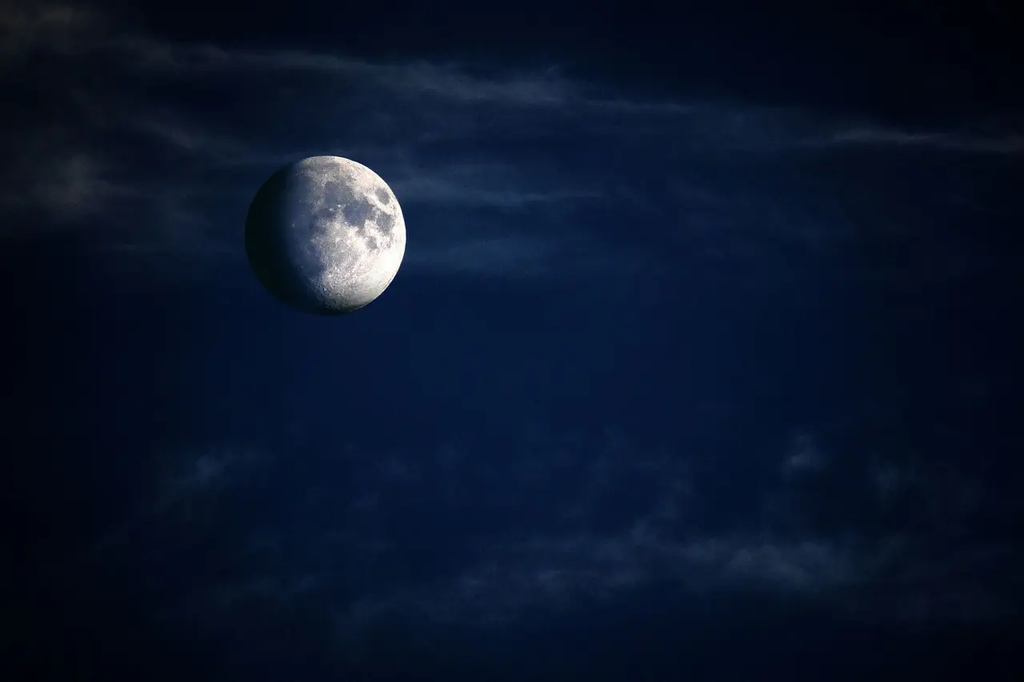
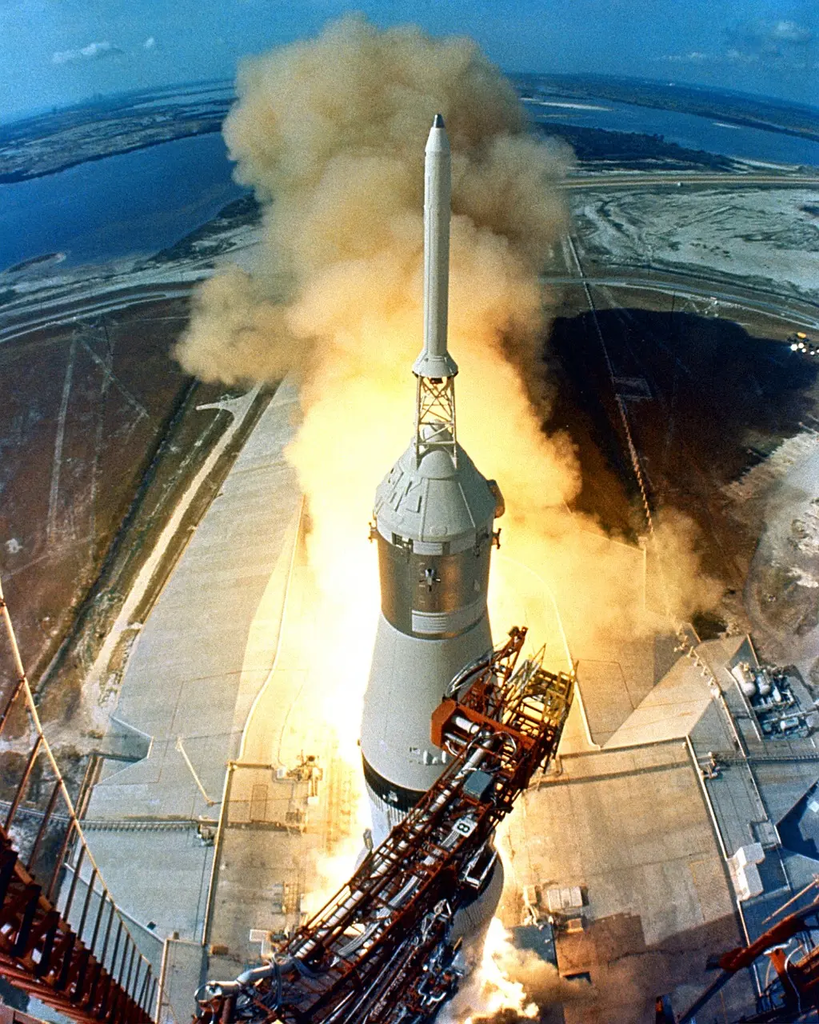
The Moon significantly impacts Earth through its gravitational pull, which creates ocean tides and stabilizes the planet’s axial tilt. This stabilization helps regulate Earth’s climate over long periods. The Moon also slows Earth’s rotation gradually, lengthening days over millions of years. Its presence influences natural rhythms, such as animal behaviors and plant cycles, and provides light at night, shaping ecosystems and human culture throughout history.
Moon's Influence on Earth
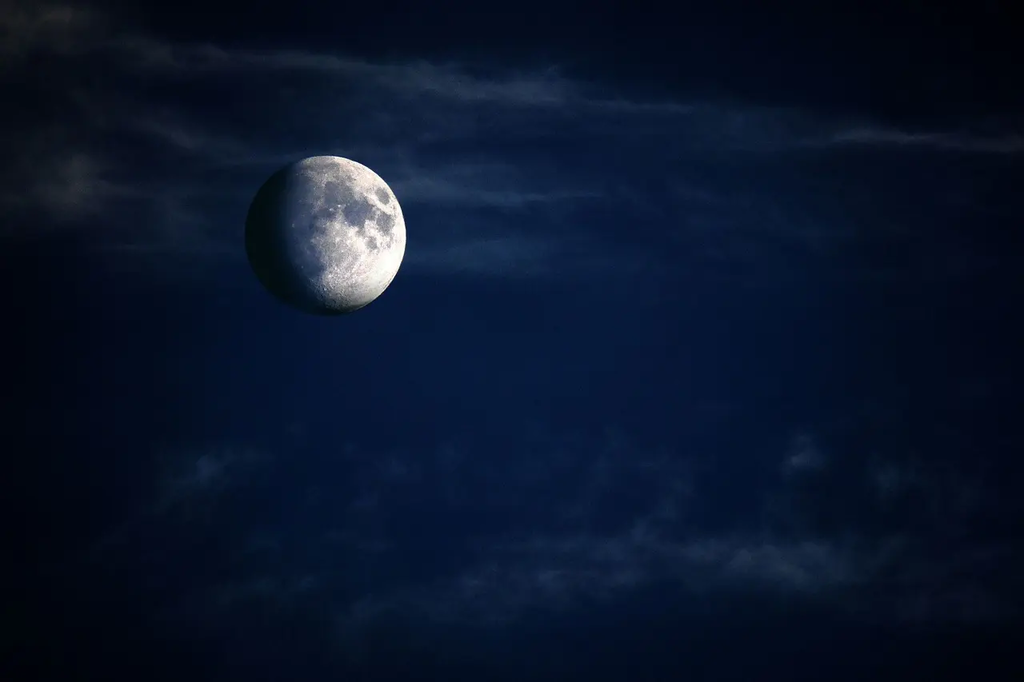
The Moon significantly impacts Earth through its gravitational pull, which creates ocean tides and stabilizes the planet’s axial tilt. This stabilization helps regulate Earth’s climate over long periods. The Moon also slows Earth’s rotation gradually, lengthening days over millions of years. Its presence influences natural rhythms, such as animal behaviors and plant cycles, and provides light at night, shaping ecosystems and human culture throughout history.
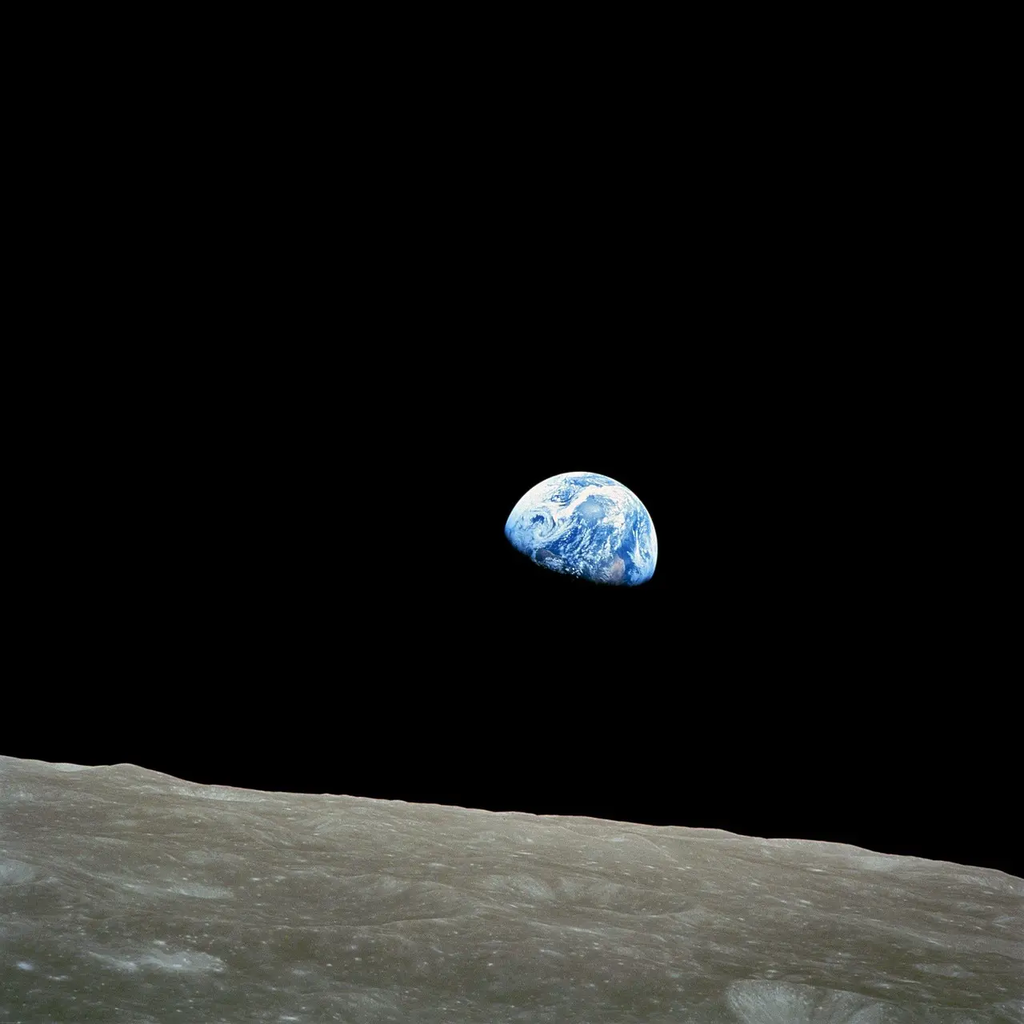
💡 Key Takeaways
- Explain how the Moon's gravity drives ocean tides on Earth.
- Identify the Moon's primary phases and how the lunar cycle unfolds.
- Describe how the Moon helps stabilize Earth's axial tilt and its impact on seasons.
- Understand when and why solar and lunar eclipses occur and how to predict them.
❓ Frequently Asked Questions
What causes Earth's tides?
The Moon's gravity pulls on Earth's oceans, and the Sun's gravity also contributes. Tides are strongest when the Sun and Moon align (spring tides) and weaker when they are at right angles (neap tides).
How does the Moon affect Earth's rotation and day length?
Tidal forces transfer angular momentum from Earth to the Moon, slowly slowing Earth's rotation and causing the Moon to recede. This lengthens the day by about 1.7 milliseconds per century.
How does the Moon influence Earth's climate stability?
By stabilizing Earth's axial tilt around ~23.5°, the Moon reduces long-term climate variations and helps maintain relatively stable seasons.
What are lunar phases and why do they happen?
Phases are the visible shape of the Sunlit part of the Moon as seen from Earth, changing as the Moon orbits. The cycle from New Moon to Full Moon to New Moon takes about 29.5 days.