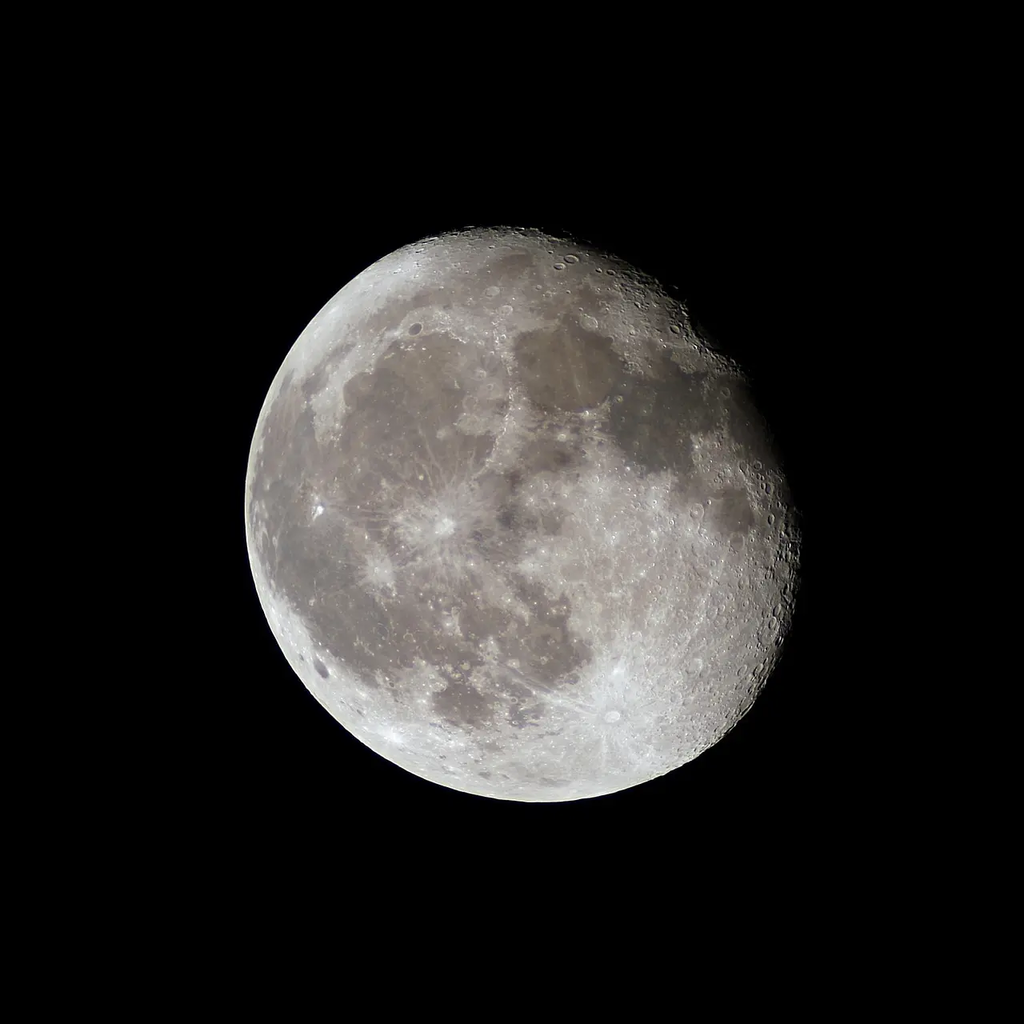
The Moon’s gravitational pull stabilizes Earth’s axial tilt, preventing dramatic shifts over time. This stability helps regulate Earth’s climate and seasons, making the planet more hospitable for life. Without the Moon’s influence, Earth’s axis could wobble unpredictably, leading to extreme climate changes. The Moon’s presence, therefore, plays a crucial role in maintaining the balance necessary for sustaining diverse ecosystems and long-term habitability on Earth.
Moon's Influence on Earth's Axis
The Moon’s gravitational pull stabilizes Earth’s axial tilt, preventing dramatic shifts over time. This stability helps regulate Earth’s climate and seasons, making the planet more hospitable for life. Without the Moon’s influence, Earth’s axis could wobble unpredictably, leading to extreme climate changes. The Moon’s presence, therefore, plays a crucial role in maintaining the balance necessary for sustaining diverse ecosystems and long-term habitability on Earth.

💡 Key Takeaways
- Understand how the Moon's gravity influences Earth's axial tilt (obliquity) and helps stabilize it over geological timescales.
- Learn how lunar gravitational torques contribute to Earth's axial precession, affecting long-term climate cycles.
- Explore how tidal forces between Earth and the Moon transfer angular momentum, gradually lengthening Earth's day.
- Distinguish between obliquity and precession and identify the Moon's distinct roles in each.
❓ Frequently Asked Questions
How does the Moon influence Earth's axis?
The Moon's gravity exerts a torque on Earth's equatorial bulge, causing the axis to wobble (axial precession) and helping stabilize the tilt over long timescales.
What is axial precession?
Axial precession is the slow, 26,000-year wobble of Earth's rotation axis caused by gravitational torques from the Sun and Moon on Earth's equatorial bulge.
Why does the Moon stabilize Earth's tilt (obliquity)?
The Moon's gravity dampens large changes in the tilt, reducing extreme variations from other planetary perturbations and helping keep the tilt around its current angle.
What is obliquity and why does it matter for climate?
Obliquity is the tilt of Earth's axis relative to its orbit. Changes in tilt alter seasonal sunlight distribution and drive long-term climate cycles; the Moon influences the magnitude of these tilt changes.