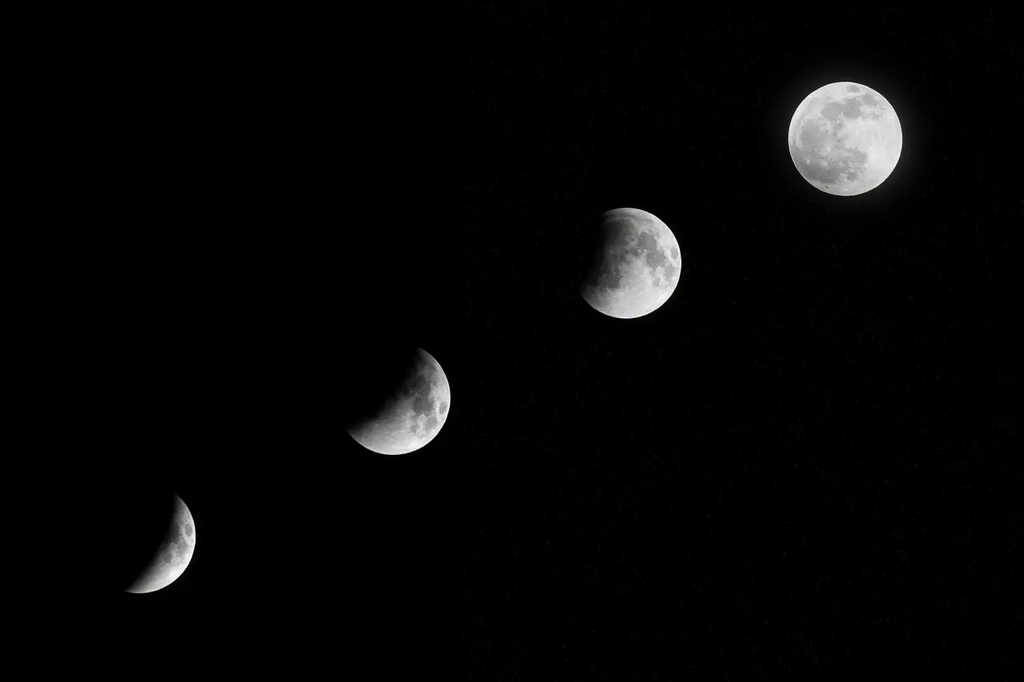
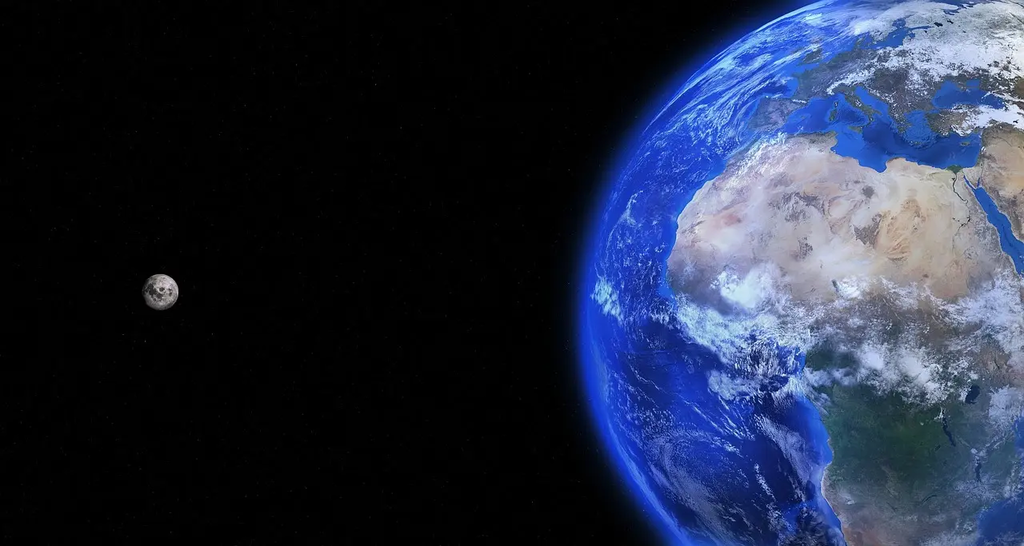
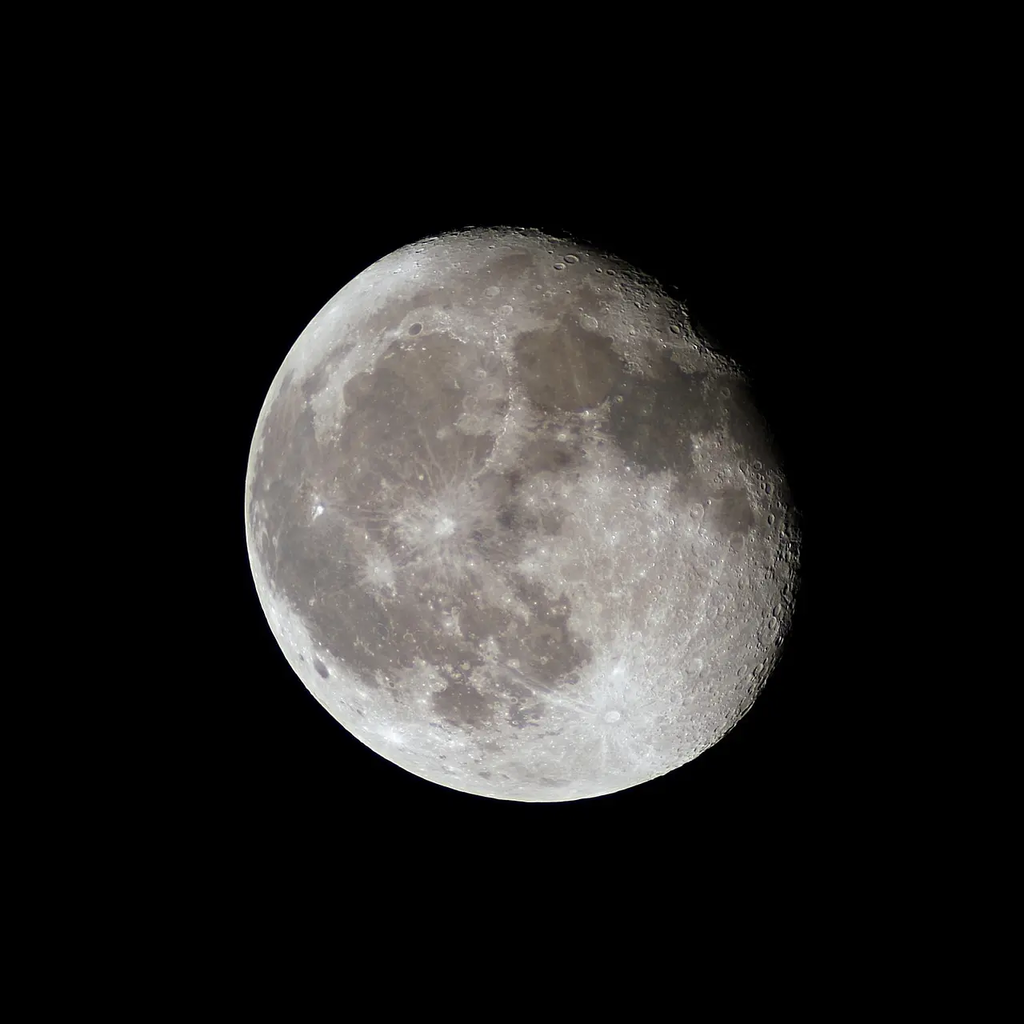
The Moon’s gravitational pull stabilizes Earth’s axial tilt, which helps regulate our planet’s climate over long periods. Its presence reduces drastic shifts in Earth’s orientation, preventing extreme climate changes that could disrupt life. Additionally, the Moon’s gravity causes ocean tides, which play a role in distributing heat and nutrients around the globe, further influencing weather patterns and the overall stability of Earth’s climate system.
Moon's Influence on Earth's Climate
The Moon’s gravitational pull stabilizes Earth’s axial tilt, which helps regulate our planet’s climate over long periods. Its presence reduces drastic shifts in Earth’s orientation, preventing extreme climate changes that could disrupt life. Additionally, the Moon’s gravity causes ocean tides, which play a role in distributing heat and nutrients around the globe, further influencing weather patterns and the overall stability of Earth’s climate system.
💡 Key Takeaways
- {Explain how the Moon's gravity drives tides and how tidal mixing can influence regional ocean temperatures and climate}
- {Describe the lunar cycles (synodic month and longer lunisolar cycles) and their potential links to climate variability}
- {Distinguish between the Moon's indirect influence via oceans and its relatively small direct impact compared with greenhouse gases}
- {Identify real-world examples and limitations of lunar forcing in climate research, including tidal mixing zones and coastal climates}
❓ Frequently Asked Questions
What is the Moon's main role in Earth's climate?
Primarily indirect: tides help mix oceans and distribute heat, and the Moon's gravity stabilizes Earth's axial tilt, moderating long-term climate swings.
How do tides influence Earth's climate?
Tides drive ocean mixing, which moves heat and nutrients around the globe and supports carbon cycling, affecting regional and long-term climate patterns.
Why is the Moon important for stabilizing Earth's climate?
The Moon's gravity keeps Earth's tilt relatively stable, reducing extreme seasons and helping maintain a climate regime suitable for diverse ecosystems.
Does the Moon directly affect day-to-day weather?
Not directly. Weather is driven by atmospheric dynamics and ocean currents; the Moon's influence is mainly indirect through tides and long-term tilt stability.
Does moonlight affect temperatures or climate?
No. Moonlight is a tiny amount of reflected sunlight and does not meaningfully impact Earth's climate.