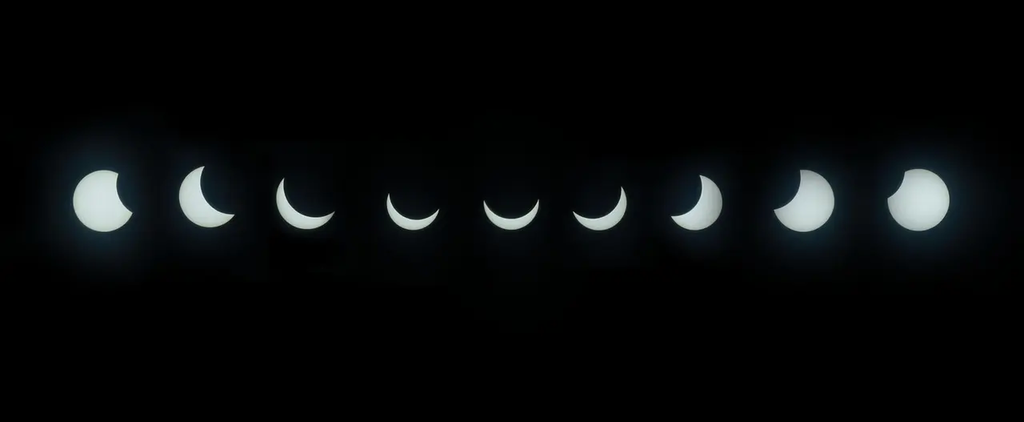
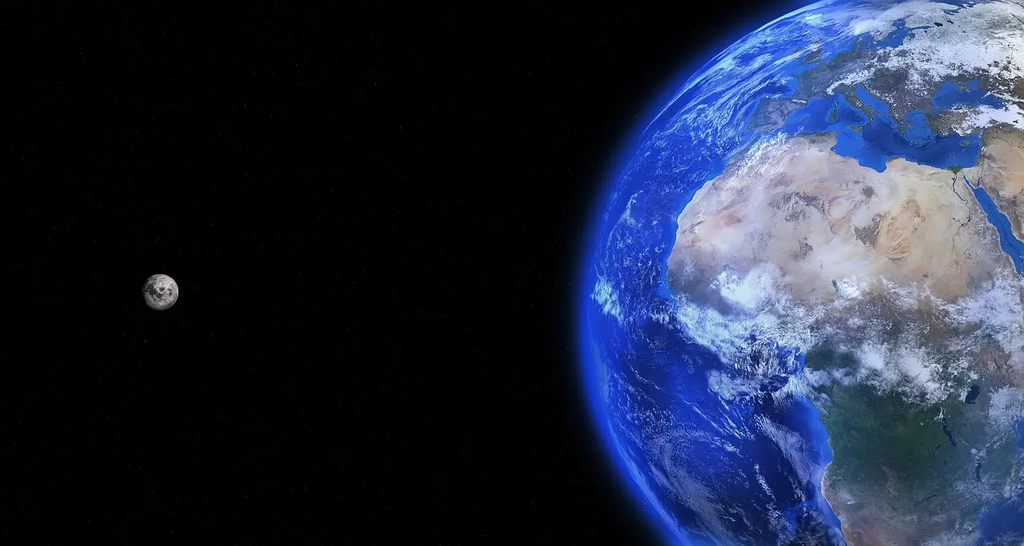
The Moon's orbit refers to the path the Moon takes as it revolves around Earth in space. This orbit is slightly elliptical, meaning it isn’t a perfect circle. It takes about 27.3 days for the Moon to complete one full orbit. The gravitational pull between the Earth and the Moon causes tides and influences both bodies. The Moon’s orbit also affects the phases we see from Earth, such as full moon and new moon.
Moon's Orbit+50
The Moon's orbit refers to the path the Moon takes as it revolves around Earth in space. This orbit is slightly elliptical, meaning it isn’t a perfect circle. It takes about 27.3 days for the Moon to complete one full orbit. The gravitational pull between the Earth and the Moon causes tides and influences both bodies. The Moon’s orbit also affects the phases we see from Earth, such as full moon and new moon.
💡 Key Takeaways
- Learn that the Moon orbits Earth in an elliptical path roughly once every sidereal month (~27.3 days) and that the Moon's phases take about 29.5 days to cycle (synodic month).
- Understand that the Moon's orbital plane is tilted about 5° to the ecliptic, which limits eclipses to specific alignments near new and full Moon.
- Know that the Moon is tidally locked to Earth, so it rotates once per orbit and presents the same face most of the time.
- Realize that the distance to the Moon varies from roughly 363,000 km (perigee) to about 405,000 km (apogee), causing subtle changes in apparent size and brightness.
❓ Frequently Asked Questions
What is the Moon's orbital period around Earth?
There are two common terms: the sidereal month (~27.32 days) is Moon returning to the same position relative to the stars; the synodic month (~29.53 days) is the cycle of Moon phases (new Moon to new Moon) due to Earth's orbit around the Sun.
How tilted is the Moon's orbit relative to Earth's orbital plane?
The Moon's orbit is inclined about 5.14 degrees to the ecliptic. The line of nodes where it crosses the plane slowly rotates on an ~18.6-year cycle, affecting when eclipses can occur.
What causes the Moon's phases?
Phases arise from the portion of the Moon's sunlit half that we see from Earth as it orbits; as it moves, different amounts of the lit side are visible, creating crescent, quarter, gibbous, and full Moon.
What are perigee and apogee?
Perigee is the Moon's closest approach to Earth (about 363,300 km on average); apogee is the farthest point (about 405,500 km). Distances vary due to the elliptical shape of the orbit.