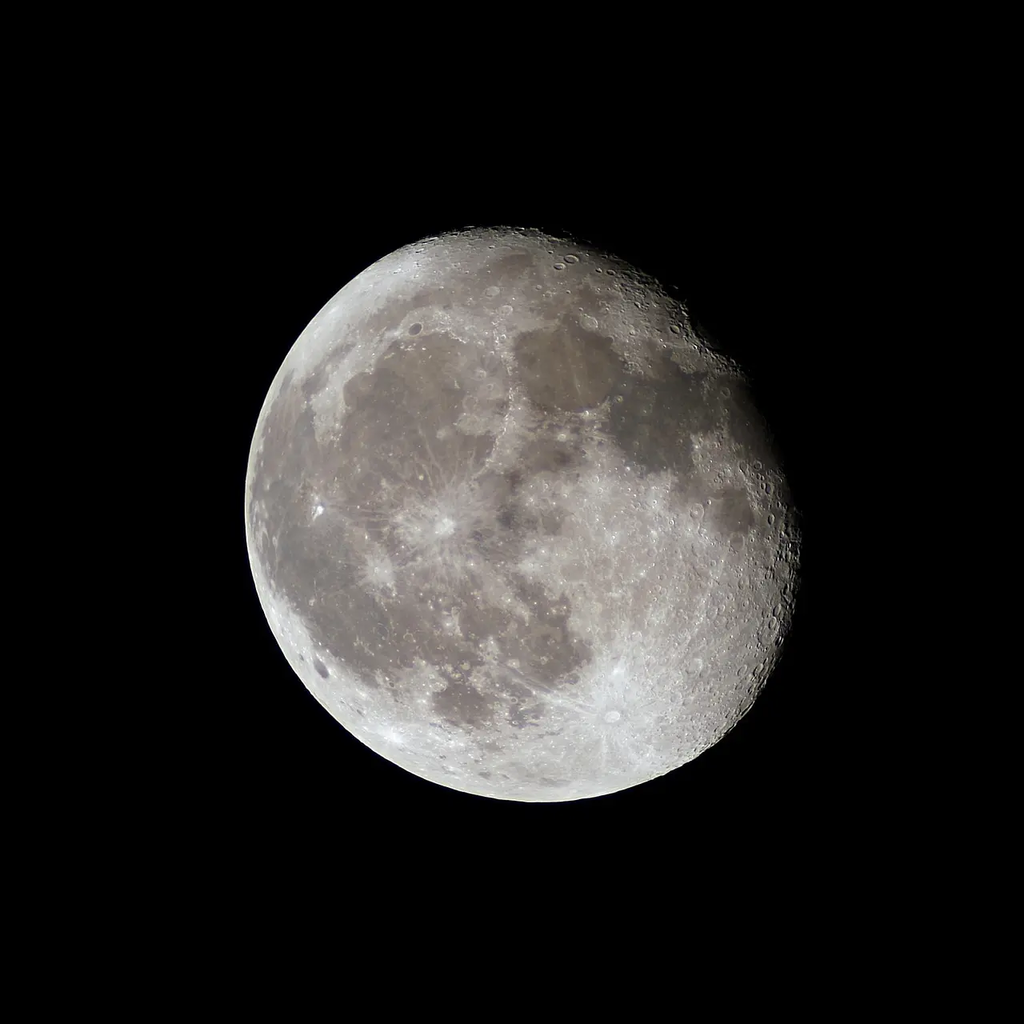
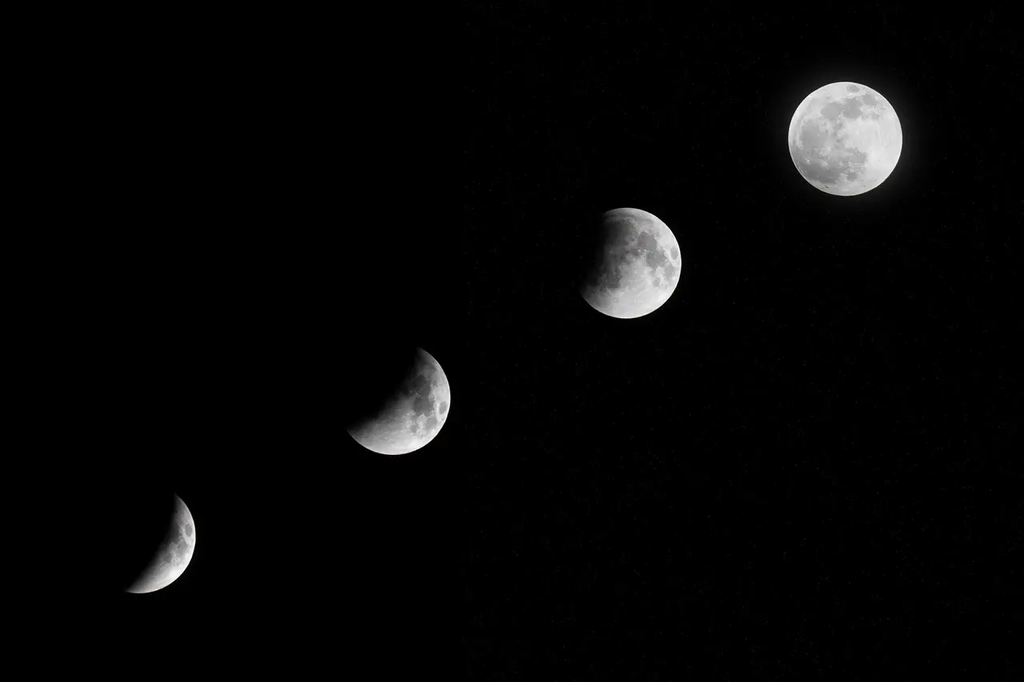
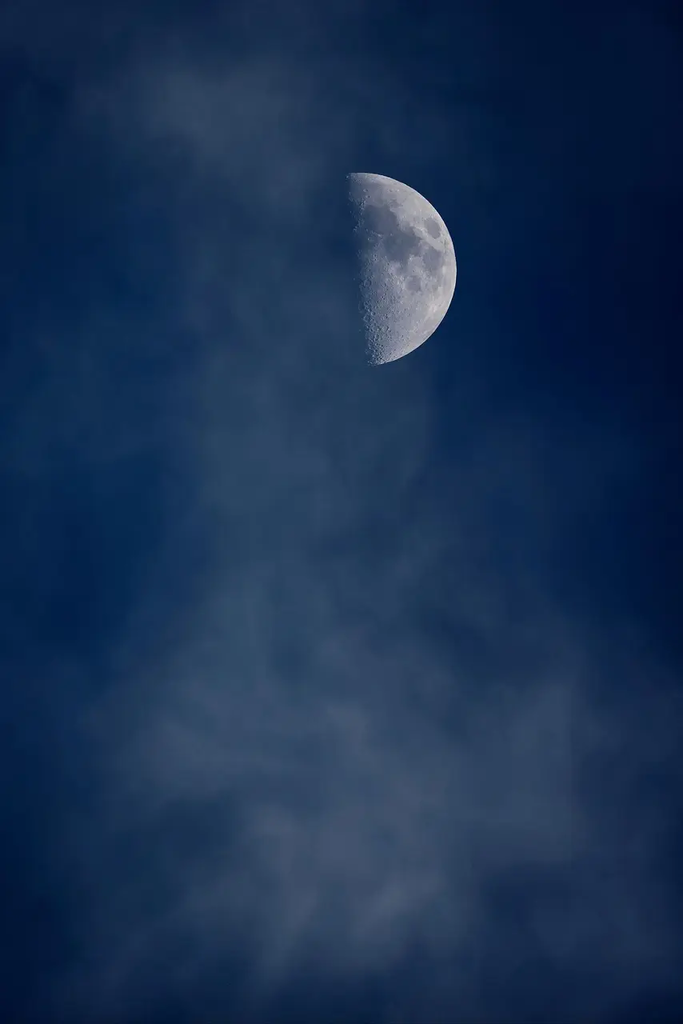
The Moon plays a significant role in astrobiology by influencing Earth's stability, climate, and habitability. Its gravitational pull moderates Earth's axial tilt, leading to stable seasons, which are crucial for life. The Moon’s tidal forces also foster nutrient mixing in oceans, supporting biodiversity. Studying the Moon’s geology and history provides insights into planetary evolution and the conditions necessary for life, both on Earth and potentially on other celestial bodies.
Moon's Role in Astrobiology
The Moon plays a significant role in astrobiology by influencing Earth's stability, climate, and habitability. Its gravitational pull moderates Earth's axial tilt, leading to stable seasons, which are crucial for life. The Moon’s tidal forces also foster nutrient mixing in oceans, supporting biodiversity. Studying the Moon’s geology and history provides insights into planetary evolution and the conditions necessary for life, both on Earth and potentially on other celestial bodies.
💡 Key Takeaways
- Understand how Earth's Moon helps stabilize climate and drive tides, factors that influence life's sustainability.
- Learn how lunar geology and the impact record inform our view of early planetary environments and habitability.
- Explore how tidal heating and subsurface oceans on moons illustrate potential habitats beyond Earth.
- See how studying the Moon supports astrobiology research and future life-detection missions, including contamination control.
❓ Frequently Asked Questions
How does Earth's Moon influence climate stability and habitability?
The Moon helps stabilize Earth's axial tilt, moderating long-term climate and seasons; its tides drive ocean circulation and nutrient cycling, affecting coastal habitability.
Why are lunar impacts relevant to astrobiology?
Impact events delivered water and organic compounds to early Earth and may have created transient habitats; studying lunar impact history helps us understand volatile delivery and life's potential on other worlds.
Do lunar tides matter for life on Earth?
Yes. Tides mix nutrients, support coastal ecosystems, and influence habitats and evolutionary pressures in tidal zones.
What can studying the Moon teach us about habitability on other worlds?
By examining how the Moon’s history affects planetary environments—such as climate stability and volatile delivery—we gain insights into factors that influence habitability on other planets and moons.