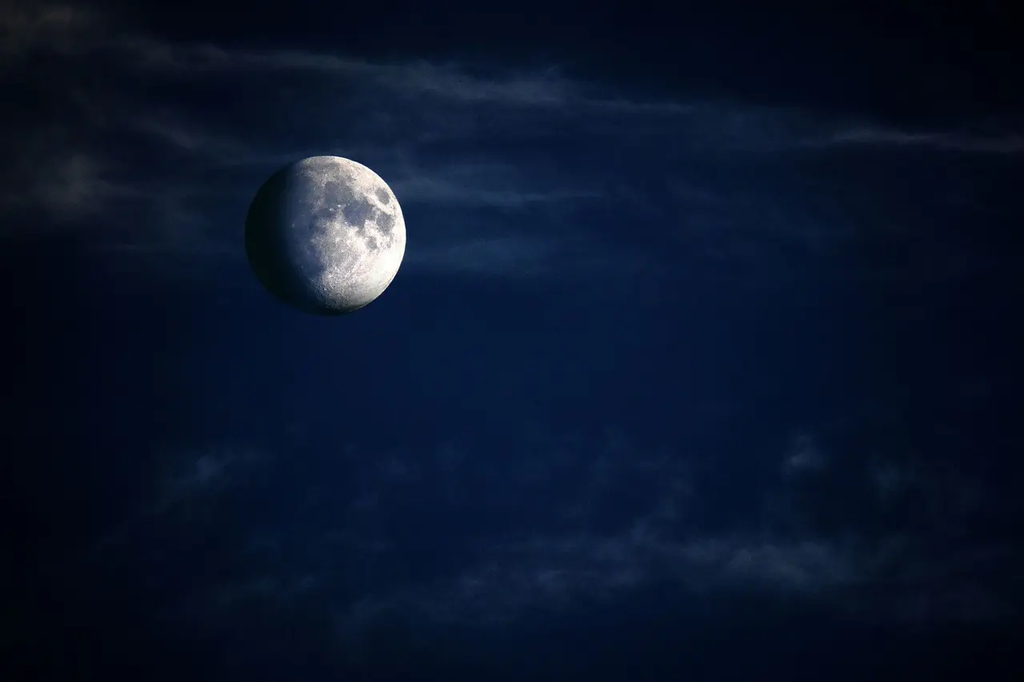
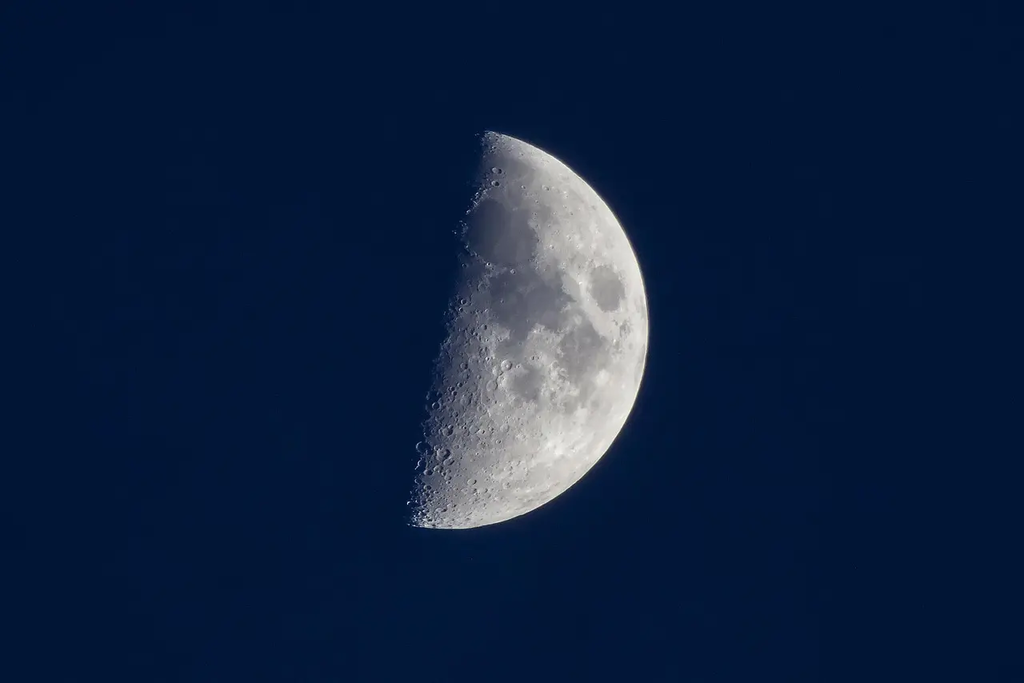
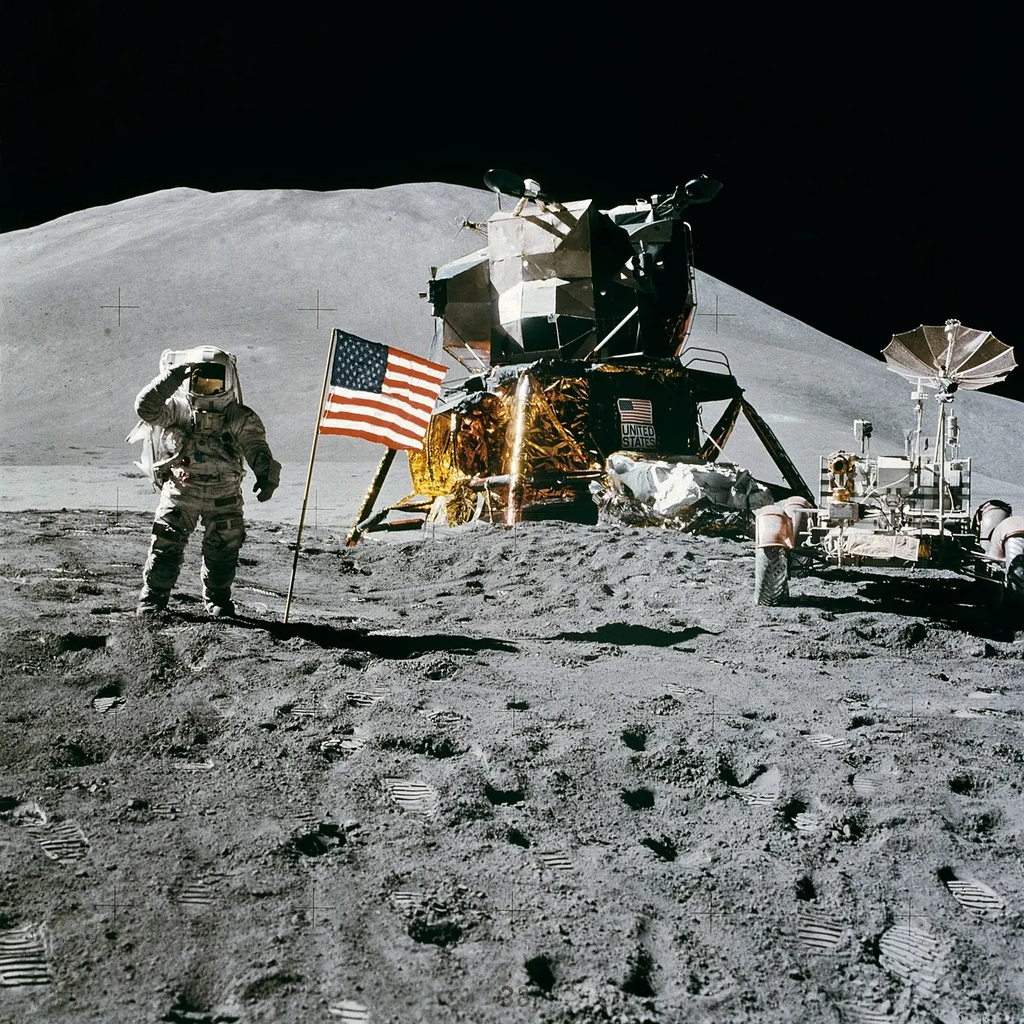
The Moon plays a crucial role in the study of cosmic phenomena by serving as a stable observational platform free from Earth's atmospheric interference. Its surface preserves records of ancient cosmic events, such as asteroid impacts and solar wind interactions, offering insight into the history of our solar system. Additionally, the Moon’s unique environment enables astronomers to conduct experiments and observations that deepen our understanding of space, cosmic radiation, and planetary evolution.
Moon's Role in Cosmic Phenomena Study
The Moon plays a crucial role in the study of cosmic phenomena by serving as a stable observational platform free from Earth's atmospheric interference. Its surface preserves records of ancient cosmic events, such as asteroid impacts and solar wind interactions, offering insight into the history of our solar system. Additionally, the Moon’s unique environment enables astronomers to conduct experiments and observations that deepen our understanding of space, cosmic radiation, and planetary evolution.
💡 Key Takeaways
- Understand how the Moon's gravity and orbital dynamics influence models of gravitational interactions in cosmic phenomena
- Explore how the Moon's cratering history helps date planetary surfaces and study impact processes across the solar system
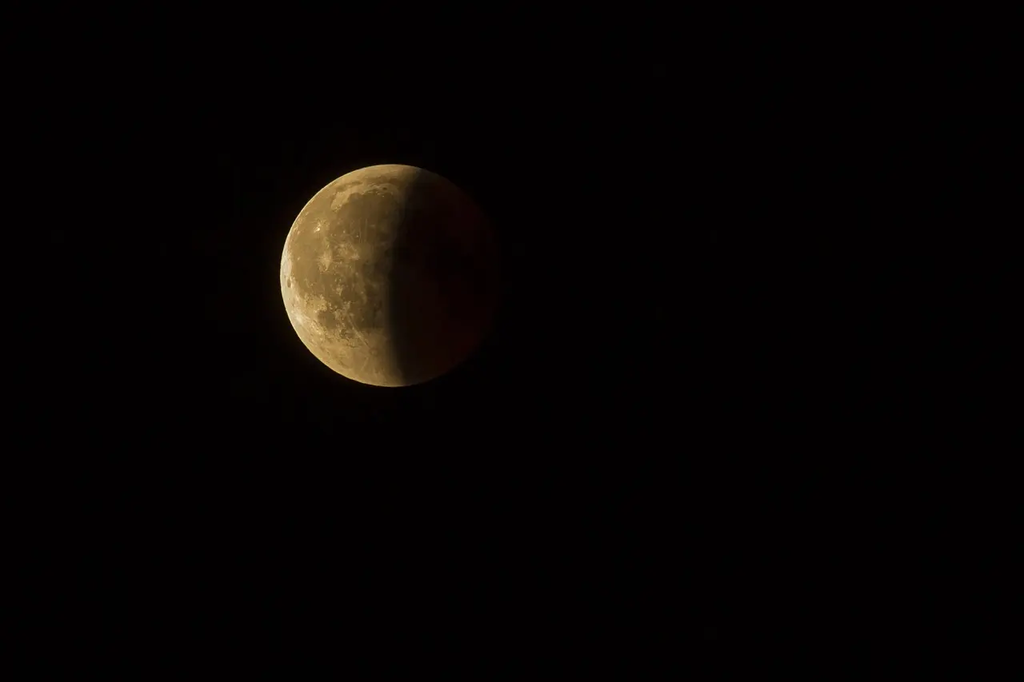
- Learn how lunar events like eclipses and occultations are used to test astronomical techniques and calibrate instruments for studying distant cosmic phenomena
- Discover how Moon missions provide data and technology demonstrations that inform studies of cosmic phenomena beyond Earth
❓ Frequently Asked Questions
What is the Moon's role in enabling quiet observations for space-based radio astronomy?
The Moon's far side is shielded from Earth's radio emissions, creating a radio-quiet zone ideal for low-frequency telescopes and detecting faint cosmic signals.
How does the Moon help scientists study cosmic radiation and space weather?
Lunar missions measure radiation levels and the space environment in a relatively pristine setting, helping calibrate detectors and improve models of cosmic rays and solar particles.
What can Lunar Laser Ranging tell us about fundamental physics?
Laser ranging to Moon-based retroreflectors tests general relativity, the equivalence principle, and possible variations in the gravitational constant over time.
Why are lunar studies valuable for understanding impact history and solar system formation?
Moon rocks and crater records reveal the history of impacts, crust formation, and early Solar System conditions, informing models of planetary evolution.