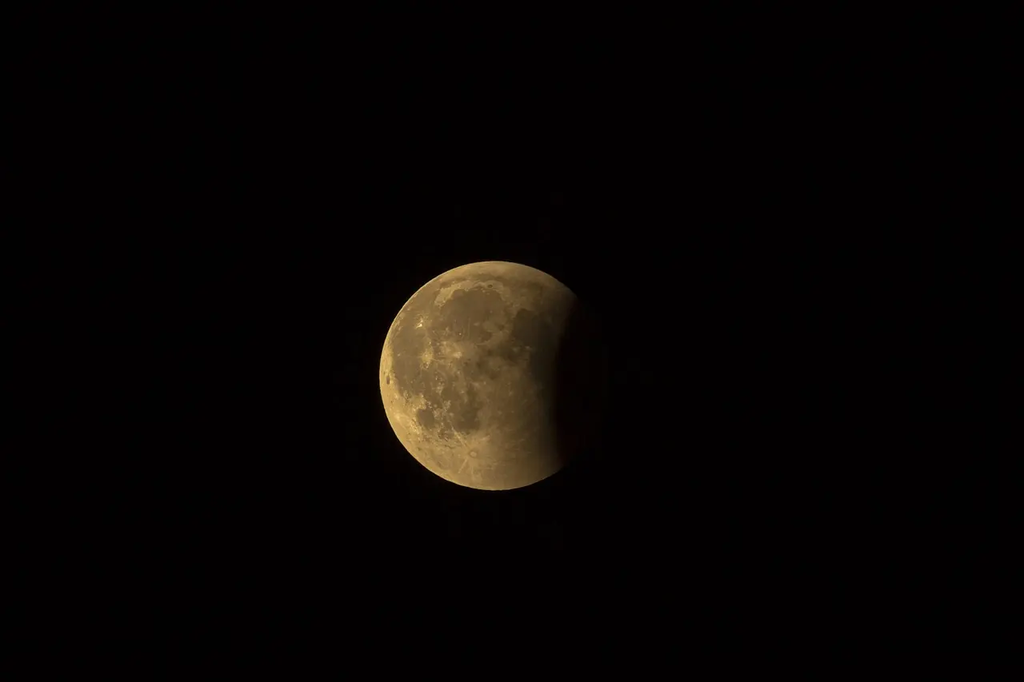
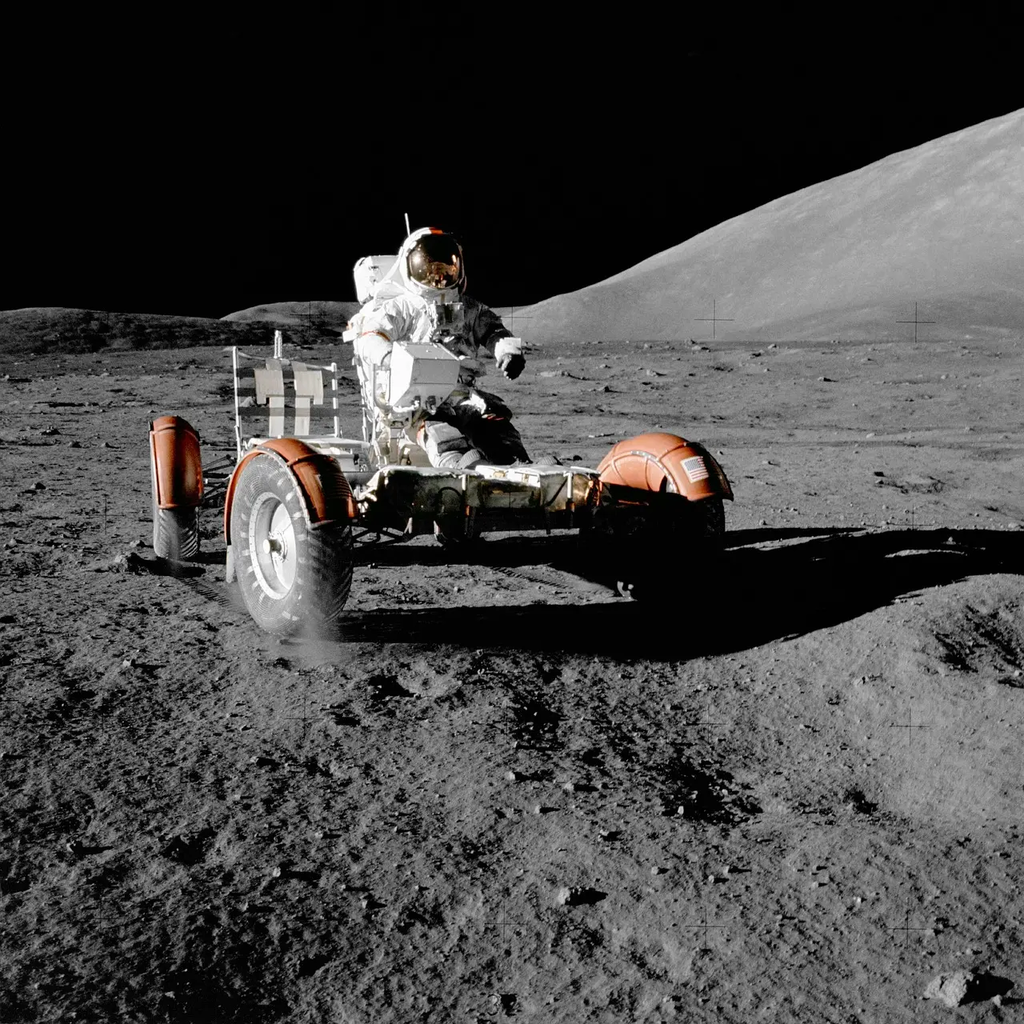
The Moon has played a crucial role in humanity’s cosmic understanding by serving as a reference point for early astronomical observations and calendars. Its phases helped ancient civilizations track time, while its predictable movements inspired scientific inquiry into celestial mechanics. The Moon’s surface exploration provided insights into the solar system’s history, and its proximity continues to make it a key target for studying planetary formation and the broader dynamics of space.
Moon's Role in Cosmic Understanding
The Moon has played a crucial role in humanity’s cosmic understanding by serving as a reference point for early astronomical observations and calendars. Its phases helped ancient civilizations track time, while its predictable movements inspired scientific inquiry into celestial mechanics. The Moon’s surface exploration provided insights into the solar system’s history, and its proximity continues to make it a key target for studying planetary formation and the broader dynamics of space.

💡 Key Takeaways
- Understand how the Moon informs theories about the Earth–Moon system's formation and evolution.
- Learn what lunar rocks and craters reveal about the solar system's early history.
- Explore how lunar missions and techniques (like laser ranging) improve age dating and orbital dynamics.
- Recognize the Moon's role in advancing astronomical methods and space exploration.
❓ Frequently Asked Questions
What is the Moon's role in Earth's tides?
The Moon's gravity pulls on Earth's oceans, creating tides. As the Moon orbits, the gravitational pull causes bulges on the near and far sides, producing high and low tides. The Sun also affects tides, modulating their strength.
How do lunar phases help scientists understand the Moon's orbit?
The changing illumination shows the Sun–Earth–Moon geometry and the Moon's orbital period (~29.5 days). Observing phases reveals the Moon's position relative to the Sun.
What do lunar eclipses teach us about celestial mechanics?
Lunar eclipses illustrate the Sun–Earth–Moon alignment and that the Moon orbits within a nearly flat plane. The eclipse timing and shadow color help test orbital models and atmospheric effects.
How have Moon rocks advanced our understanding of the solar system?
Lunar rocks allow radiometric dating to determine ages, reveal early volcanic activity, and support theories about the Moon's origin, refining our view of the early solar system.