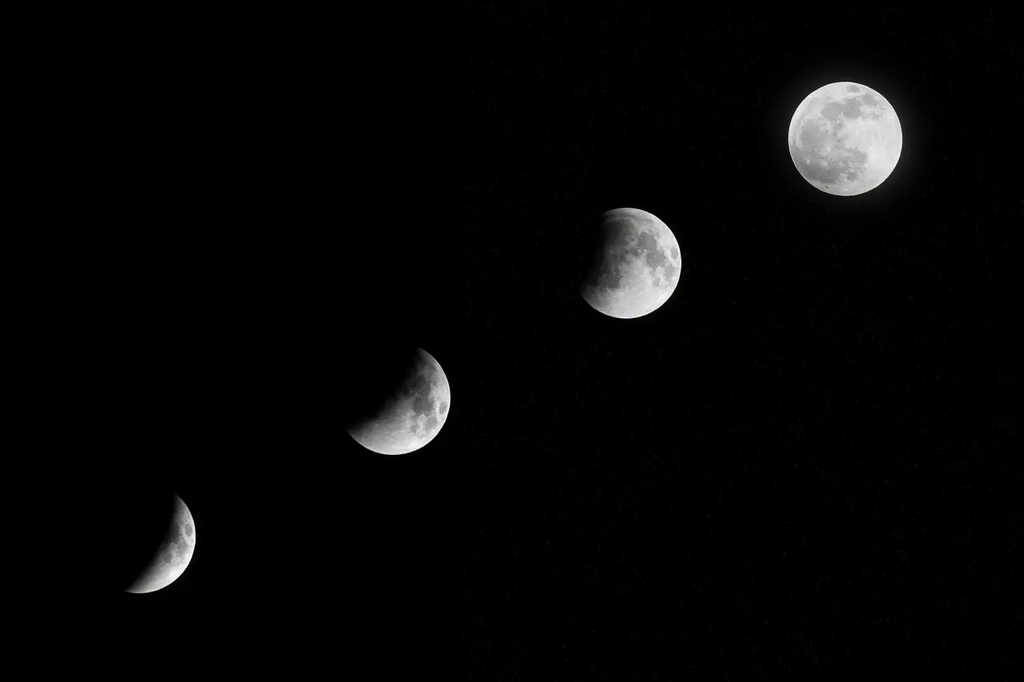
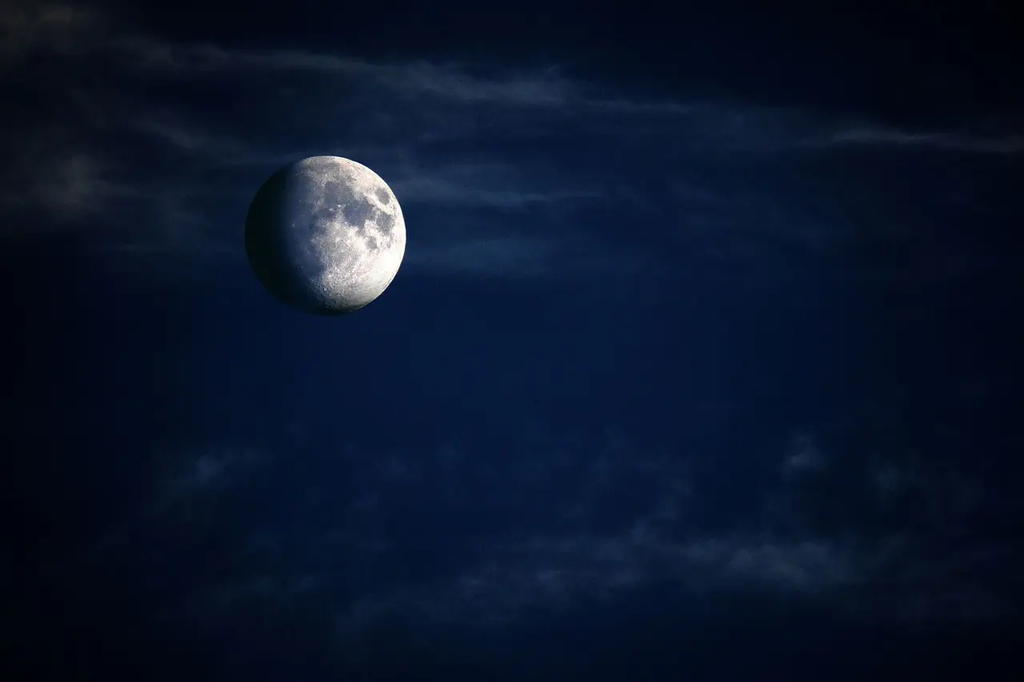
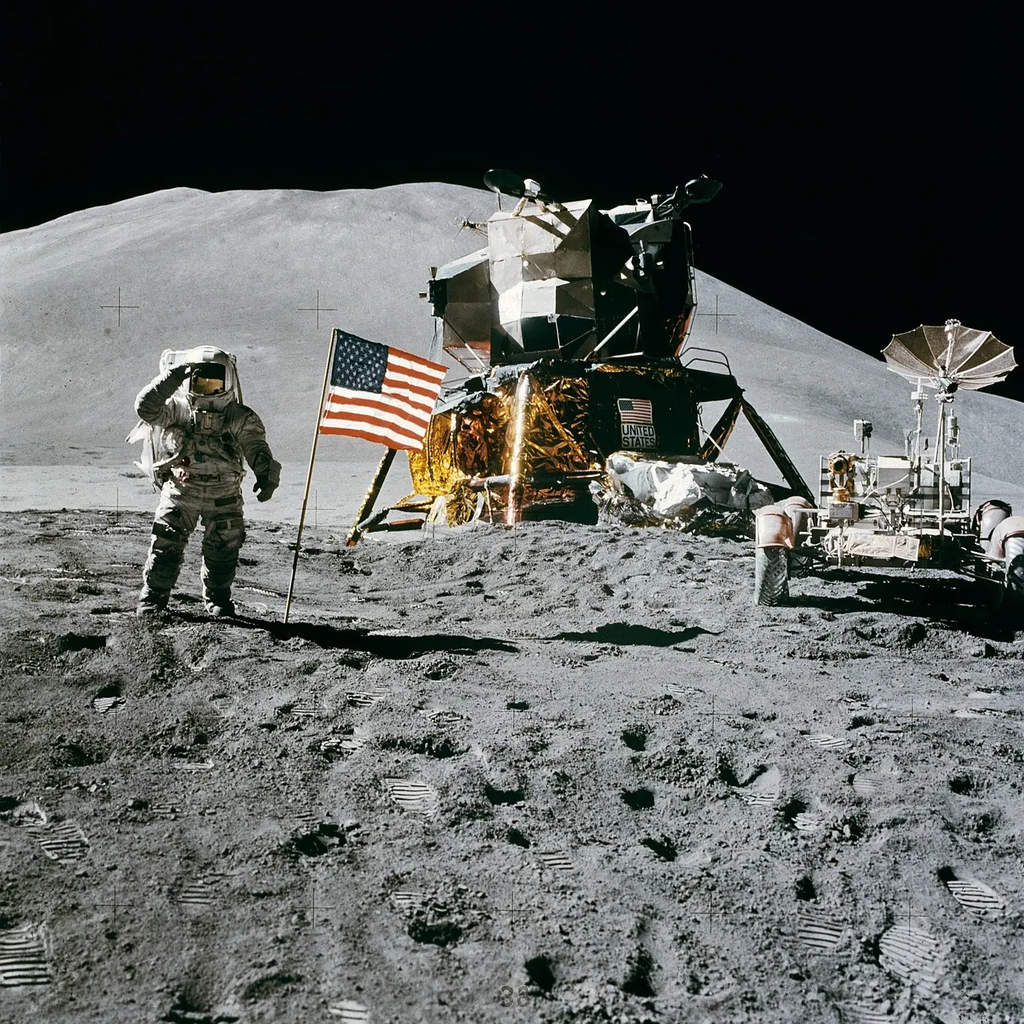
The Moon plays a crucial role in sustaining Earth's biodiversity by stabilizing the planet's axial tilt, which helps maintain a relatively stable climate. Its gravitational pull drives ocean tides, creating diverse coastal habitats essential for many species. These tidal patterns influence reproductive cycles, migration, and nutrient distribution in marine ecosystems. Without the Moon, Earth's environmental conditions would be more extreme and less predictable, potentially threatening the variety and survival of life forms.
Moon's Role in Earth's Biodiversity
The Moon plays a crucial role in sustaining Earth's biodiversity by stabilizing the planet's axial tilt, which helps maintain a relatively stable climate. Its gravitational pull drives ocean tides, creating diverse coastal habitats essential for many species. These tidal patterns influence reproductive cycles, migration, and nutrient distribution in marine ecosystems. Without the Moon, Earth's environmental conditions would be more extreme and less predictable, potentially threatening the variety and survival of life forms.
💡 Key Takeaways
- Understand how the Moon drives tides and shapes coastal biodiversity.
- Learn how lunar phases influence animal behavior, reproduction, and migration.
- Discover species that use lunar cues for spawning, nesting, or foraging.
- Explore how lunar effects inform biodiversity conservation and ecosystem management.
❓ Frequently Asked Questions
How does the Moon affect tides and coastal biodiversity?
The Moon’s gravity drives ocean tides, creating regular high and low tides that shape coastal habitats such as intertidal zones, estuaries, and coral reefs. These cycles influence nutrient delivery, habitat availability, and life cycles of many species.
How does the Moon help stabilize Earth's climate and biodiversity?
The Moon helps stabilize Earth’s axial tilt, moderating long-term climate variation. This steadier climate supports diverse biomes and provides more predictable environments for species to adapt and evolve.
Do organisms time their reproduction to the Moon?
Yes. Many marine species synchronize spawning and reproduction with lunar phases and tides to maximize fertilization and survival, using light and water movement as cues.
How does moonlight influence animal behavior and ecosystems?
Moonlight can alter nocturnal activity, foraging, and movement in many species, affecting predator–prey interactions and pollination. Some species are more active on bright nights, while others reduce activity to avoid predators.