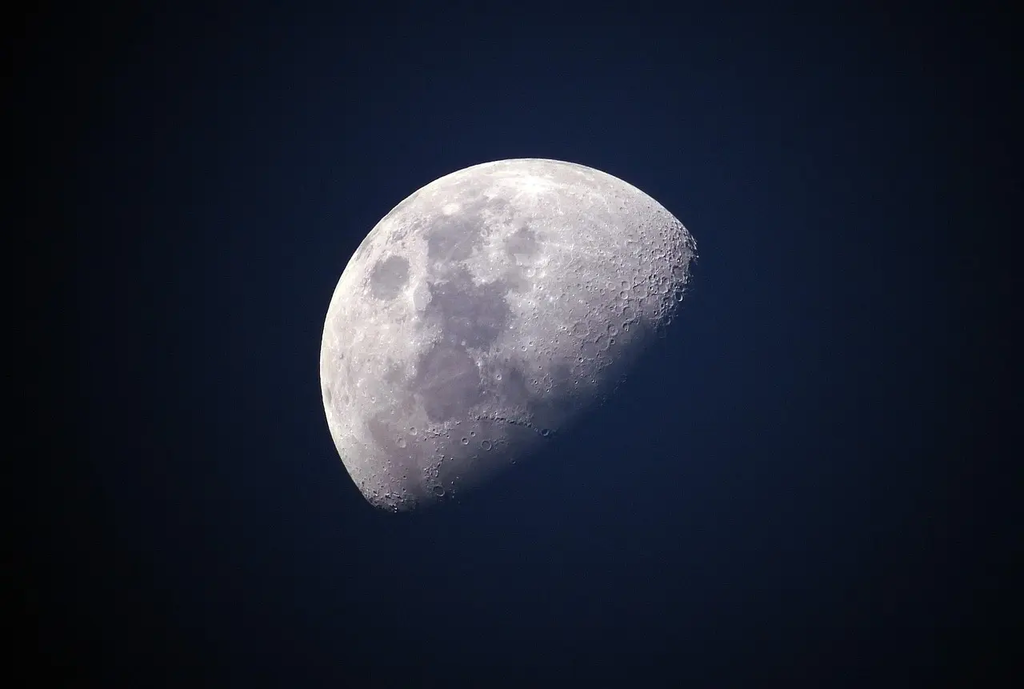
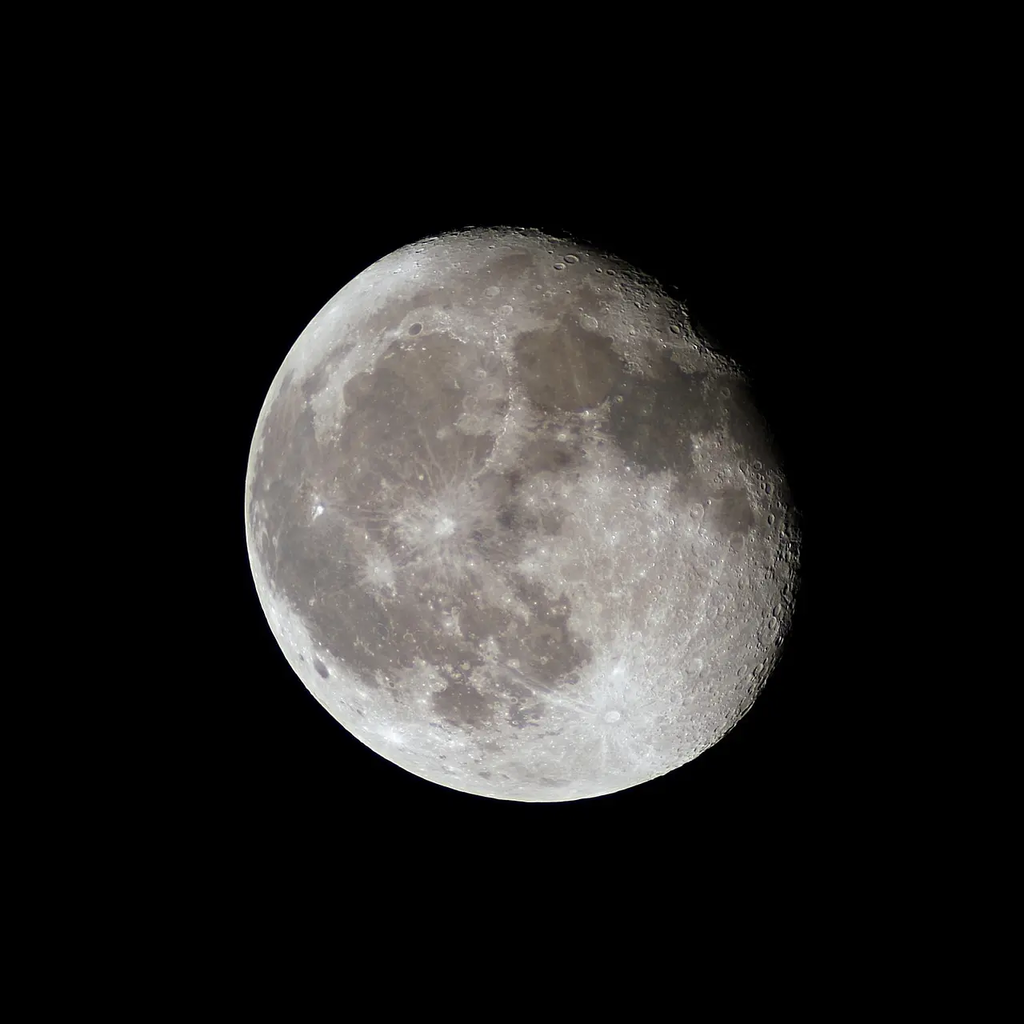
The Moon has played a crucial role in Earth's evolution by stabilizing the planet's axial tilt, which helps regulate climate and seasons. Its gravitational pull causes tides, influencing ocean circulation and marine life. The Moon’s presence also slowed Earth’s rotation, leading to longer days over time. Additionally, early impacts between the Moon and Earth may have contributed to the development of Earth's atmosphere and conditions suitable for life.
Moon's Role in Earth's Evolution
The Moon has played a crucial role in Earth's evolution by stabilizing the planet's axial tilt, which helps regulate climate and seasons. Its gravitational pull causes tides, influencing ocean circulation and marine life. The Moon’s presence also slowed Earth’s rotation, leading to longer days over time. Additionally, early impacts between the Moon and Earth may have contributed to the development of Earth's atmosphere and conditions suitable for life.
💡 Key Takeaways
- Understand how the Moon’s formation set Earth’s rotation and angular momentum in motion.
- Explore how lunar tides shape oceans, coastlines, and nutrient cycles that influence evolution.
- Learn how the Moon stabilizes Earth’s axial tilt to support long-term climate stability and seasons.
- Discuss how lunar dynamics and day-length changes have impacted the evolution of life on Earth.
❓ Frequently Asked Questions
What is the leading explanation for how the Moon formed and why does it matter for Earth's evolution?
The Giant-Impact Hypothesis: a Mars-sized body collided with early Earth, ejecting debris that formed the Moon. This set Earth's initial spin and angular momentum, influencing its subsequent evolution.
How does the Moon influence Earth's tilt and seasons?
The Moon's gravity helps stabilize Earth's axial tilt around 23.5°, reducing extreme variations and helping maintain a fairly regular seasonal cycle over long timescales.
What role do tides play in Earth's history?
Moon-driven tides drive ocean mixing and coastal ecology, and tidal friction gradually slows Earth's rotation, lengthening the day over geological time.
What kinds of evidence link the Moon to Earth's evolution?
Isotopic similarities between Earth and Moon rocks, the combined Earth–Moon angular momentum, and computer simulations of the giant-impact scenario support the Moon's key influence on Earth's formation and climate.