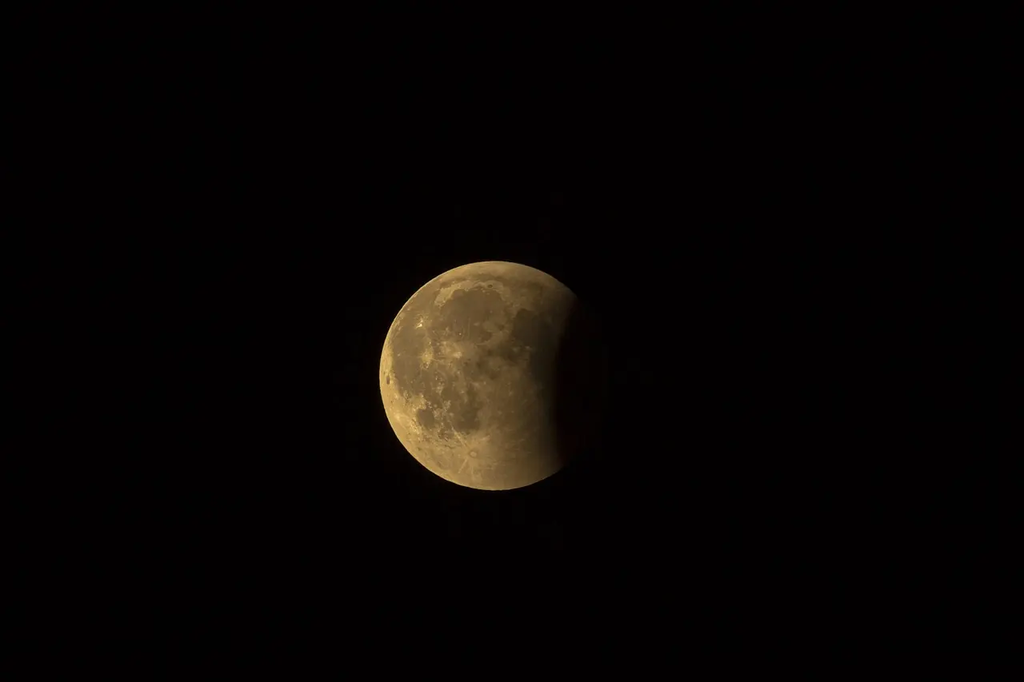
The Moon has played a crucial role in shaping Earth's geological history. Its gravitational pull stabilizes Earth's axial tilt, moderating climate and seasons. The tides, driven by lunar gravity, have influenced oceanic and coastal processes, aiding in the development of life. Early in Earth's history, a giant impact with a Mars-sized body likely formed the Moon, altering Earth's rotation and contributing to the planet's geological and atmospheric evolution over billions of years.
Moon's Role in Earth's Geological History
The Moon has played a crucial role in shaping Earth's geological history. Its gravitational pull stabilizes Earth's axial tilt, moderating climate and seasons. The tides, driven by lunar gravity, have influenced oceanic and coastal processes, aiding in the development of life. Early in Earth's history, a giant impact with a Mars-sized body likely formed the Moon, altering Earth's rotation and contributing to the planet's geological and atmospheric evolution over billions of years.
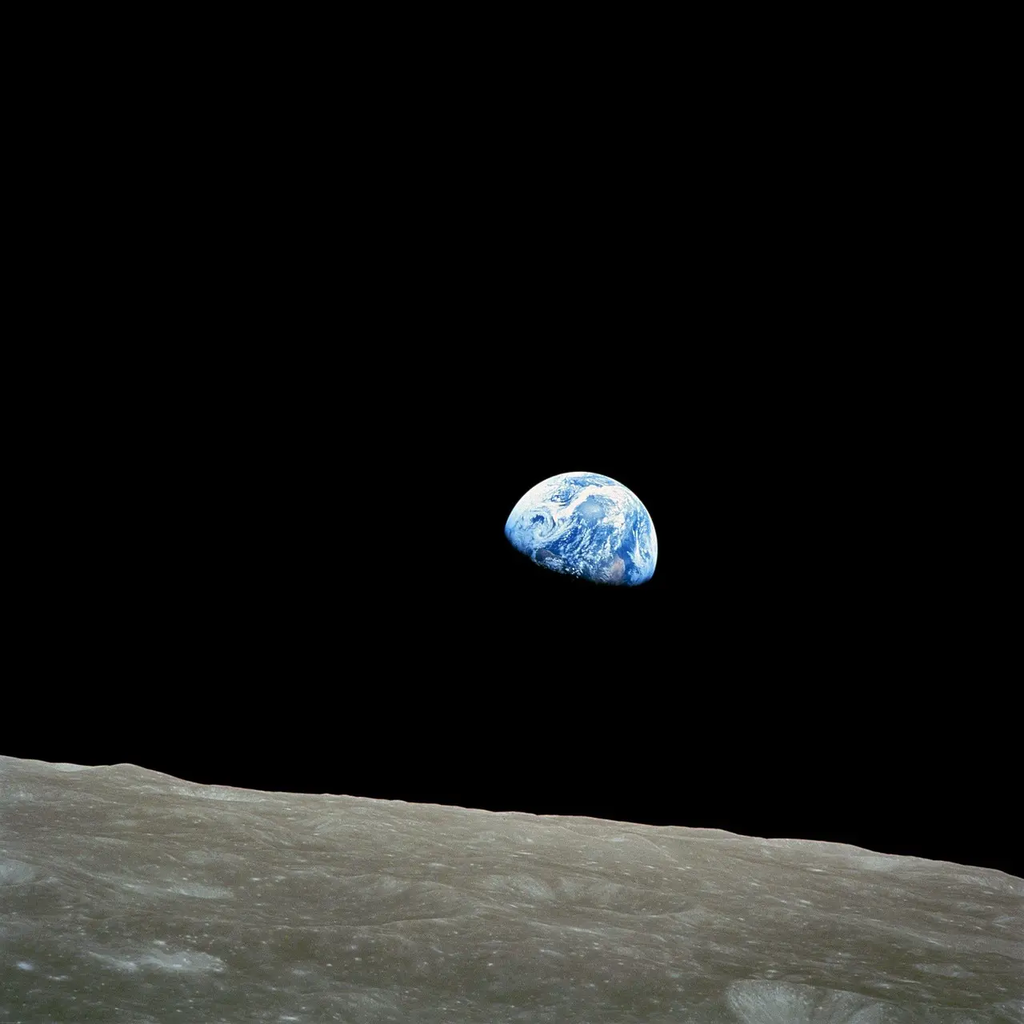
💡 Key Takeaways
- Understand how the Moon formed and why the giant impact shaped Earth's early geology
- Learn how tidal forces from the Moon shape coastlines, tides, and sediment transport
- Explore how the Moon stabilizes Earth's axial tilt, influencing long-term climate and geological records
- See how lunar impacts contribute to Earth's crater history and help date geological surfaces
❓ Frequently Asked Questions
What is the Moon's most direct influence on Earth's geology?
The Moon's gravity creates tides that drive coastal erosion, sediment transport, and tidal deposits found in rocks.
How has the Moon affected Earth's day length?
Tidal friction transfers rotational energy to the Moon, gradually slowing Earth's spin and lengthening the day over geological time.
How does the Moon help stabilize Earth's tilt, and why does that matter geologically?
The Moon helps stabilize Earth's axial tilt, reducing extreme climate shifts that influence long-term sedimentation, ice ages, and landform development.
What does the Moon's origin tell us about Earth's early geology?
The leading giant-impact theory links the Moon's formation to a formative collision that heated Earth; lunar rocks provide clues about early Solar System conditions and early geology.