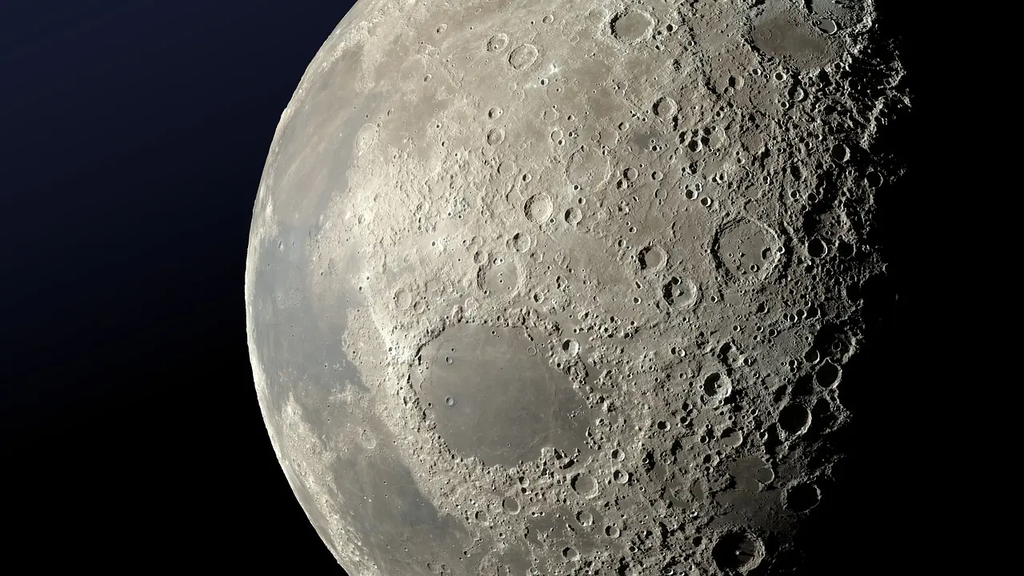
The Moon itself does not generate Earth’s magnetic field, which originates from the movement of molten iron in Earth’s outer core. However, the Moon’s gravitational pull stabilizes Earth’s axial tilt, indirectly supporting the long-term stability of the magnetic field. This stabilization helps maintain Earth’s climate and, consequently, conditions that allow the geodynamo to function effectively, ensuring the persistence of our protective magnetic field over geological time.
Moon's Role in Earth's Magnetic Field
The Moon itself does not generate Earth’s magnetic field, which originates from the movement of molten iron in Earth’s outer core. However, the Moon’s gravitational pull stabilizes Earth’s axial tilt, indirectly supporting the long-term stability of the magnetic field. This stabilization helps maintain Earth’s climate and, consequently, conditions that allow the geodynamo to function effectively, ensuring the persistence of our protective magnetic field over geological time.
💡 Key Takeaways
- Explain how Earth's magnetic field is generated by the geodynamo and the potential influence of lunar tides on core dynamics.
- Recognize that the Moon lacks a global magnetic field today but has crustal magnetic anomalies from past magnetization.
- Learn how scientists measure Earth's magnetic field with satellites and magnetometers and study Moon–Earth magnetic interactions.
- Explore current ideas on whether lunar tides could modulate the geodynamo and affect the magnetic field over long timescales.
❓ Frequently Asked Questions
What generates Earth's magnetic field?
The geodynamo: convection of liquid iron in the outer core creates electric currents that sustain Earth's magnetic field.
Does the Moon have its own global magnetic field today?
No. The Moon does not have a planet-scale magnetic field now, though some rocks preserve evidence of ancient localized magnetism.
Can the Moon affect Earth's magnetic field?
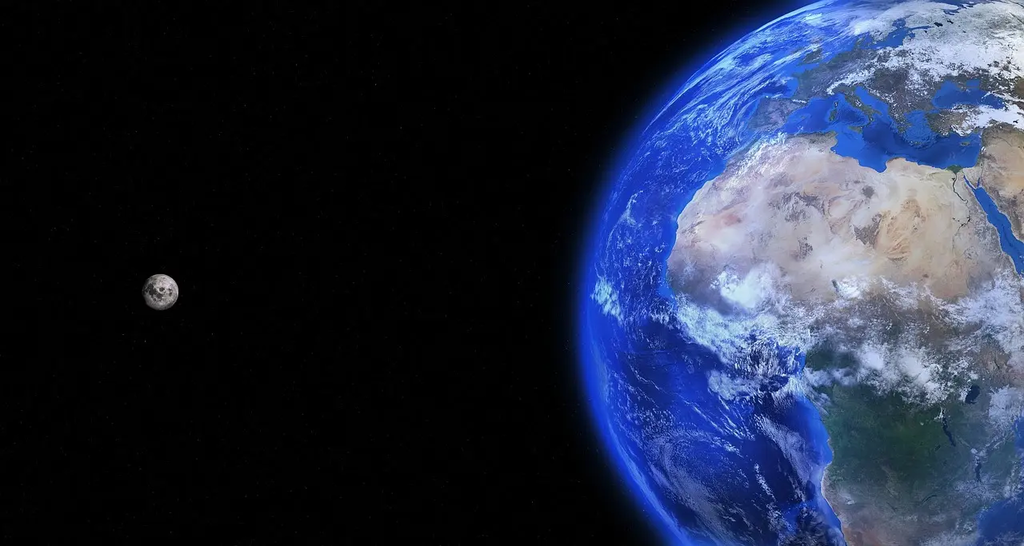
Indirectly. The Moon's gravity drives tides and can subtly influence Earth's rotation and core motions, but its effect is small compared with internal dynamo processes.
What is crustal magnetization on the Moon?
Some Moon rocks are magnetized, recording past magnetic fields. This tells us about the Moon's early history, not Earth's current field.