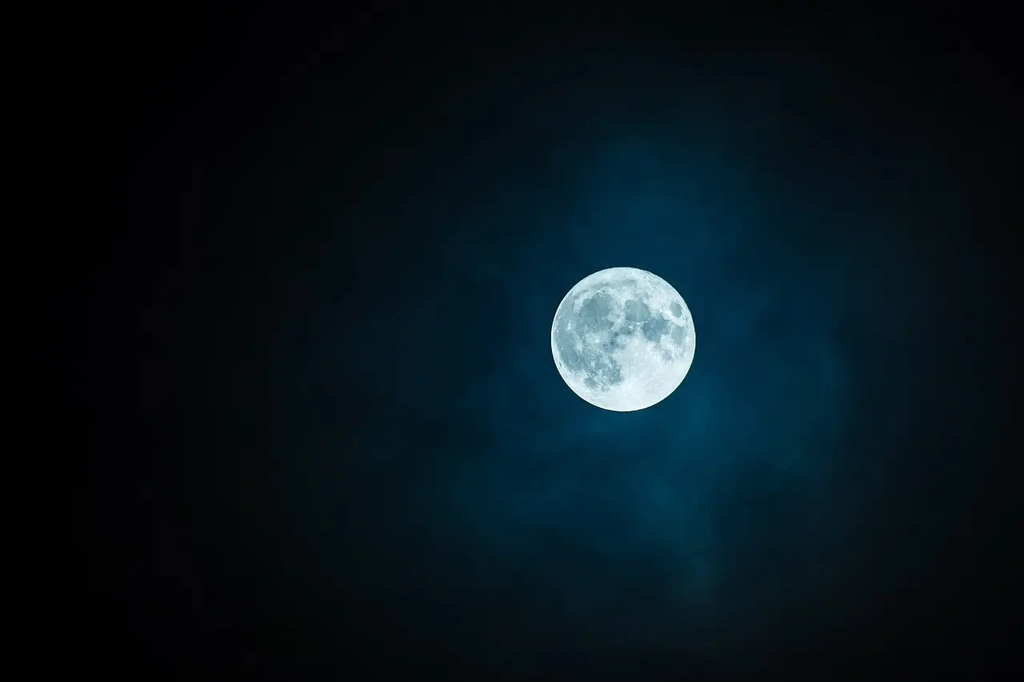
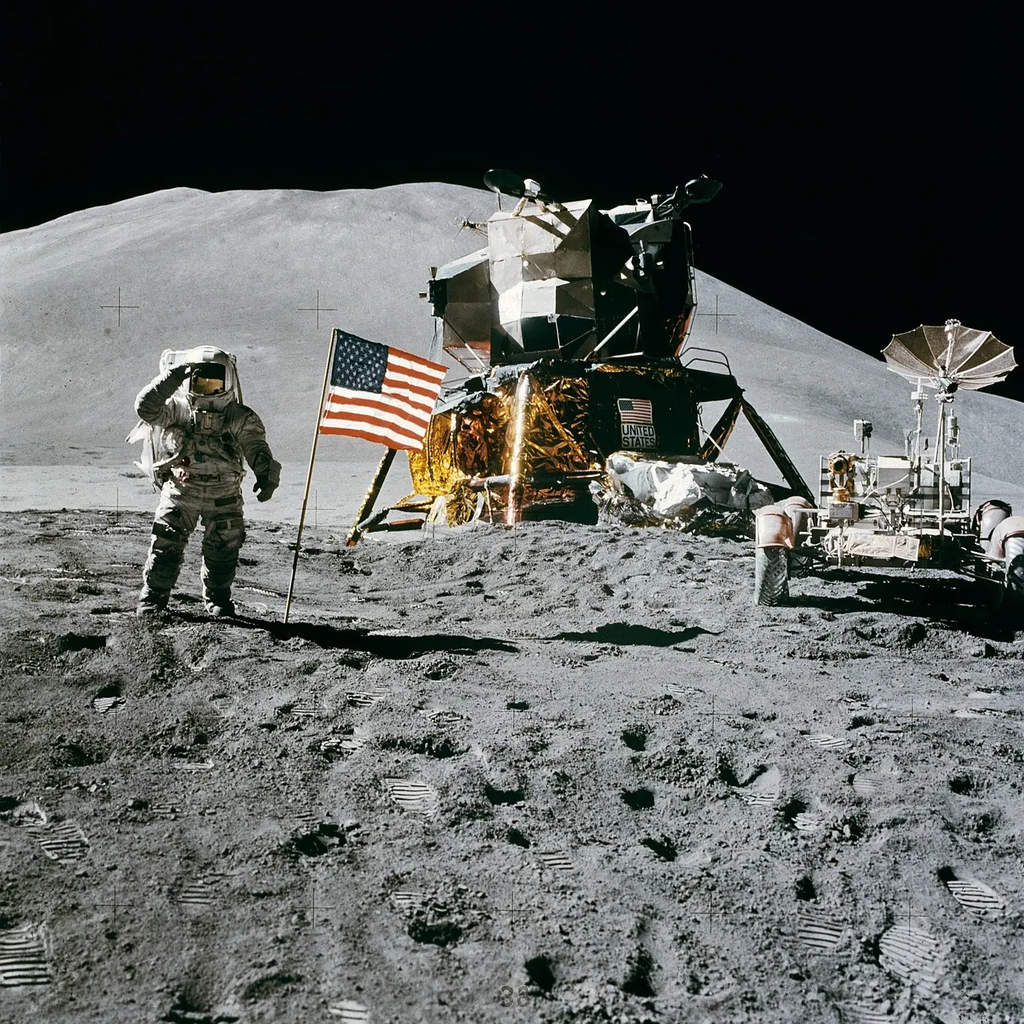
The Moon’s gravitational pull creates tides on Earth, causing the regular rise and fall of ocean water. These tidal movements help drive and regulate ocean currents, redistributing heat, nutrients, and energy across the globe. By influencing ocean circulation patterns, the Moon plays a crucial role in maintaining Earth’s climate stability and supporting marine life. Without the Moon, ocean currents would be weaker and less predictable, impacting ecosystems and weather systems worldwide.
Moon's Role in Earth's Ocean Currents
The Moon’s gravitational pull creates tides on Earth, causing the regular rise and fall of ocean water. These tidal movements help drive and regulate ocean currents, redistributing heat, nutrients, and energy across the globe. By influencing ocean circulation patterns, the Moon plays a crucial role in maintaining Earth’s climate stability and supporting marine life. Without the Moon, ocean currents would be weaker and less predictable, impacting ecosystems and weather systems worldwide.
💡 Key Takeaways
- Explain how the Moon's gravity causes tides and how these tides influence coastal and open-ocean currents.
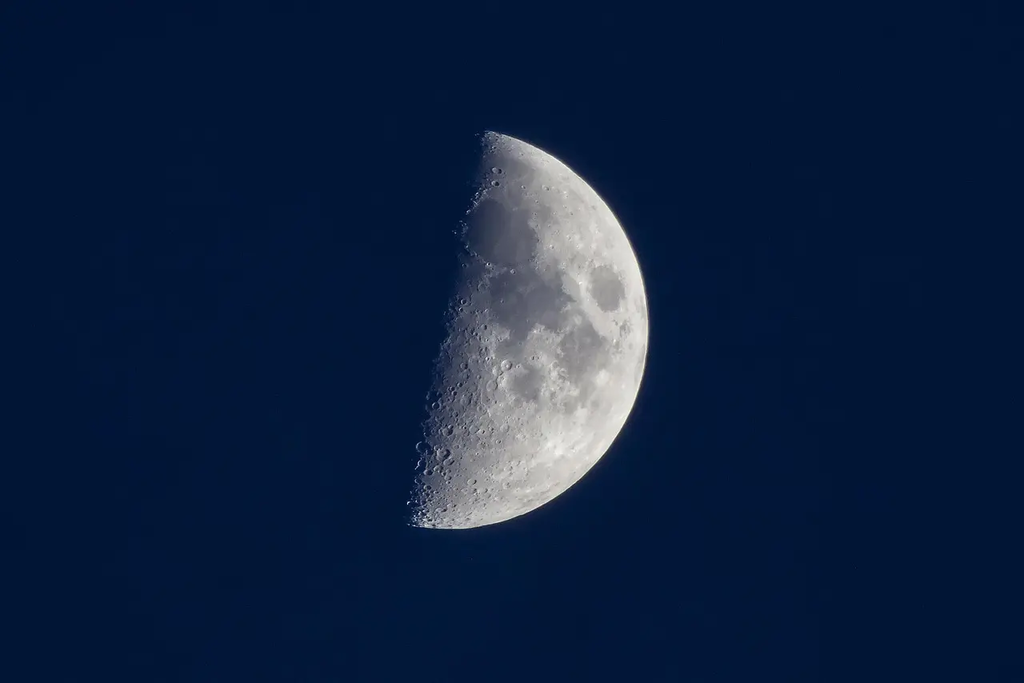
- Describe how tidal strength varies with lunar phase and orbital geometry, affecting current timing and energy input.
- Explain how tides interact with the Earth's rotation (Coriolis force) to shape surface currents and ocean gyres.
- Discuss how lunar-driven circulation contributes to nutrient mixing, heat transport, and ecological/climate effects in the oceans.
❓ Frequently Asked Questions
What is the Moon's main influence on Earth's tides?
The Moon's gravity pulls on the oceans, creating bulges on the side closest to and farthest from the Moon, which causes the regular rise and fall of sea level known as tides.
How do lunar tides affect ocean currents?
Tidal forces generate tidal currents that flow toward and away from coastlines and through channels. They mainly affect coastal and near-surface waters and can drive mixing, but global currents are chiefly driven by wind and density differences.
What are spring tides and neap tides, and when do they occur?
Spring tides are stronger tides that occur during full or new Moon when the Sun, Moon, and Earth align; neap tides are weaker tides during quarter phases when the Sun and Moon are at right angles.
Why do some coastlines experience bigger tides than others?
Tidal height is amplified by coastline geometry, basin resonance, and bathymetry. Narrow shelves, bays, and underwater topography can enhance tides, while wide open coasts may have smaller tides.