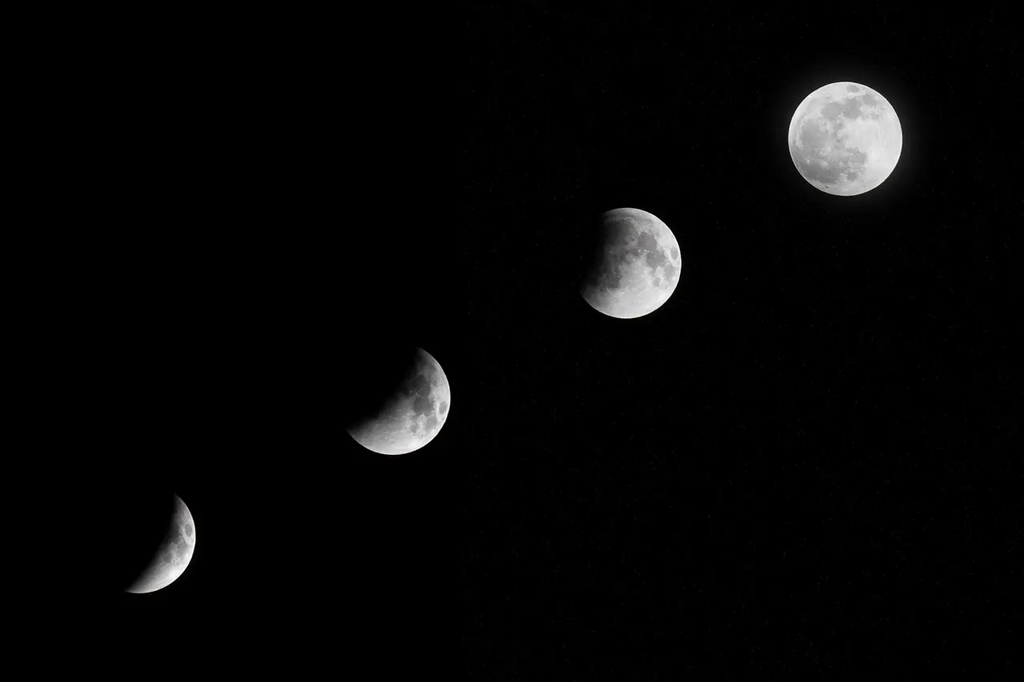
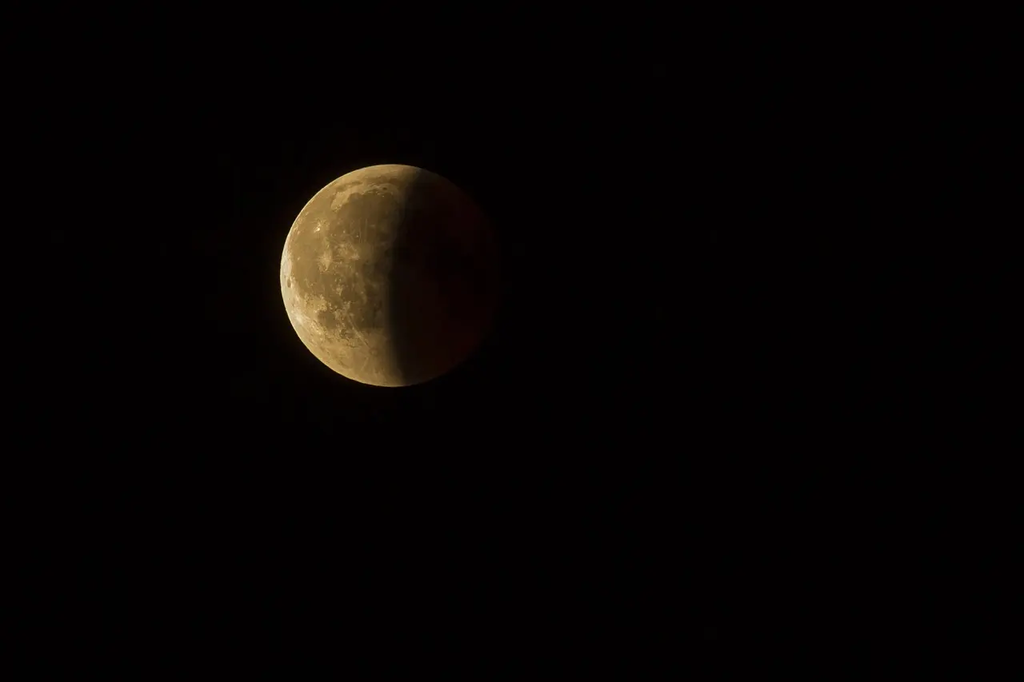
The Moon plays a crucial role in maintaining Earth’s stability by stabilizing the planet’s axial tilt, which helps regulate the climate and seasons. Its gravitational pull creates ocean tides, supporting diverse ecosystems and nutrient cycles. The Moon’s presence also slows Earth’s rotation over time, preventing extreme weather changes. Without the Moon, Earth’s tilt could vary chaotically, leading to drastic shifts in climate and potentially threatening life’s development and sustainability.
Moon's Role in Earth's Stability
The Moon plays a crucial role in maintaining Earth’s stability by stabilizing the planet’s axial tilt, which helps regulate the climate and seasons. Its gravitational pull creates ocean tides, supporting diverse ecosystems and nutrient cycles. The Moon’s presence also slows Earth’s rotation over time, preventing extreme weather changes. Without the Moon, Earth’s tilt could vary chaotically, leading to drastic shifts in climate and potentially threatening life’s development and sustainability.
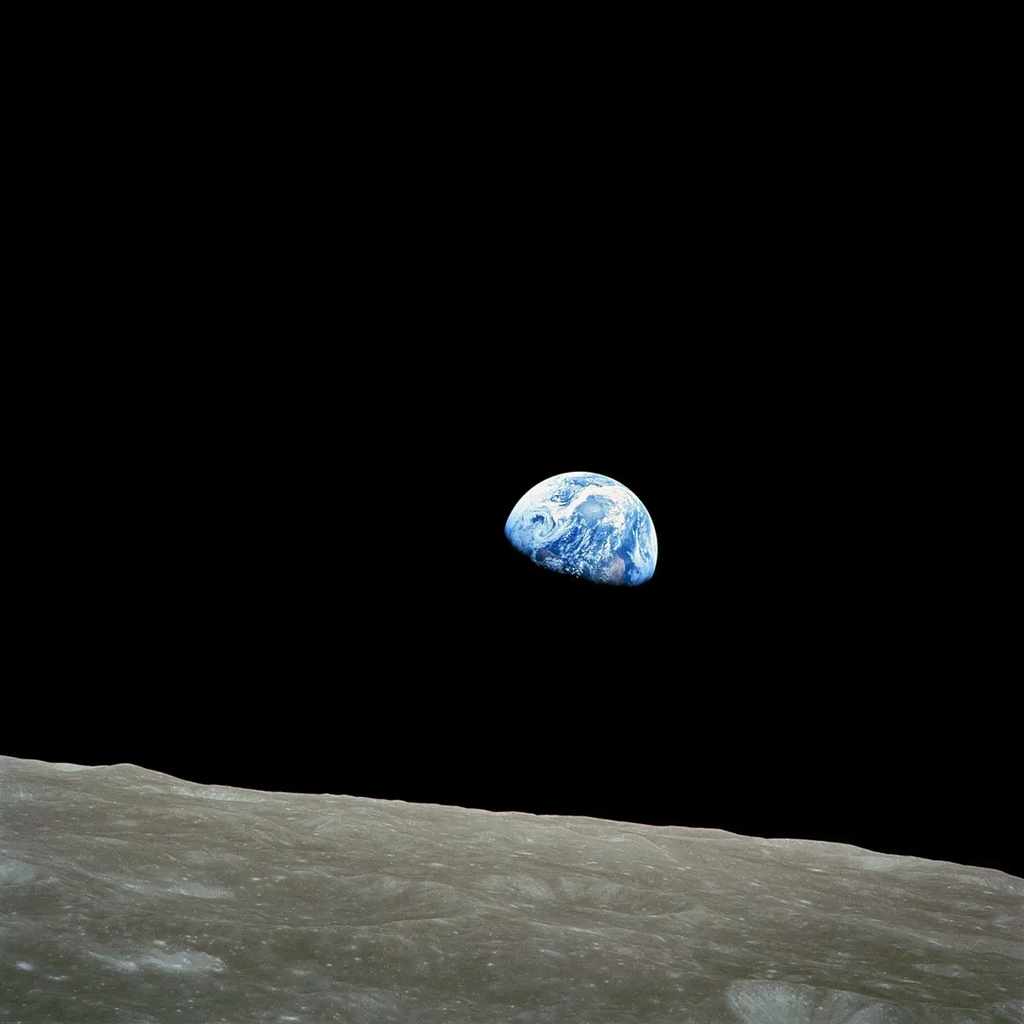
💡 Key Takeaways
- Understand how the Moon's gravity helps stabilize Earth's axial tilt, supporting long-term climate stability and the seasons.
- Learn how tidal forces from the Moon slow Earth's rotation and gradually lengthen the day.
- Explore how the Moon drives ocean tides and influences coastal ecosystems and nutrient cycles.
- Discover how the Moon's gravitational interactions affect Earth's orbital dynamics and climate history.
❓ Frequently Asked Questions
What role does the Moon play in stabilizing Earth's axial tilt?
The Moon's gravity helps keep Earth's tilt around 23.5°, reducing long-term climate swings and extreme seasons.
How does the Moon influence Earth's tides?
The Moon's gravity pulls on Earth's oceans to create tides; the Sun also affects tides, but the Moon is the primary driver.
Why does the Moon affect the length of a day?
Tidal forces transfer some of Earth's rotation energy to the Moon, gradually slowing Earth's spin and lengthening the day over long timescales.
What might happen to Earth's climate without the Moon?
Without the Moon, Earth's axial tilt could vary more chaotically, potentially causing more extreme climates and seasons, and tides would be weaker.