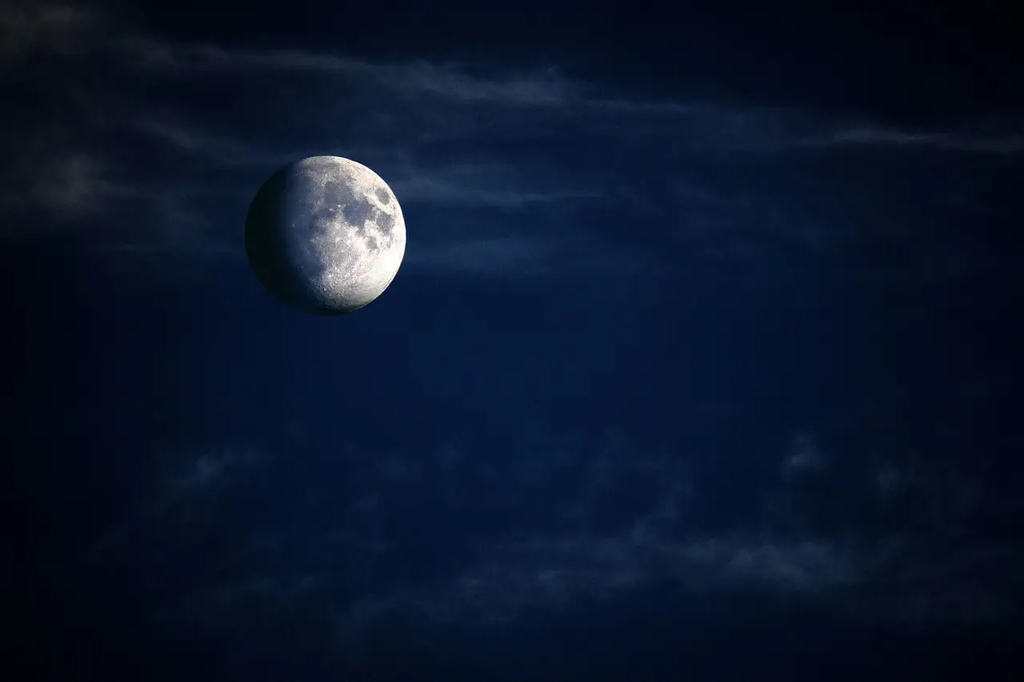
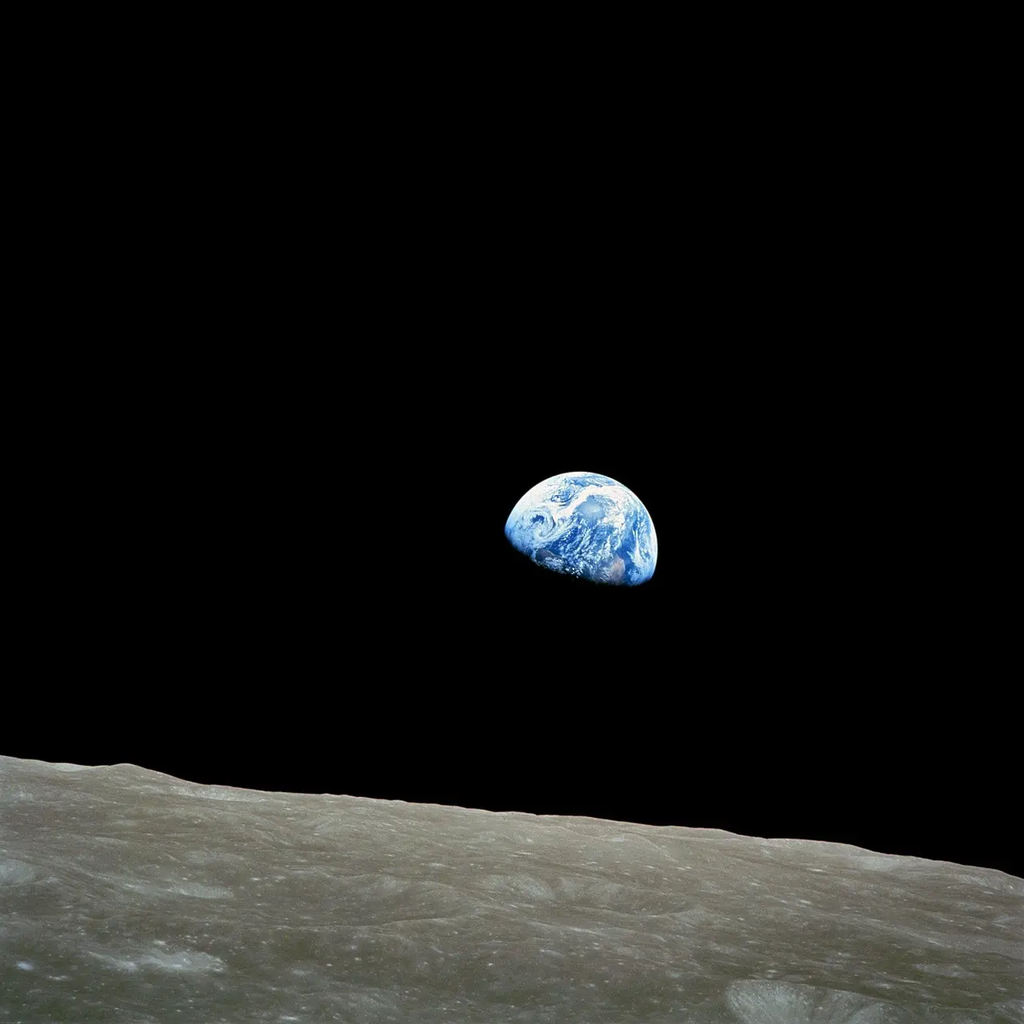
The Moon’s gravitational pull helps stabilize Earth’s axial tilt, which contributes to a relatively stable climate over long periods. This stability indirectly supports tectonic activity by maintaining conditions necessary for plate movement, such as the presence of liquid water and a dynamic mantle. Without the Moon, Earth’s tilt could vary wildly, potentially disrupting tectonic processes and altering the planet’s geological and atmospheric evolution.
Moon's Role in Earth's Tectonic Activity
The Moon’s gravitational pull helps stabilize Earth’s axial tilt, which contributes to a relatively stable climate over long periods. This stability indirectly supports tectonic activity by maintaining conditions necessary for plate movement, such as the presence of liquid water and a dynamic mantle. Without the Moon, Earth’s tilt could vary wildly, potentially disrupting tectonic processes and altering the planet’s geological and atmospheric evolution.
💡 Key Takeaways
- How the Moon's gravity drives ocean tides and induces solid-Earth tides that stress the crust.
- Difference between ocean tides and solid-Earth tides and how these tides relate to tectonic stress cycles.
- How lunar-solar tides influence Earth's rotation and day length, with indirect effects on geodynamics.
- Tidal effects are a modulation, a small influence compared with plate tectonics, so the Moon is not the primary driver of tectonic activity.
❓ Frequently Asked Questions
What is the Moon's role in Earth's tectonic activity?
The Moon's gravity mainly drives tides and causes small crustal stresses, but it is not a primary driver of tectonic plate movement; mantle convection and plate interactions dominate.
Can tides trigger earthquakes?
Tidal forces can slightly modulate crustal stress, but the effect is small and not reliable for predicting earthquakes; most quakes result from internal plate stresses.
How significant is the Moon's influence compared to plate tectonics?
Moon-induced effects are minor; plate tectonics and mantle convection are the dominant forces shaping Earth's crust.
Do lunar cycles have long-term effects on tectonics?
Over very long timescales, orbital variations change tidal forcing slowly, but there is no strong evidence that these cycles drive long-term tectonic changes.