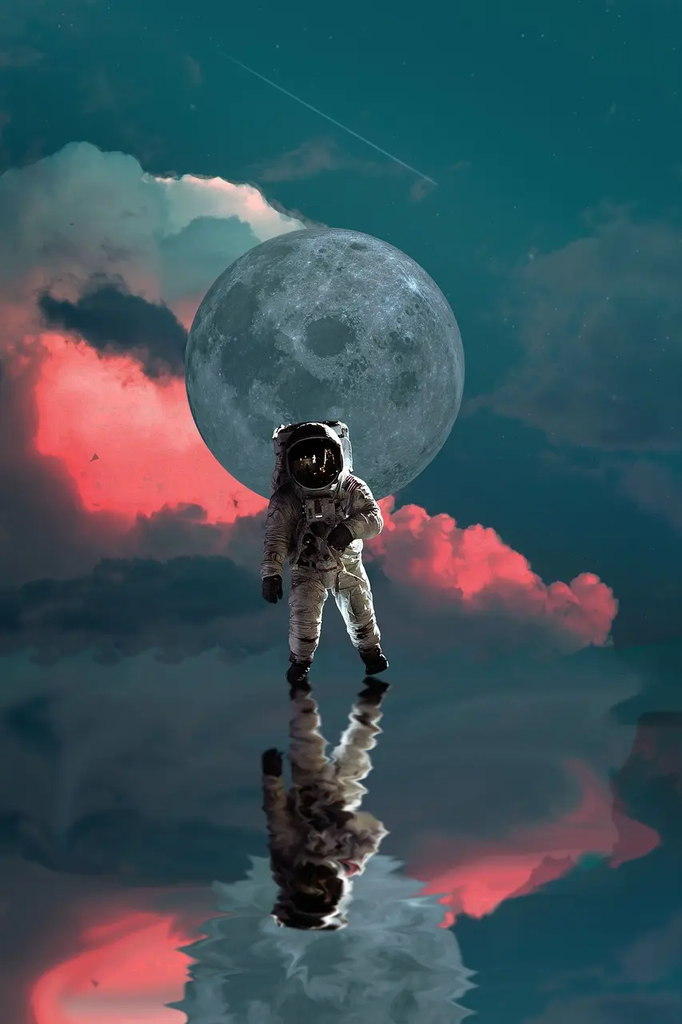
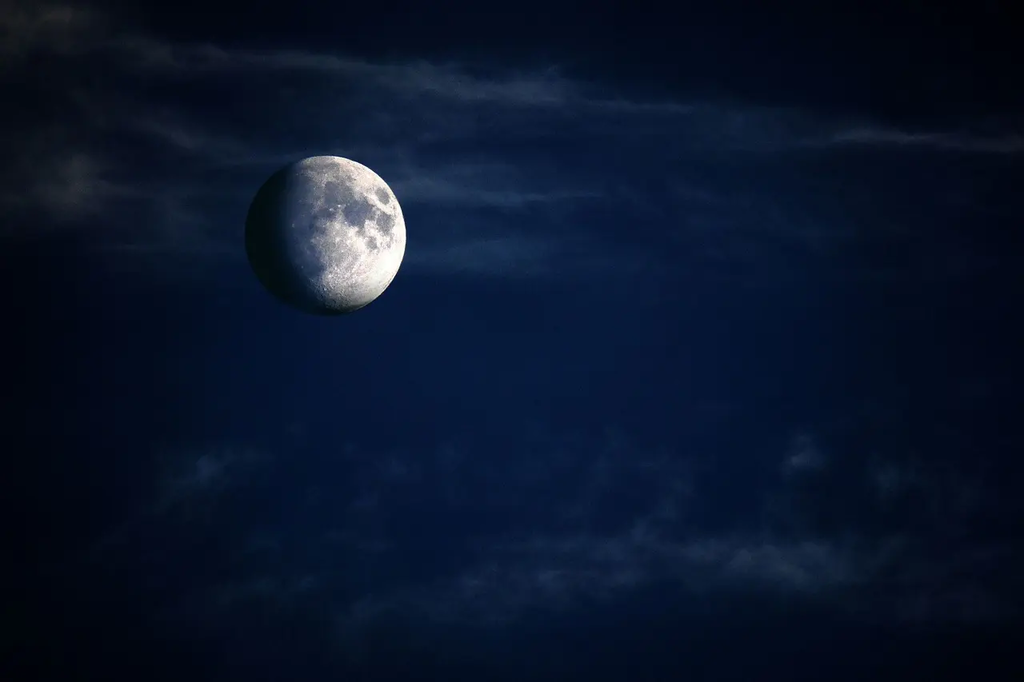
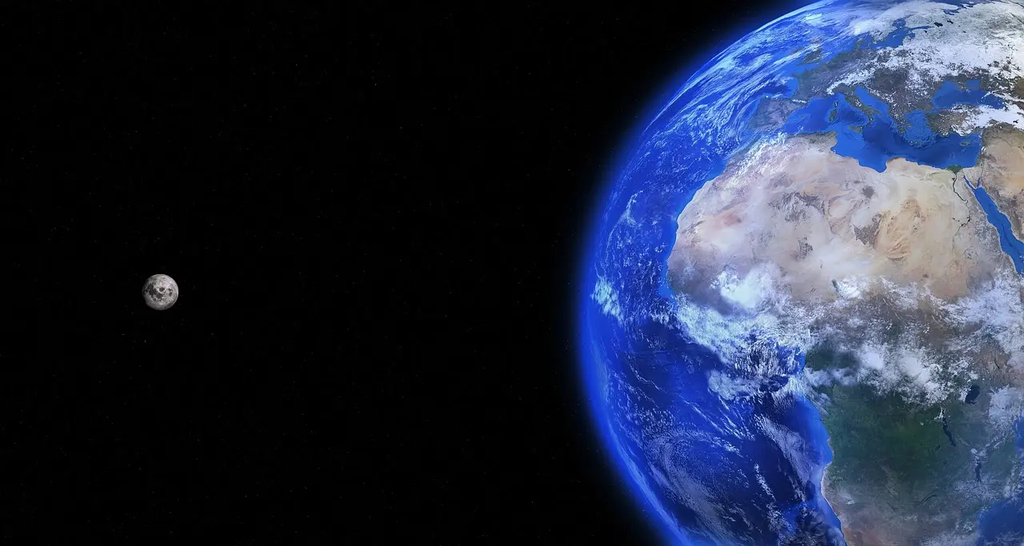
The Moon plays a subtle but important role in shaping Earth's weather patterns. Its gravitational pull causes ocean tides, which help regulate ocean currents and distribute heat across the planet. These tidal movements influence coastal climates and can impact weather systems. Additionally, the Moon stabilizes Earth's axial tilt, preventing extreme climate fluctuations and supporting long-term climate stability, which is essential for maintaining consistent weather patterns over time.
Moon's Role in Earth's Weather Patterns
The Moon plays a subtle but important role in shaping Earth's weather patterns. Its gravitational pull causes ocean tides, which help regulate ocean currents and distribute heat across the planet. These tidal movements influence coastal climates and can impact weather systems. Additionally, the Moon stabilizes Earth's axial tilt, preventing extreme climate fluctuations and supporting long-term climate stability, which is essential for maintaining consistent weather patterns over time.
💡 Key Takeaways
- Understand how the Moon's gravity drives ocean tides and how tides influence coastal weather and storm activity.
- See how tidal mixing changes sea surface temperatures, which feed regional weather patterns and storm development.
- Learn that the lunar cycle may be linked to rainfall in some regions, but it is not a universal or reliable weather predictor.
- Note the Moon's indirect influence via atmospheric tides, causing small shifts in wind and pressure alongside dominant weather drivers.
❓ Frequently Asked Questions
What is the Moon's direct role in Earth's weather?
There is no direct role; weather is driven by atmospheric processes. The Moon mainly influences tides and, on very long timescales, climate, but not daily weather.
How do lunar tides relate to coastal weather?
The Moon's gravity creates ocean tides that can affect coastal conditions (sea level, waves, and local wind patterns near shore). These effects are localized and do not control global weather.
Do Moon phases affect rainfall or storms?
No. Moon phases do not cause rain or storms. Weather is driven by heat, moisture, and atmospheric dynamics.
What are lunar atmospheric tides and do they matter for weather?
Lunar gravity can cause tiny atmospheric tides—very small daily pressure variations—that are much weaker than solar heating and have negligible impact on weather.