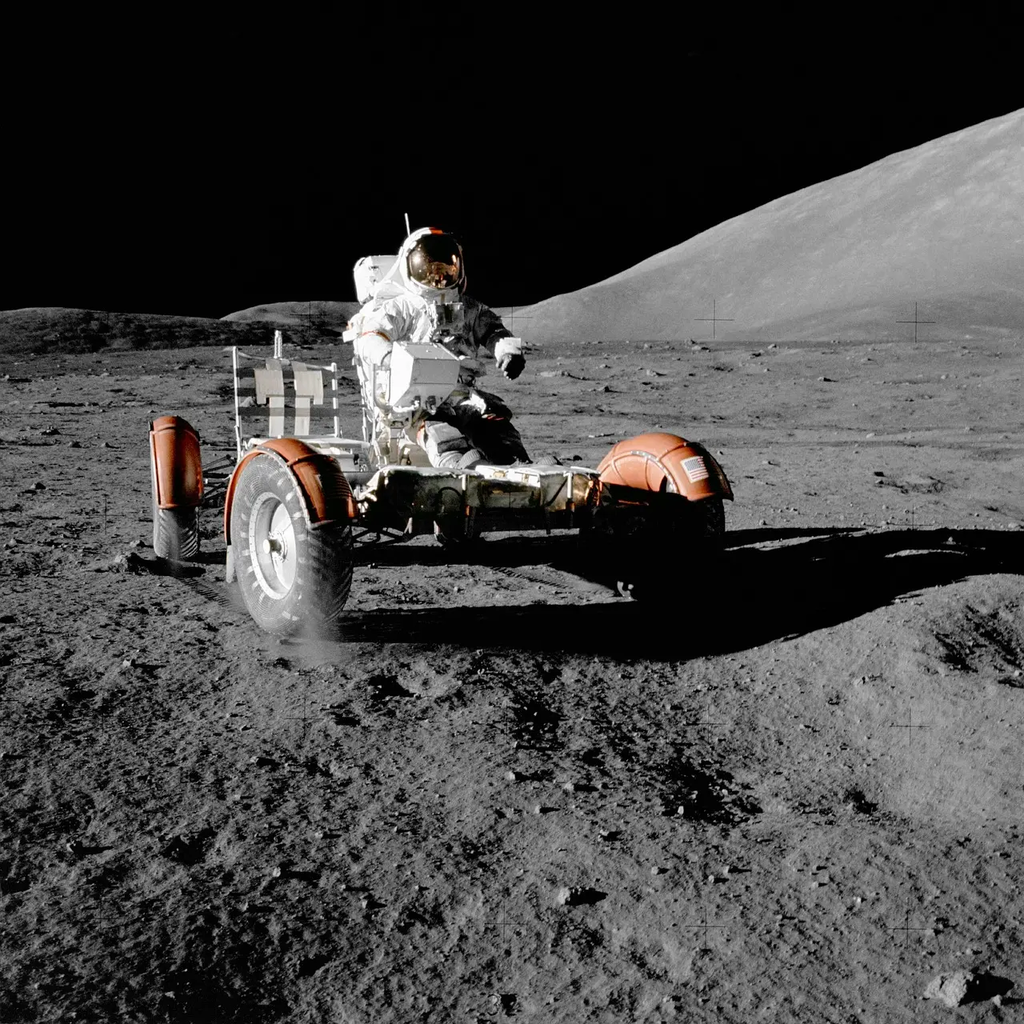
The Moon plays a crucial role in the search for extraterrestrial life by serving as an observational platform free from Earth’s atmospheric interference, enabling clearer space observations. Its stable environment allows for the deployment of advanced telescopes and instruments to detect distant planets and potential biosignatures. Additionally, studying the Moon’s geology and history offers insights into planetary formation and the conditions necessary for life beyond Earth.
Moon's Role in Extraterrestrial Life Search
The Moon plays a crucial role in the search for extraterrestrial life by serving as an observational platform free from Earth’s atmospheric interference, enabling clearer space observations. Its stable environment allows for the deployment of advanced telescopes and instruments to detect distant planets and potential biosignatures. Additionally, studying the Moon’s geology and history offers insights into planetary formation and the conditions necessary for life beyond Earth.

💡 Key Takeaways
- Understand how the Moon’s geological record helps scientists reconstruct Earth's early environment and the conditions that could have supported life
- Learn how lunar dating and sample analysis calibrate the timeline of events—like bombardment and volatile delivery—that influence planetary habitability
- Explore how permanently shadowed regions and surface ice on the Moon inform the possible presence and preservation of water and organic compounds relevant to life
- See how the Moon serves as a testing ground for astrobiology tools and as a stepping stone for future missions searching for biosignatures on other worlds
❓ Frequently Asked Questions
What is the Moon's relevance to the search for extraterrestrial life?
It offers a practical lab and stepping stone—preserving ancient solar-system records in its rocks, and providing a test bed for life-detection methods and mission design before exploring more distant worlds.
How does the Moon help us understand habitability on other planets?
Its study of impact histories, volatiles, and surface processes helps scientists model how water, energy, and geology influence habitability on rocky planets elsewhere.
Can the Moon preserve clues about Earth's early life or the solar system's past?
Yes. Moon rocks carry records of early bombardment and solar activity, helping reconstruct Earth's environment long ago and the solar system's evolution, with low Earth contamination.
How do lunar missions contribute to developing life-detection technologies?
They test sensors, instrumentation, and sampling methods in a harsh, airless setting, improving techniques used in the search for life on other worlds.