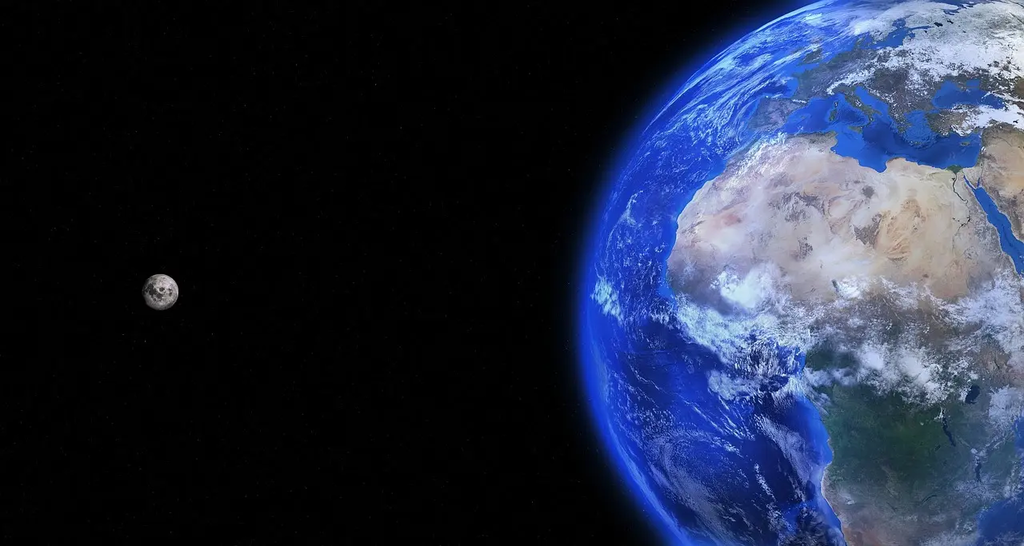
The Moon serves as a strategic stepping stone for galactic exploration, offering a nearby platform for testing advanced technologies and conducting scientific research. Its low gravity makes launching spacecraft more efficient, while its surface can host observatories and resource extraction operations. By establishing a sustainable presence on the Moon, humanity can develop the skills and infrastructure necessary for deeper space missions, paving the way for future exploration of our galaxy.
Moon's Role in Galactic Exploration
The Moon serves as a strategic stepping stone for galactic exploration, offering a nearby platform for testing advanced technologies and conducting scientific research. Its low gravity makes launching spacecraft more efficient, while its surface can host observatories and resource extraction operations. By establishing a sustainable presence on the Moon, humanity can develop the skills and infrastructure necessary for deeper space missions, paving the way for future exploration of our galaxy.

💡 Key Takeaways
- Explain how the Moon’s gravity and proximity influence spacecraft trajectories and fuel planning for long-range missions.
- Review the Moon’s exploration history to inform modern deep-space strategies and science goals.
- Identify how the Moon can serve as a staging post for communications relays, navigation aids, and observatories in galactic exploration.
- Explore lunar resources and habitat logistics (water ice, regolith) that could support sustained exploration beyond Earth.
❓ Frequently Asked Questions
What is the Moon's role in galactic exploration?
The Moon serves as a nearby, low-risk testbed for testing life-support, habitats, propulsion, and operations before venturing farther into the galaxy.
What resources on the Moon could assist exploration beyond Earth?
Water ice for life support and fuel, lunar regolith for oxygen production and construction, and abundant solar energy to power operations.
How does the Moon help prepare for missions to Mars and beyond?
It provides a cislunar staging area to practice refueling, long-duration habitation, and surface operations, while refining navigation, communication, and in-situ resource utilization techniques.
Why study the Moon's radiation environment for galactic exploration?
The lunar surface exposes crews to space radiation, so understanding shielding and habitat design there helps safeguard astronauts on deeper-space missions.