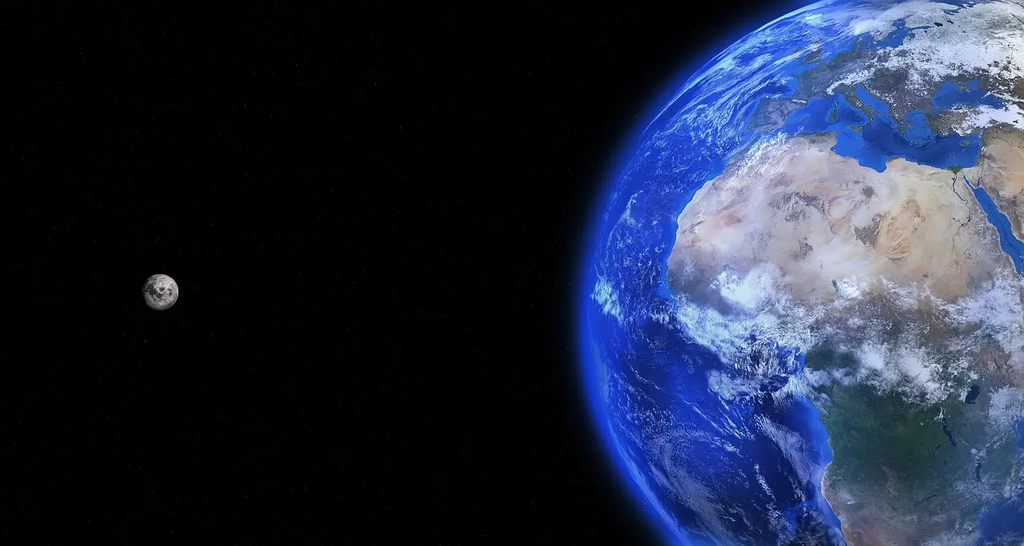
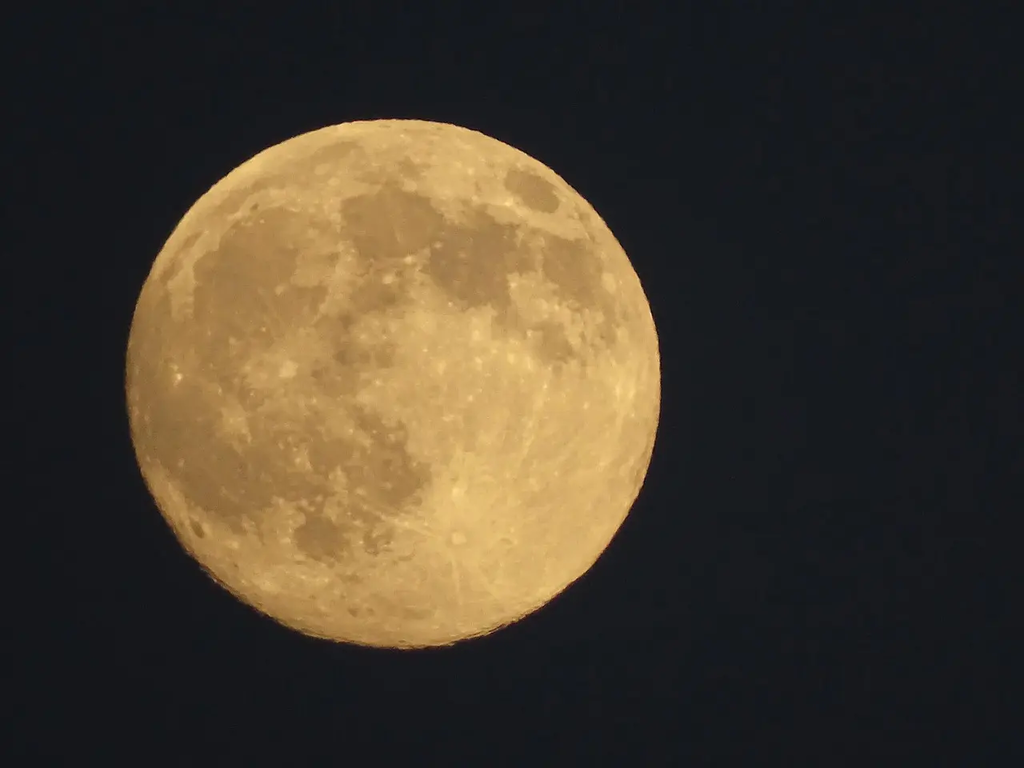
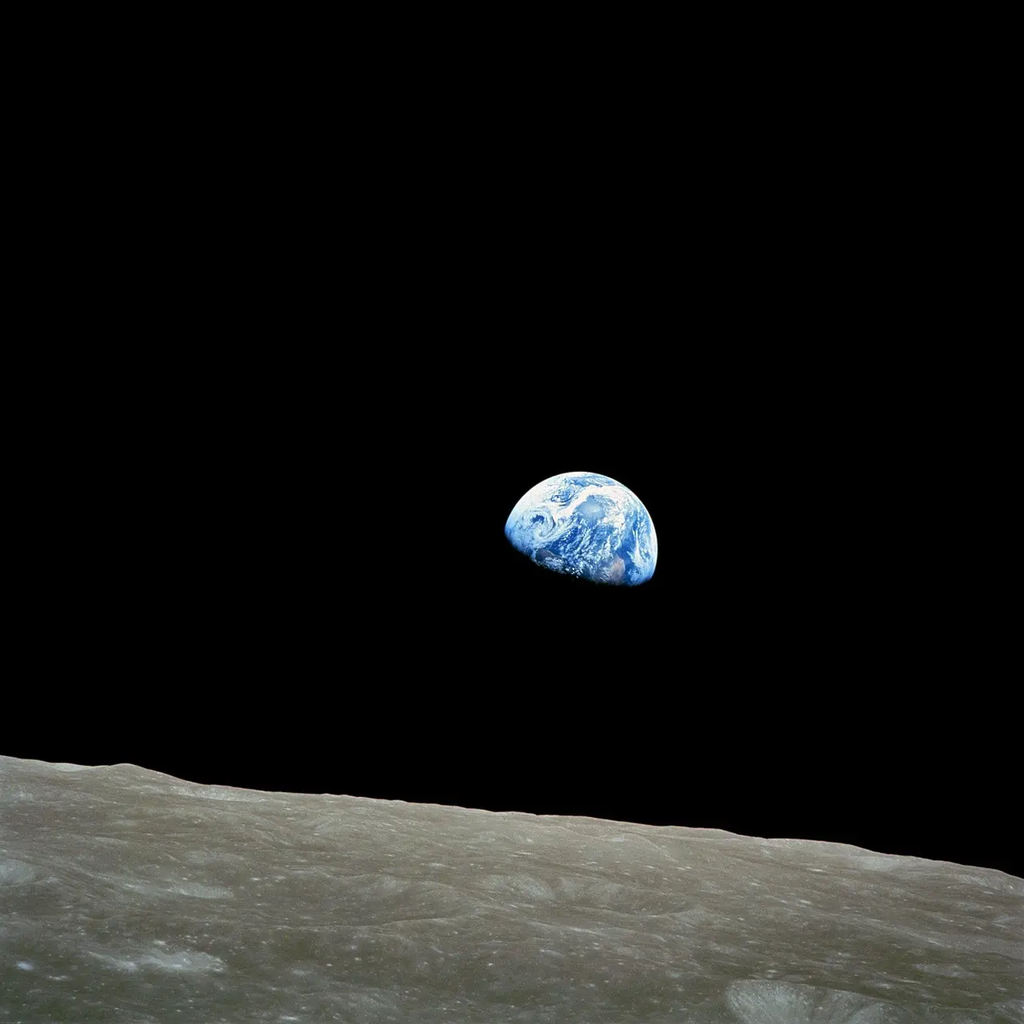
The Moon plays a crucial role in interplanetary travel by serving as a potential launch platform and refueling station due to its lower gravity compared to Earth. Utilizing lunar resources, such as water ice for fuel, can make missions to Mars and beyond more efficient and cost-effective. Additionally, the Moon provides opportunities for testing new technologies and life support systems in preparation for longer journeys into deep space.
Moon's Role in Interplanetary Travel
The Moon plays a crucial role in interplanetary travel by serving as a potential launch platform and refueling station due to its lower gravity compared to Earth. Utilizing lunar resources, such as water ice for fuel, can make missions to Mars and beyond more efficient and cost-effective. Additionally, the Moon provides opportunities for testing new technologies and life support systems in preparation for longer journeys into deep space.

💡 Key Takeaways
- Understand how the Moon's gravity can shape interplanetary trajectories through gravity assists.
- Learn the key lunar maneuvers used in mission design (translunar injection, lunar orbit insertion, flybys).
- Recognize how mission timing and lunar cycles affect transfer windows to other planets.
- Explore the idea of using the Moon as a staging or refueling point for longer missions, including benefits and challenges.
❓ Frequently Asked Questions
How could the Moon act as a stepping-stone for interplanetary travel?
The Moon's low gravity makes it cheaper to reach cislunar space, serving as a practical testing ground for propulsion, landers, habitats, and long-duration operations before missions to Mars or beyond.
What role can the Moon play in deep-space communications?
Moon-based relay satellites and stable orbits can maintain continuous links to Earth for spacecraft beyond the Moon, helping stay in contact when Earth is not in direct line-of-sight.
How could lunar resources support interplanetary missions?
Water ice near the poles can be split into hydrogen and oxygen for fuel and life support, while lunar soil can shield habitats and tests ISRU (in-situ resource utilization) technologies.
What are major challenges of using the Moon for interplanetary travel?
Extreme temperature swings, high radiation exposure, and fine lunar dust pose engineering and health challenges; habitats and equipment require robust protection and power management.