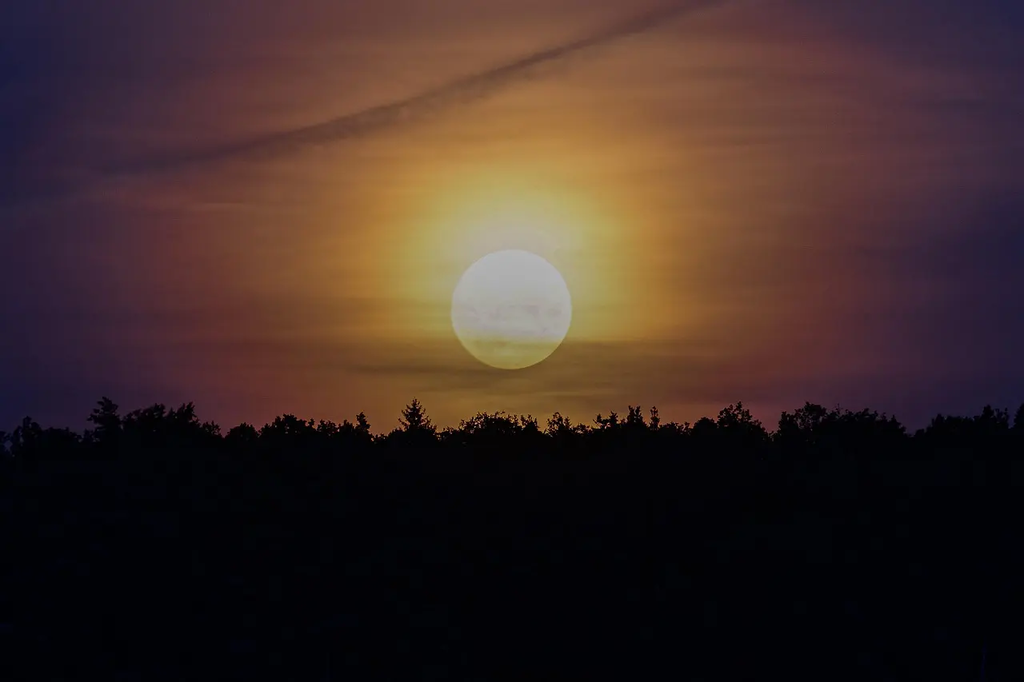
The Moon plays a crucial role in lunar eclipses, which occur when the Earth comes between the Sun and the Moon, casting its shadow on the lunar surface. During a lunar eclipse, the Moon passes through Earth's shadow, causing it to darken and often take on a reddish hue due to the scattering of sunlight through Earth's atmosphere. This celestial event highlights the dynamic relationship between the Earth, Moon, and Sun.
Moon's Role in Lunar Eclipses
The Moon plays a crucial role in lunar eclipses, which occur when the Earth comes between the Sun and the Moon, casting its shadow on the lunar surface. During a lunar eclipse, the Moon passes through Earth's shadow, causing it to darken and often take on a reddish hue due to the scattering of sunlight through Earth's atmosphere. This celestial event highlights the dynamic relationship between the Earth, Moon, and Sun.
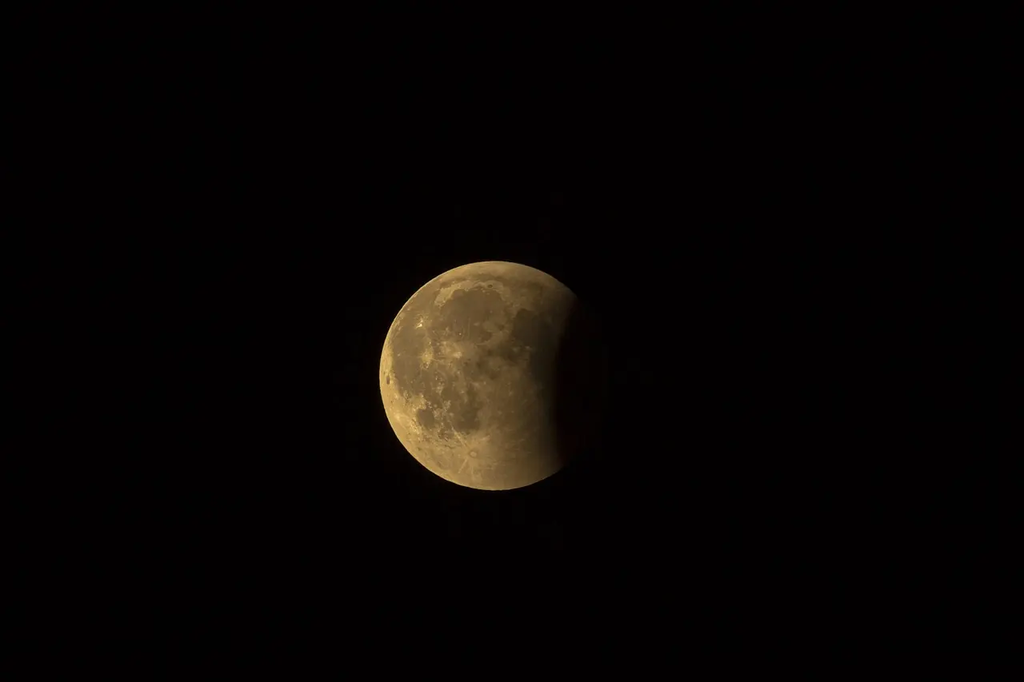
💡 Key Takeaways
- Understand how Earth's shadow forms as the Moon passes through during a lunar eclipse.
- Distinguish between total, partial, and penumbral lunar eclipses and what observers typically see during each.
- Explain how the Moon's orbital geometry and the Sun–Earth–Moon alignment determine when lunar eclipses occur and where they’re visible.
- Describe why the Moon can appear reddish during a total lunar eclipse and the factors that influence its color.
❓ Frequently Asked Questions
What is the role of the Moon in a lunar eclipse?
The Moon moves into Earth's shadow. Its position relative to Earth and the Sun determines whether an eclipse happens and what type it is (total, partial, or penumbral).
Why does a lunar eclipse require a specific Moon phase?
The Moon must be near full phase so it is opposite the Sun from Earth's viewpoint, allowing it to pass through Earth's shadow.
What’s the difference between total, partial, and penumbral lunar eclipses?
Total: the entire Moon is in Earth's dark inner shadow (umbra). Partial: part of the Moon is in the umbra. Penumbral: the Moon only crosses the lighter outer shadow (penumbra), often producing a subtle shading.
Why can the Moon look red during a total lunar eclipse?
Sunlight passing through Earth's atmosphere is bent and filtered; blue light is scattered, while red light is refracted onto the Moon, giving it a reddish, 'blood Moon' appearance.