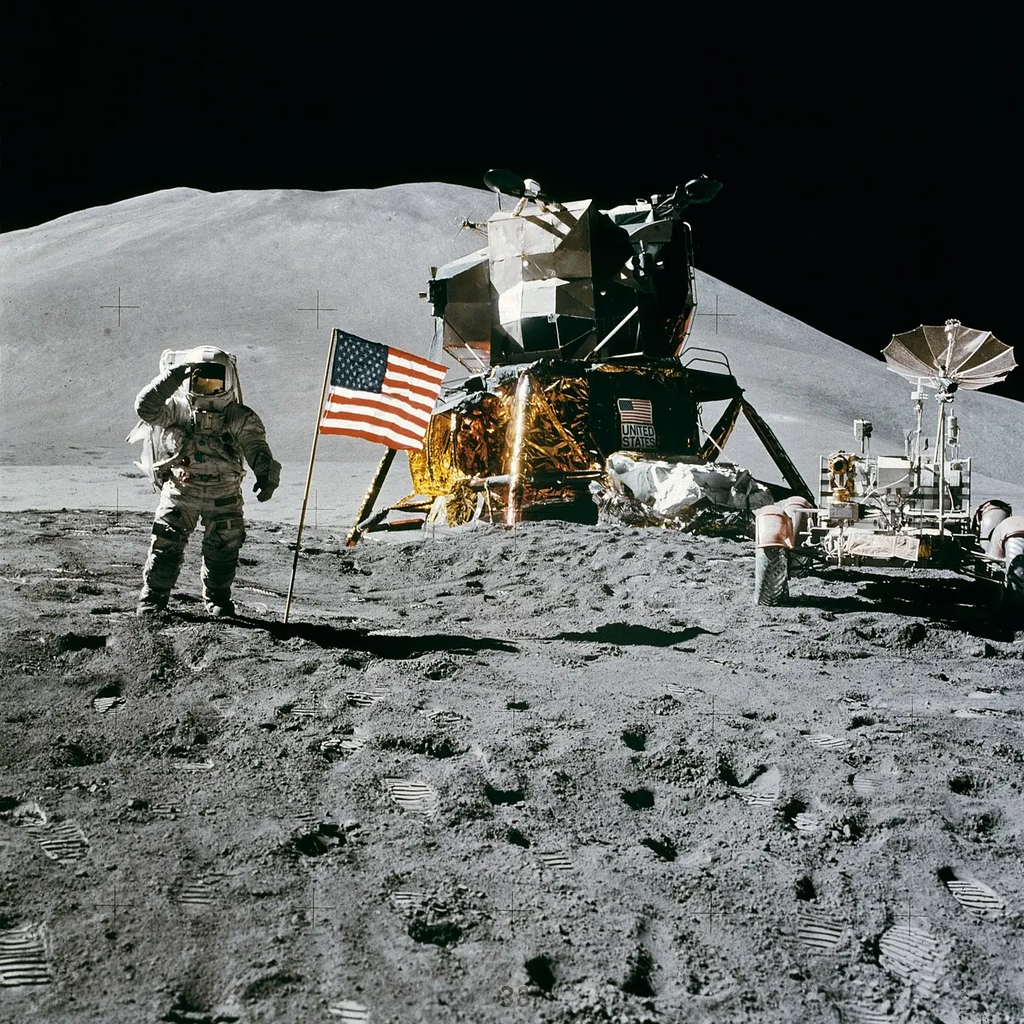
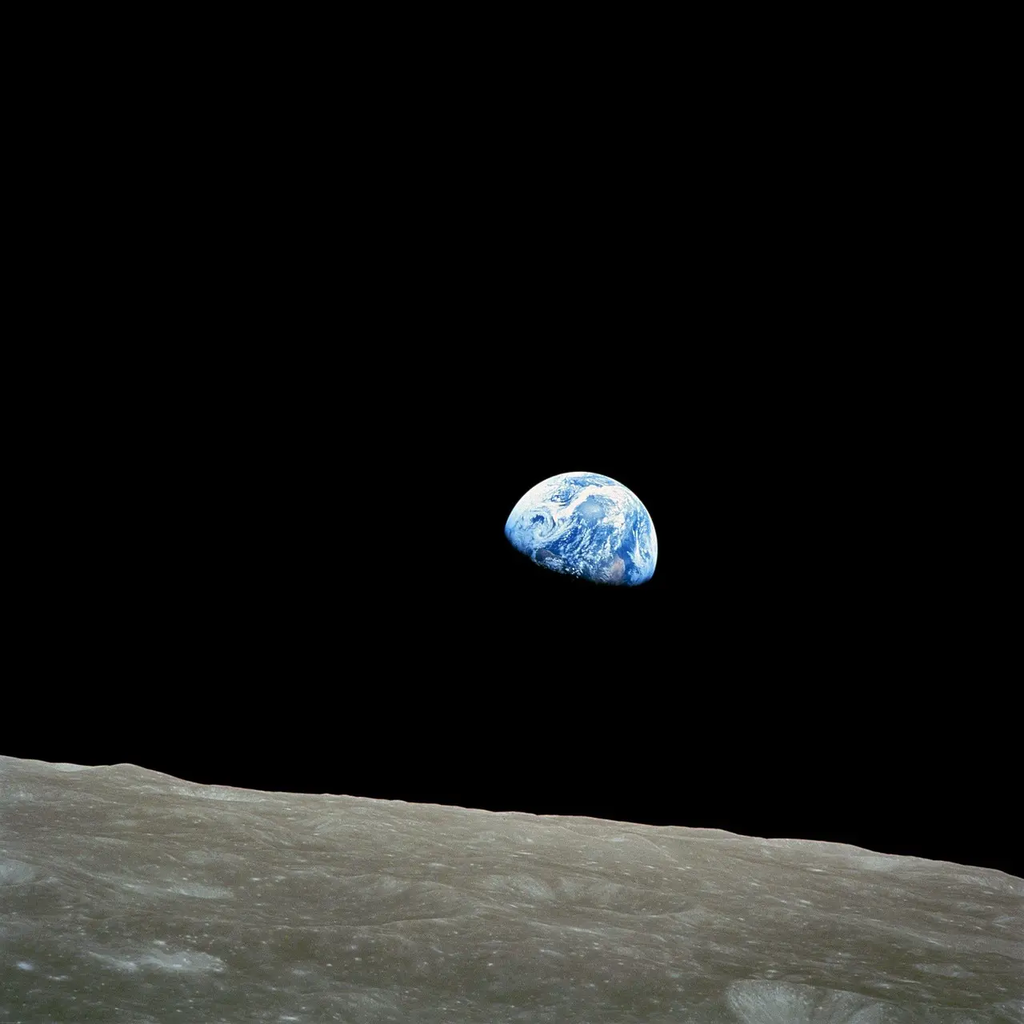
The Moon serves as a crucial gateway for multiverse exploration due to its proximity to Earth, stable environment, and low gravity, which make it an ideal launchpad for deep-space missions. Its unique vantage point enables advanced astronomical observations and experiments, potentially revealing insights into parallel universes. By establishing a lunar base, scientists can develop technologies and strategies necessary for safe, sustained exploration beyond our universe, making the Moon a pivotal asset in multiverse research.
Moon's Role in Multiverse Exploration
The Moon serves as a crucial gateway for multiverse exploration due to its proximity to Earth, stable environment, and low gravity, which make it an ideal launchpad for deep-space missions. Its unique vantage point enables advanced astronomical observations and experiments, potentially revealing insights into parallel universes. By establishing a lunar base, scientists can develop technologies and strategies necessary for safe, sustained exploration beyond our universe, making the Moon a pivotal asset in multiverse research.

💡 Key Takeaways
- Understand how the Moon can symbolize transitions between universes in multiverse fiction.
- Learn fictional mechanisms by which the Moon could enable interdimensional travel (e.g., portals, anchors, gateways).
- Explore how lunar phases and cycles are used as pacing devices for transitioning between worlds.
- Identify common sci-fi Moon-based portal tropes and what they reveal about multiverse storytelling.
❓ Frequently Asked Questions
What is the Moon's role in multiverse exploration in this quiz?
In this setting, the Moon acts as a gateway anchor—its phase, orientation, and tidal resonance unlock and stabilize portals to parallel realities.
How do lunar phases affect portal access?
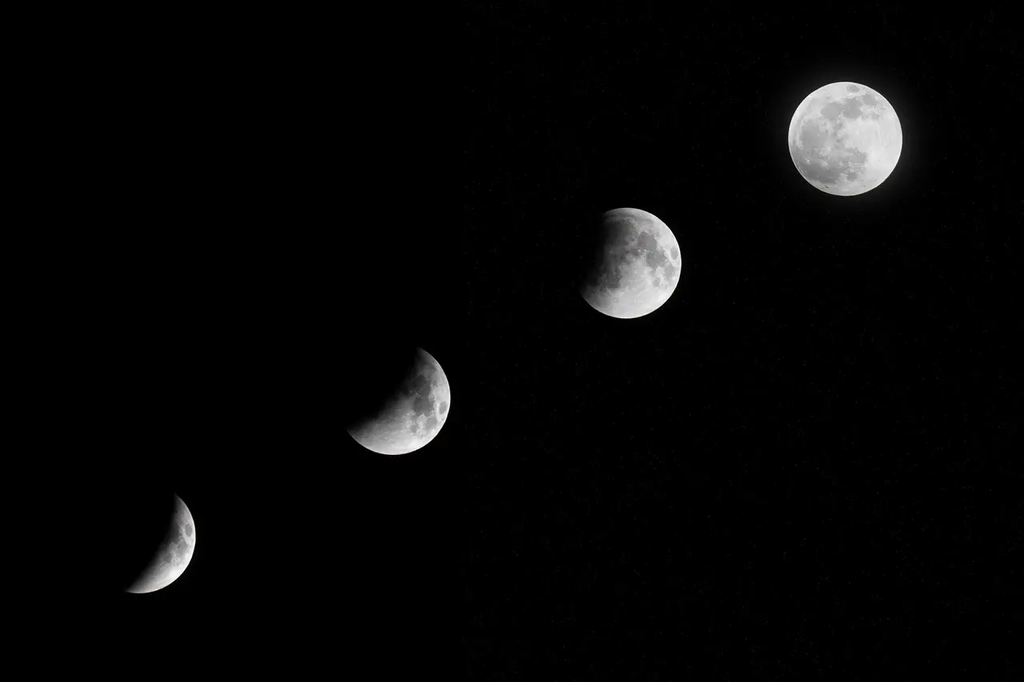
Certain phases create stronger resonance with cosmic portals; for example, new and full moons may open gateways, while quarter moons might enable shorter or local crossings.
What is lunar resonance and why is it important?
Lunar resonance describes how the Moon's gravity aligns with energy patterns used for travel. Higher resonance boosts portal stability and energy transfer during navigation.
Is the Moon necessary for all journeys, or can exploration happen without it?
The Moon is a central catalyst in this quiz's world, but some routes may bypass it or require different alignments for access.