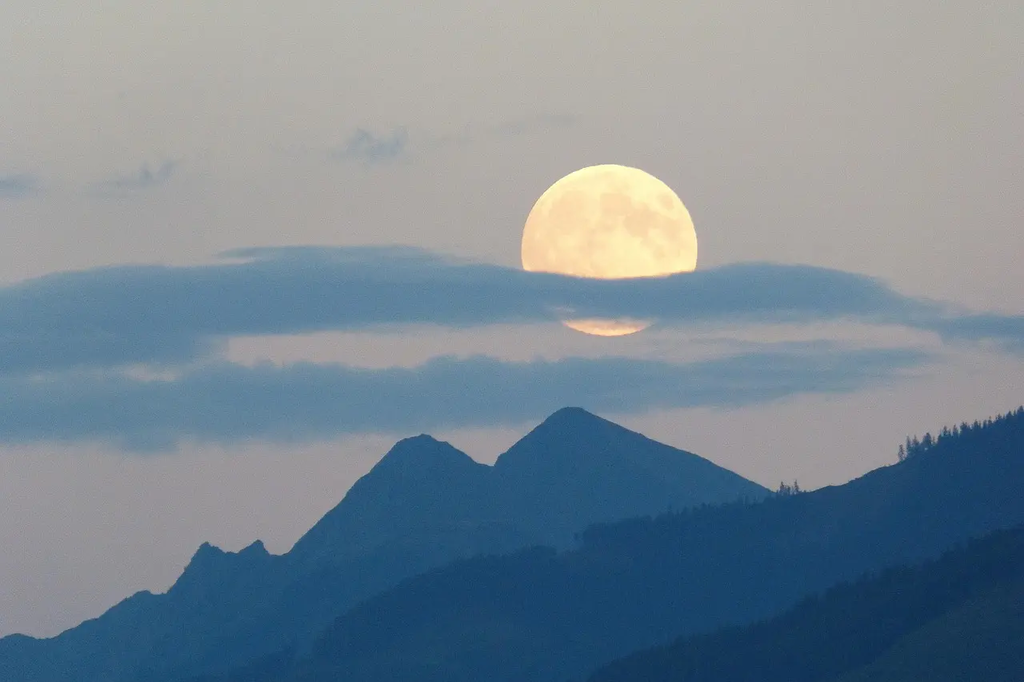
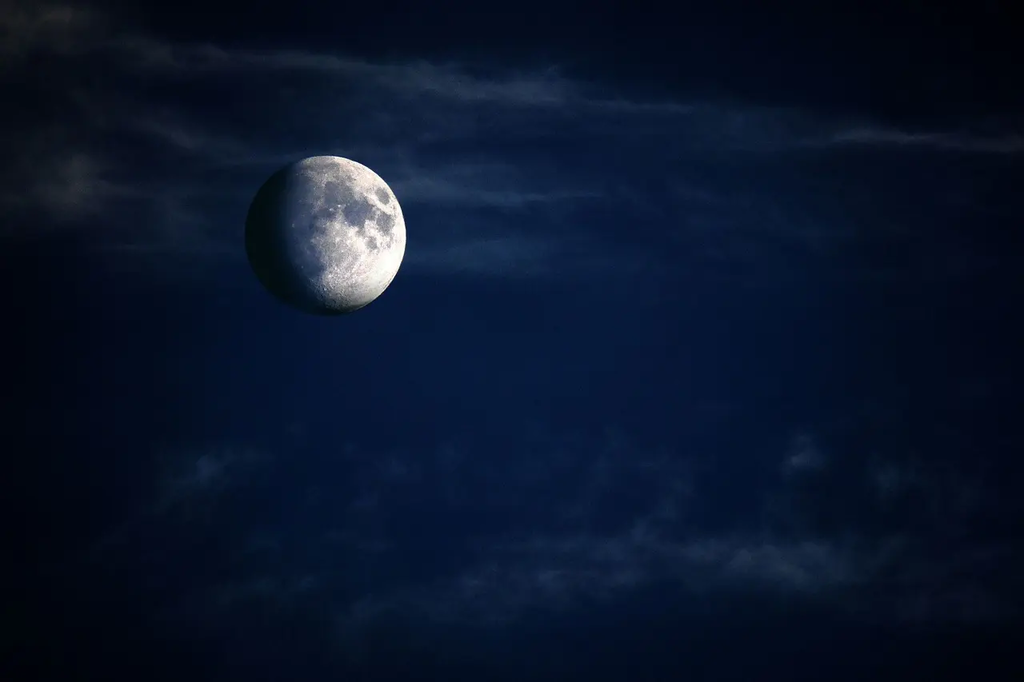
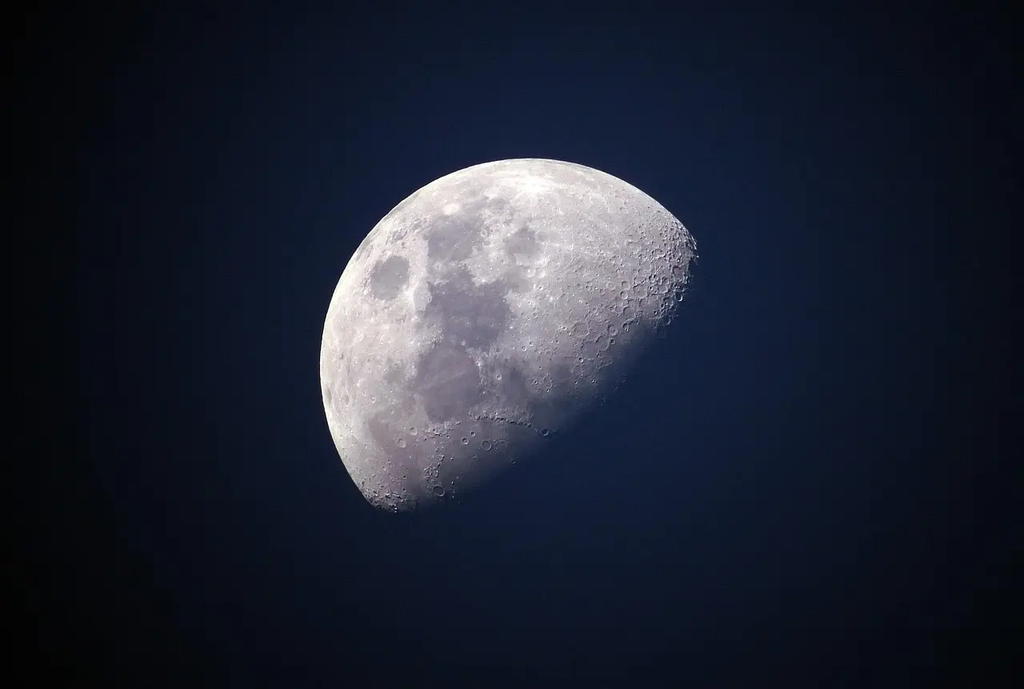
The Moon plays a crucial role in planetary science by offering insights into the early history and evolution of the solar system. Its surface preserves records of impacts and geological processes, helping scientists understand planetary formation and development. The Moon’s gravitational influence stabilizes Earth’s tilt, affecting climate and tides. Studying the Moon also provides a comparative basis for analyzing other celestial bodies, advancing our knowledge of planetary systems and processes beyond Earth.
Moon's Role in Planetary Science
The Moon plays a crucial role in planetary science by offering insights into the early history and evolution of the solar system. Its surface preserves records of impacts and geological processes, helping scientists understand planetary formation and development. The Moon’s gravitational influence stabilizes Earth’s tilt, affecting climate and tides. Studying the Moon also provides a comparative basis for analyzing other celestial bodies, advancing our knowledge of planetary systems and processes beyond Earth.
💡 Key Takeaways
- Explain how lunar rocks and the Moon's formation inform planetary formation theories.
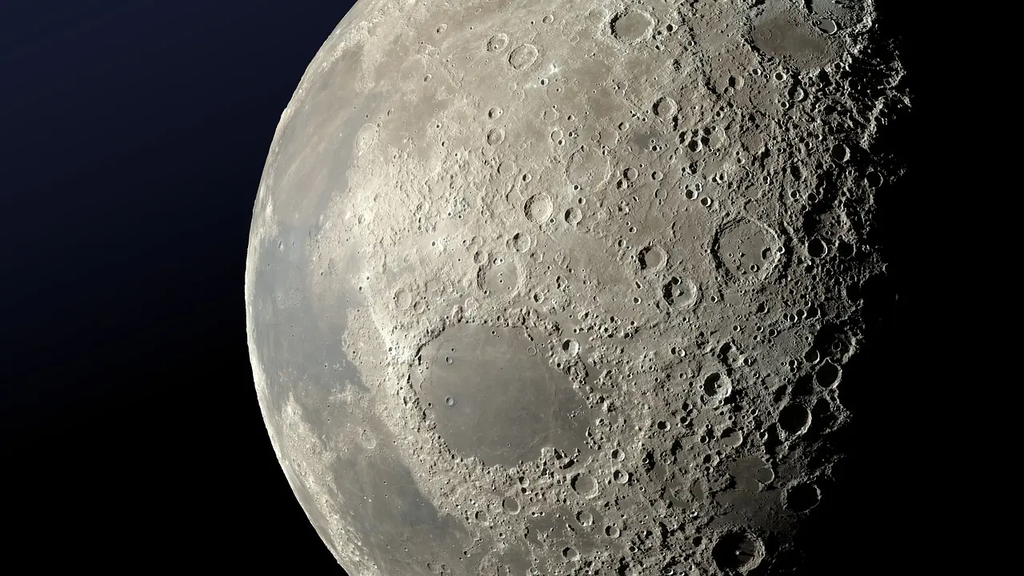
- Identify lunar features (craters, maria, highlands) and what they reveal about the early solar system.
- Describe how the Moon's gravity and tidal forces influence Earth's tides, rotation, and tilt stability.
- Explore how lunar missions, samples, and remote sensing shape our understanding of other planetary bodies.
❓ Frequently Asked Questions
What makes the Moon a valuable natural laboratory for planetary science?
The Moon has little atmosphere and low internal activity, so its rocks preserve ancient Solar System material and record early impacts and volcanic history in a relatively undisturbed form.
How do lunar rocks help date the Solar System?
Radiometric dating of Apollo samples and lunar meteorites yields absolute ages; isotope systems like U-Pb and Ar-Ar reveal when crust formed and when basins and large impacts occurred.
What can studying lunar craters tell us about other planets?
The Moon’s cratered, airless surface preserves impact records, allowing us to calibrate crater formation and dating methods that apply to planets with atmospheres and different weathering.
How does the Earth–Moon system influence Earth's climate and dynamics?
The Moon drives tides and helps stabilize Earth's tilt, contributing to long-term climate stability and the planet’s rotational dynamics.