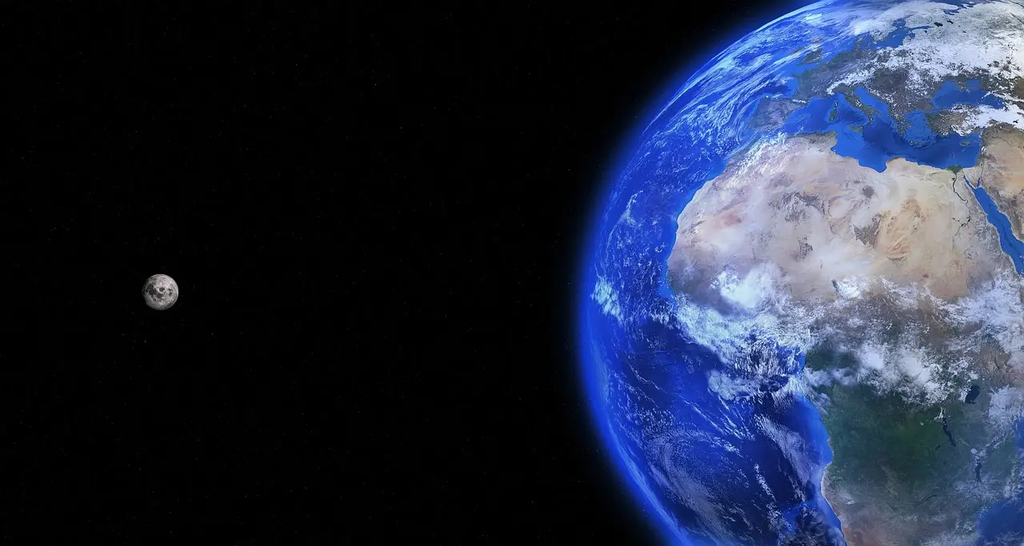
The Moon plays a crucial role in space colonization as a stepping stone for deeper space exploration. Its proximity to Earth makes it an ideal site for testing technologies, building habitats, and extracting resources like water ice for fuel. Establishing a lunar base can reduce mission costs and risks, serving as a launchpad for missions to Mars and beyond, while expanding scientific knowledge and fostering international cooperation in space endeavors.
Moon's Role in Space Colonization
The Moon plays a crucial role in space colonization as a stepping stone for deeper space exploration. Its proximity to Earth makes it an ideal site for testing technologies, building habitats, and extracting resources like water ice for fuel. Establishing a lunar base can reduce mission costs and risks, serving as a launchpad for missions to Mars and beyond, while expanding scientific knowledge and fostering international cooperation in space endeavors.
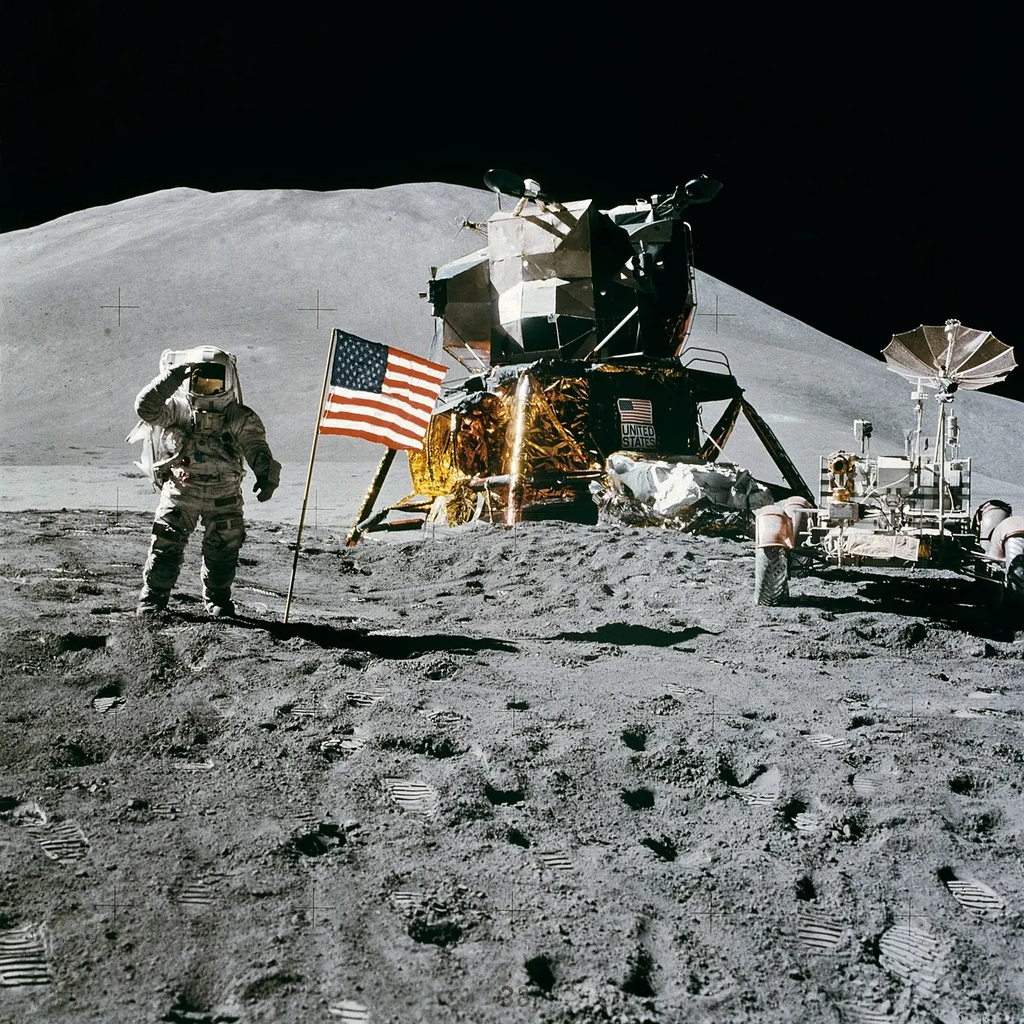
💡 Key Takeaways
- Understand why the Moon serves as a practical stepping-stone for space colonization due to its proximity and lower gravity, allowing affordable testing of habitats and life-support systems.
- Identify lunar resources like water ice and regolith, and explain how In-Situ Resource Utilization (ISRU) could produce propellant, oxygen, and construction materials.
- Recognize the major challenges of a lunar base—extreme temperatures, radiation, regolith dust, and shielding requirements—along with the power and logistics needed to sustain them.
- Explain how a sustained lunar presence can enable deeper space missions by testing propulsion, habitat tech, mining methods, and serving as a hub for science and international collaboration.
❓ Frequently Asked Questions
Why is the Moon considered a stepping stone to space colonization?
Its proximity to Earth enables faster, cheaper missions to test habitats, life support, in-situ resource utilization, mining, and logistics before venturing farther into the solar system.
What lunar resources could support a space colony?
Water ice at the poles for life support and fuel; oxygen that can be extracted from regolith; solar energy; and construction materials or metals from lunar soil for building and shielding.
What are the main challenges of sustaining a habitat on the Moon?
Extreme temperature swings, high radiation levels, fine dust, micro-meteoroid exposure, low gravity effects on health, and the need for reliable life support and resource provisioning.
How can the Moon help test technologies for deeper space missions?
As a nearby testbed for habitats, life-support systems, ISRU, energy and power systems, robotics, and autonomous operations, reducing risk for future missions to Mars and beyond.