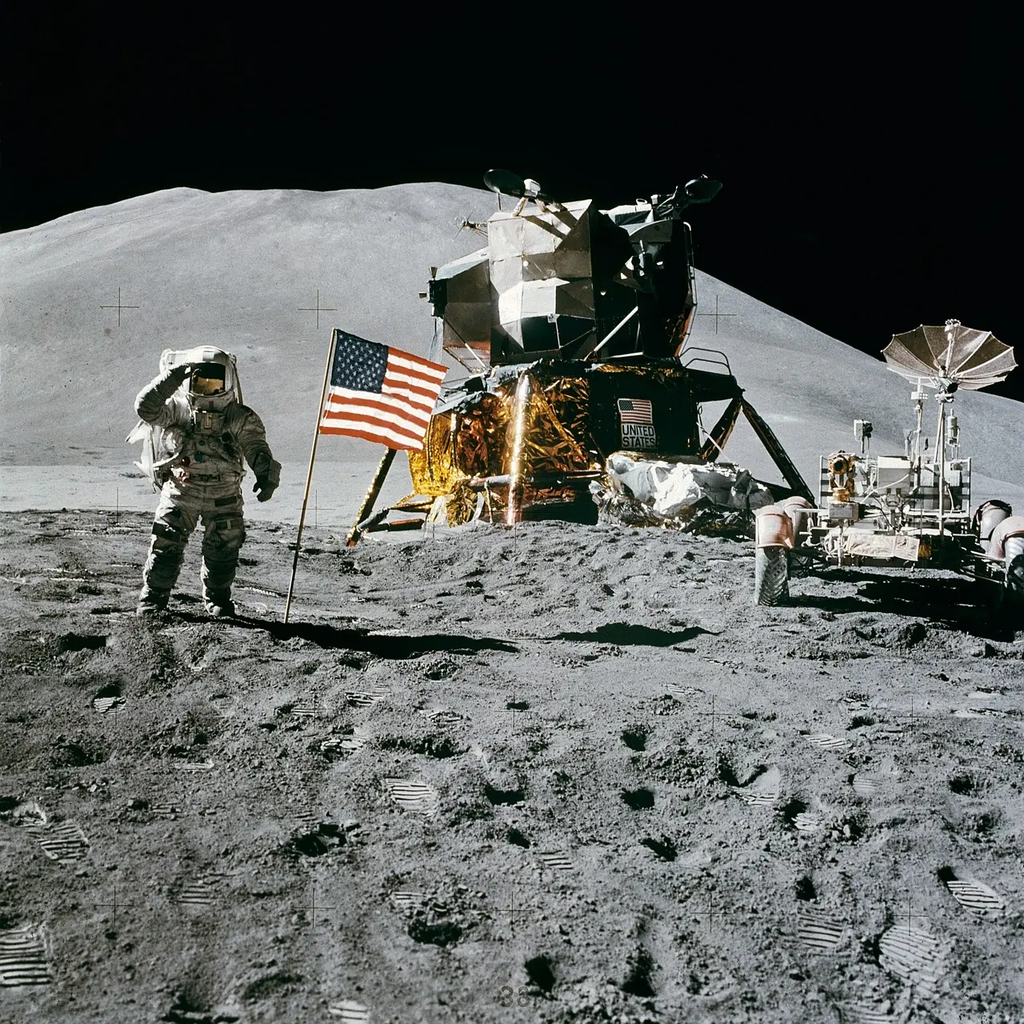
The Moon's role in space ethics centers on questions of ownership, resource exploitation, and preservation. As nations and private entities plan lunar missions, ethical concerns arise regarding equitable access, environmental protection, and respecting the Moon’s cultural significance. International agreements, like the Outer Space Treaty, aim to ensure that the Moon remains a shared heritage of humanity, guiding responsible exploration and preventing harmful competition or irreversible damage to the lunar environment.
Moon's Role in Space Ethics
The Moon's role in space ethics centers on questions of ownership, resource exploitation, and preservation. As nations and private entities plan lunar missions, ethical concerns arise regarding equitable access, environmental protection, and respecting the Moon’s cultural significance. International agreements, like the Outer Space Treaty, aim to ensure that the Moon remains a shared heritage of humanity, guiding responsible exploration and preventing harmful competition or irreversible damage to the lunar environment.
💡 Key Takeaways
- Protect the Moon's pristine environment by preventing contamination and ecological disruption during missions.
- Understand how international treaties and agreements guide peaceful, cooperative lunar exploration (Outer Space Treaty, Artemis Accords).
- Debate fair access to lunar resources and how benefits should be shared among nations and humanity.
- Consider cultural and scientific heritage, and the long-term sustainability of activities on the Moon.
❓ Frequently Asked Questions
What is space ethics and why does the Moon matter?
Space ethics studies responsible conduct in space activities. The Moon matters because its relatively pristine environment could be harmed by contamination, debris, or unequal access.
What is planetary protection and how does it apply to the Moon?
Planetary protection aims to prevent forward contamination of celestial bodies by Earth life and to protect Earth from any potential back contamination. For the Moon, this guides spacecraft design and mission planning to minimize contamination.
Which treaties influence Moon exploration and use?
The Outer Space Treaty (1967) bans national appropriation, requires exploration for the benefit of all, and calls for avoiding harmful contamination and cooperation. Other treaties and national laws shape resource use and environmental protections.
Should lunar resources be mined, and how should benefits be shared?
Mining the Moon raises questions of ownership and fair sharing of benefits. While frameworks exist (e.g., the Moon Treaty), adoption is limited; many emphasize peaceful, transparent, and sustainable use with broad benefits.