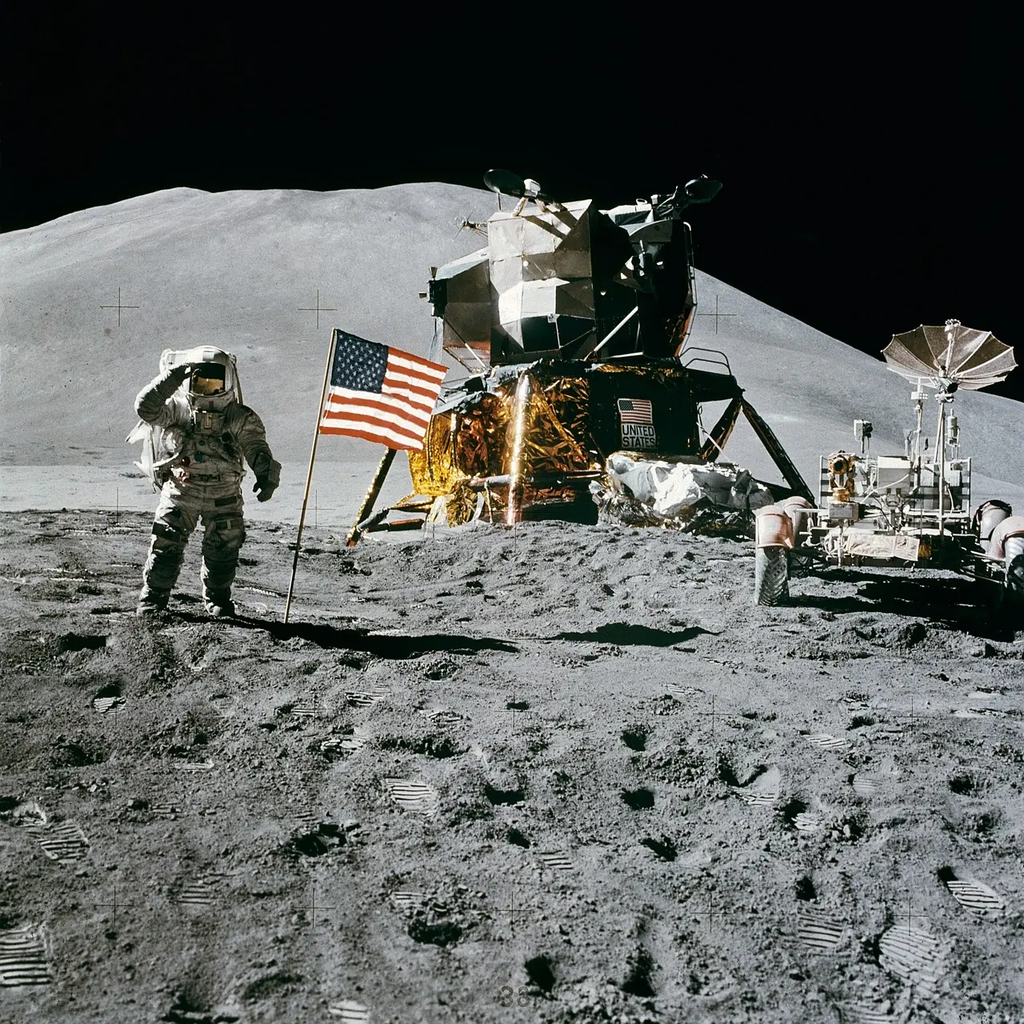
The Moon plays a pivotal role in space governance as it represents a strategic and symbolic frontier for international cooperation, competition, and legal frameworks. Its resources, potential for scientific research, and position as a gateway for deeper space exploration have prompted nations to address issues of ownership, resource utilization, and peaceful use. The Moon’s governance thus shapes emerging space policies, treaties, and collaborative efforts among global stakeholders.
Moon's Role in Space Governance
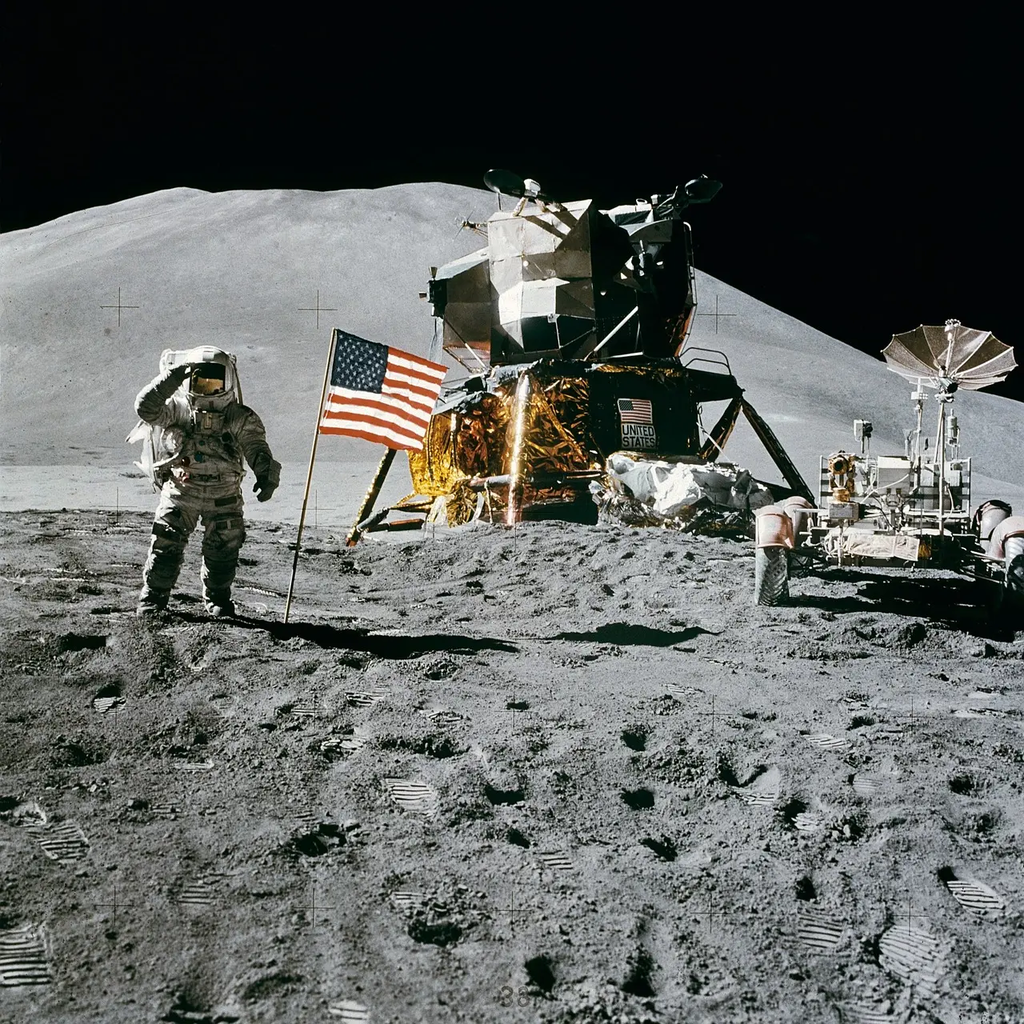
The Moon plays a pivotal role in space governance as it represents a strategic and symbolic frontier for international cooperation, competition, and legal frameworks. Its resources, potential for scientific research, and position as a gateway for deeper space exploration have prompted nations to address issues of ownership, resource utilization, and peaceful use. The Moon’s governance thus shapes emerging space policies, treaties, and collaborative efforts among global stakeholders.
💡 Key Takeaways
- Identify key treaties and agreements shaping Moon governance (Outer Space Treaty, Moon Agreement, Artemis Accords).
- Describe the Moon's core principles: peaceful use, non-appropriation, and freedom of exploration.
- Explain how lunar resources are regulated and the debate over common heritage vs national rights.
- Know the roles of international bodies and space agencies in coordinating lunar activity and addressing governance challenges.
❓ Frequently Asked Questions
What is the Outer Space Treaty and how does it govern the Moon?
The 1967 Outer Space Treaty says outer space and celestial bodies, including the Moon, are not subject to national sovereignty; space activities must be peaceful, and states are responsible for their nationals' activities and liable for damage.
Can countries claim ownership of the Moon or its resources?
No sovereign ownership is allowed under the treaty. Resource use is allowed, but ownership and exploitation are complex. The Moon Agreement (not widely ratified) envisions resources as the common heritage of mankind and calls for an international regime to govern them.
What is the Moon Agreement and its status?
The Moon Agreement aims to ensure the Moon and its resources are the common heritage of mankind and to create an international framework for their exploitation. However, it has been ratified by only a few countries and not by major spacefaring nations, limiting its practical impact.
What are the Artemis Accords and how do they relate to Moon governance?
The Artemis Accords are a non-binding set of principles promoting peaceful, transparent, and cooperative lunar exploration, safety, interoperability, and responsible resource use. They guide partnerships but are not a global treaty.
Who enforces lunar rules and who is responsible for missions?
States are responsible for the activities of their nationals and private companies. International law assigns liability for damage, and governance relies on COPUOS guidelines, national regulators, and bilateral agreements to oversee missions and ensure safety and due regard.