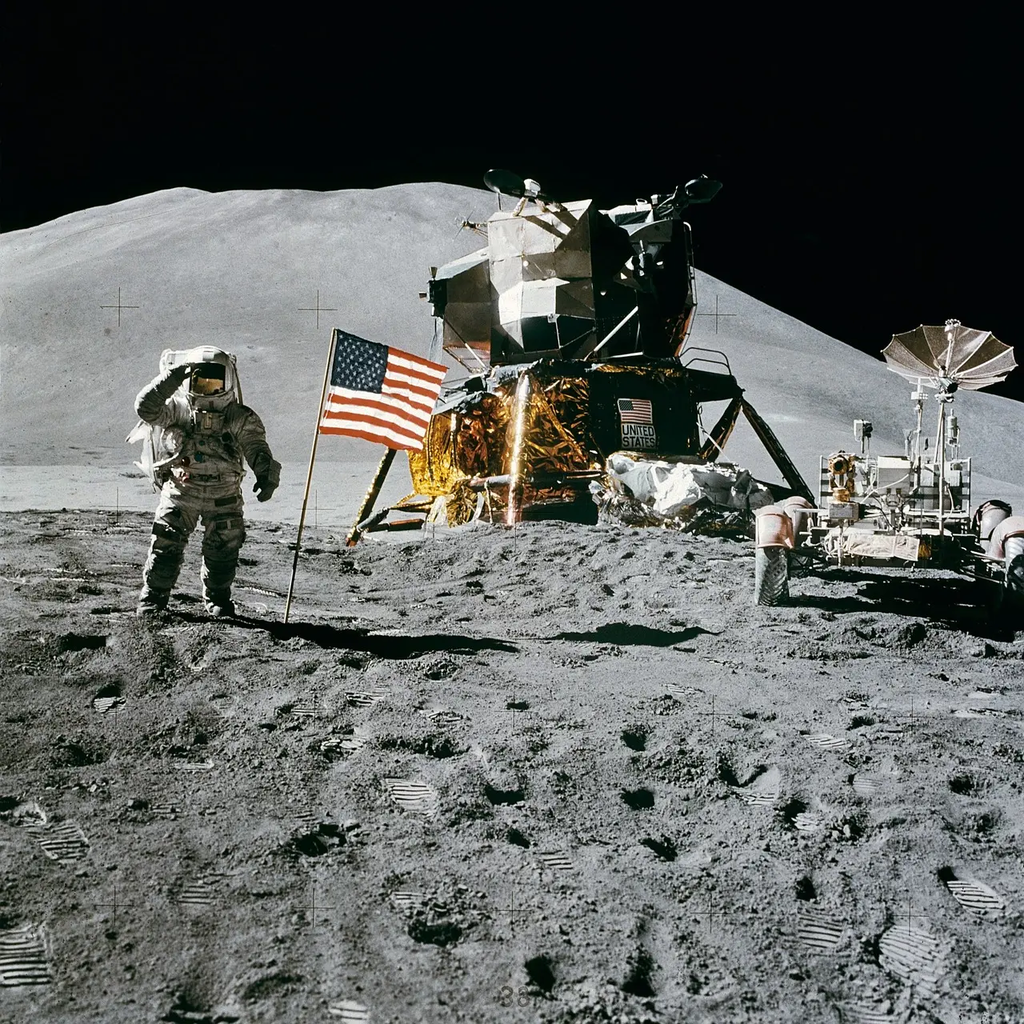
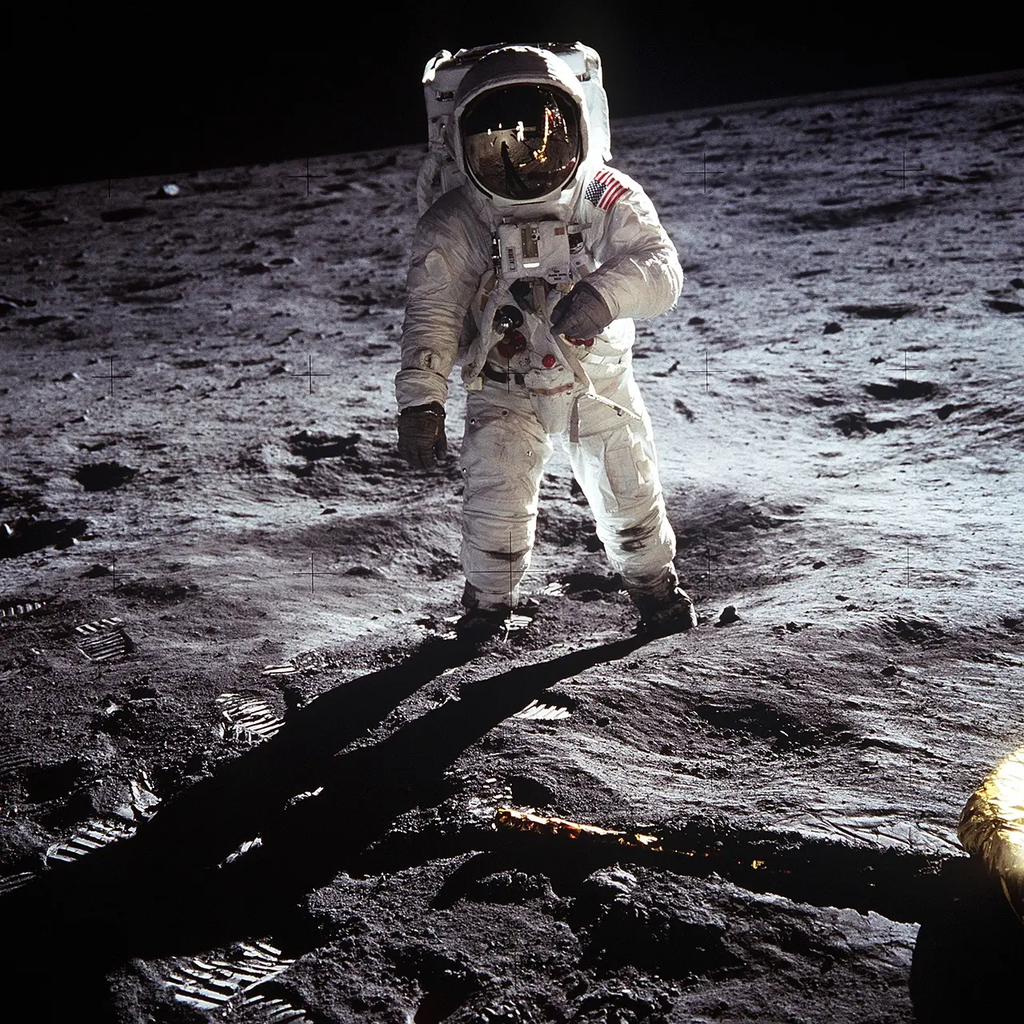
The Moon plays a crucial role in space habitats by serving as a potential site for human settlement and resource extraction. Its proximity to Earth makes it an ideal testing ground for life-support systems, construction techniques, and sustainable living in space. The Moon’s resources, such as water ice and minerals, can support life and fuel production, reducing dependence on Earth. Establishing lunar bases also paves the way for deeper space exploration and long-term human presence beyond Earth.
Moon's Role in Space Habitats
The Moon plays a crucial role in space habitats by serving as a potential site for human settlement and resource extraction. Its proximity to Earth makes it an ideal testing ground for life-support systems, construction techniques, and sustainable living in space. The Moon’s resources, such as water ice and minerals, can support life and fuel production, reducing dependence on Earth. Establishing lunar bases also paves the way for deeper space exploration and long-term human presence beyond Earth.

💡 Key Takeaways
- Learn how lunar resources like water ice and regolith can enable life support, fuel production, and habitat shielding.
- Understand design considerations for Moon-based habitats, including radiation protection, thermal management, dust mitigation, and structural stability in low lunar gravity.
- Explore how the Moon serves as a practical testbed—advancing ISRU, in-situ manufacturing, and cislunar logistics for future deep-space missions.
- Analyze energy strategies for lunar habitats, including solar power, day-night cycle management, and energy storage in the lunar environment.
- Assess how habitat location (polar vs. equatorial) and local resources influence mission planning and sustainability.
❓ Frequently Asked Questions
What does ISRU mean and why is it important for Moon habitats?
ISRU stands for In-Situ Resource Utilization. Using local Moon resources like regolith and water ice supports building materials, life support, and propellants, reducing Earth resupply.
How can lunar regolith help protect habitats from radiation?
Dense lunar soil can be used as shielding by burying habitats or covering them, significantly reducing exposure to cosmic rays and solar particle events.
How does the Moon's day-night cycle affect habitat power design?
The ~29.5-day cycle offers about 14 days of sunlight and 14 days of darkness, so habitats must store energy or use alternative power sources to operate during long lunar nights.
Why is the Moon a good stepping stone for longer space habitats?
Its proximity to Earth allows easier resupply and testing of life support, construction with local materials, and ISRU strategies before attempting deeper missions.