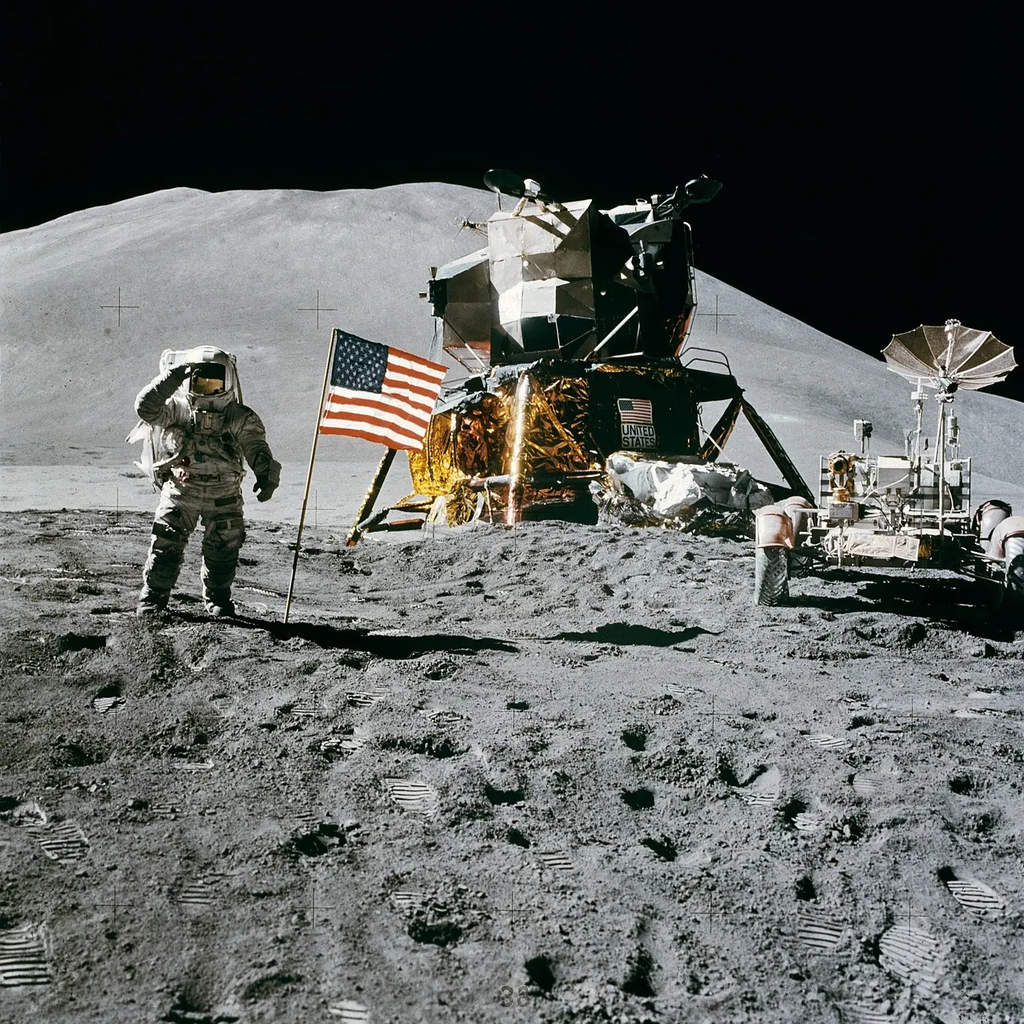
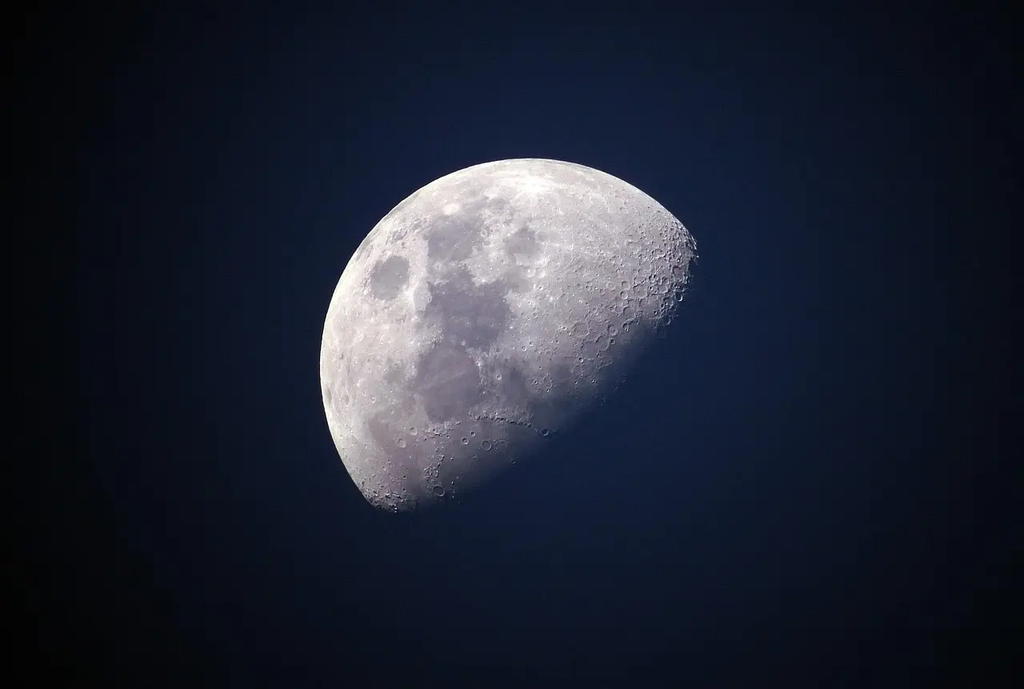
The Moon plays a crucial role in space mining due to its proximity to Earth and abundance of valuable resources like helium-3, rare earth elements, and water ice. Its low gravity makes extraction and transportation of materials more efficient compared to Earth. Establishing mining operations on the Moon could support future space missions, provide essential resources for lunar bases, and potentially supply materials for use on Earth, fostering a new era in space exploration and industry.
Moon's Role in Space Mining
The Moon plays a crucial role in space mining due to its proximity to Earth and abundance of valuable resources like helium-3, rare earth elements, and water ice. Its low gravity makes extraction and transportation of materials more efficient compared to Earth. Establishing mining operations on the Moon could support future space missions, provide essential resources for lunar bases, and potentially supply materials for use on Earth, fostering a new era in space exploration and industry.
💡 Key Takeaways
- Identify the main resources the Moon could supply for space missions (water ice, oxygen, metals).
- Understand how in-situ resource utilization (ISRU) could turn lunar material into usable propellant and life-support resources.
- Learn where on the Moon these resources are located (e.g., ice in permanently shadowed polar regions).
- Explore the challenges and considerations of lunar mining (robotics, energy needs, dust, radiation, and cost).
❓ Frequently Asked Questions
What resources on the Moon are most valuable for mining?
Water ice in permanently shadowed craters can be split into hydrogen and oxygen for life support and propellant. Oxygen bound in rocks and metals like aluminum, silicon, and titanium from the regolith are also useful; helium-3 is theorized but not yet practical.
What is ISRU and how does the Moon enable it?
ISRU stands for In-Situ Resource Utilization: using local lunar materials to produce water, oxygen, propellant, and building materials, reducing the need to carry everything from Earth.
Why is the Moon a good stepping stone for space mining?
Its proximity to Earth reduces travel time and cost, and lower gravity makes landing, mining, and moving materials easier while providing a testing ground for mining technologies.
What are the main challenges of mining on the Moon?
Harsh environment (extreme temperatures, dust, radiation), energy and communication constraints, locating deposits, and high upfront costs and regulatory questions.