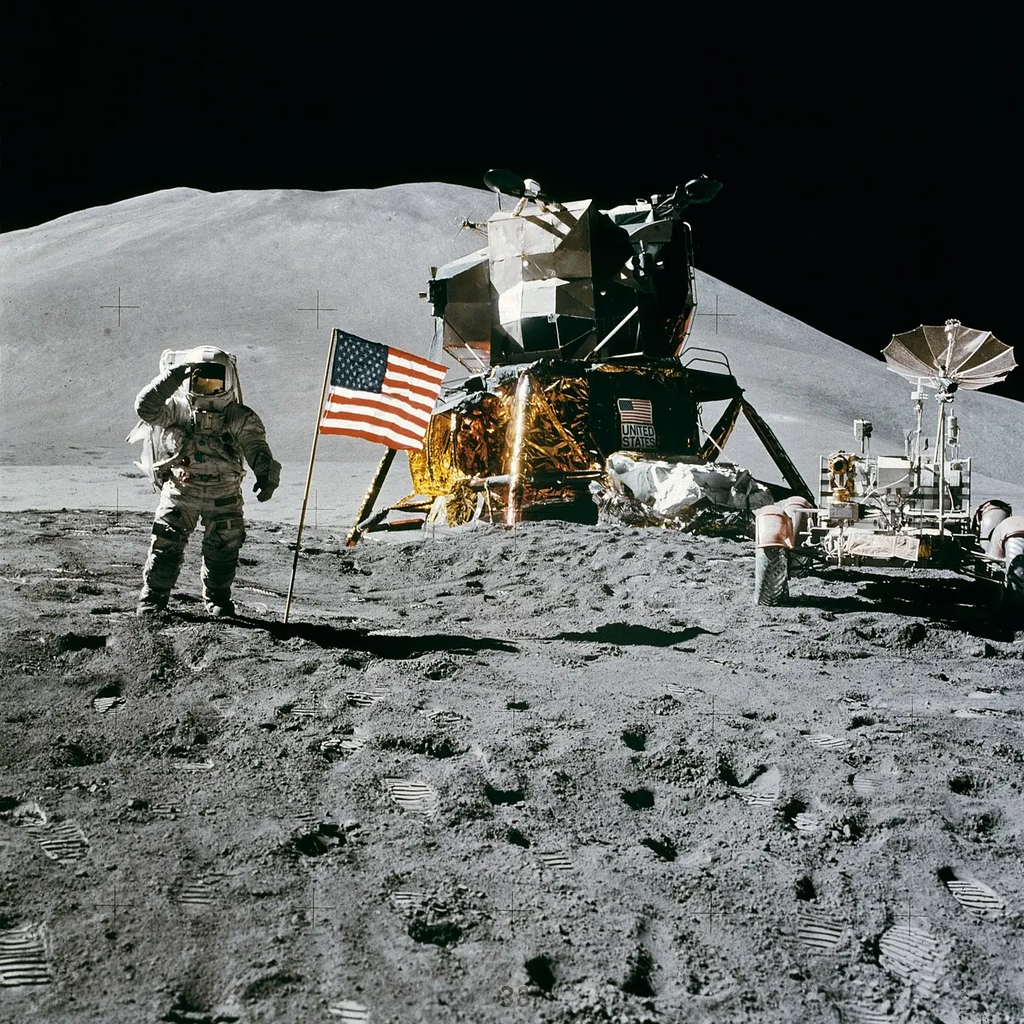
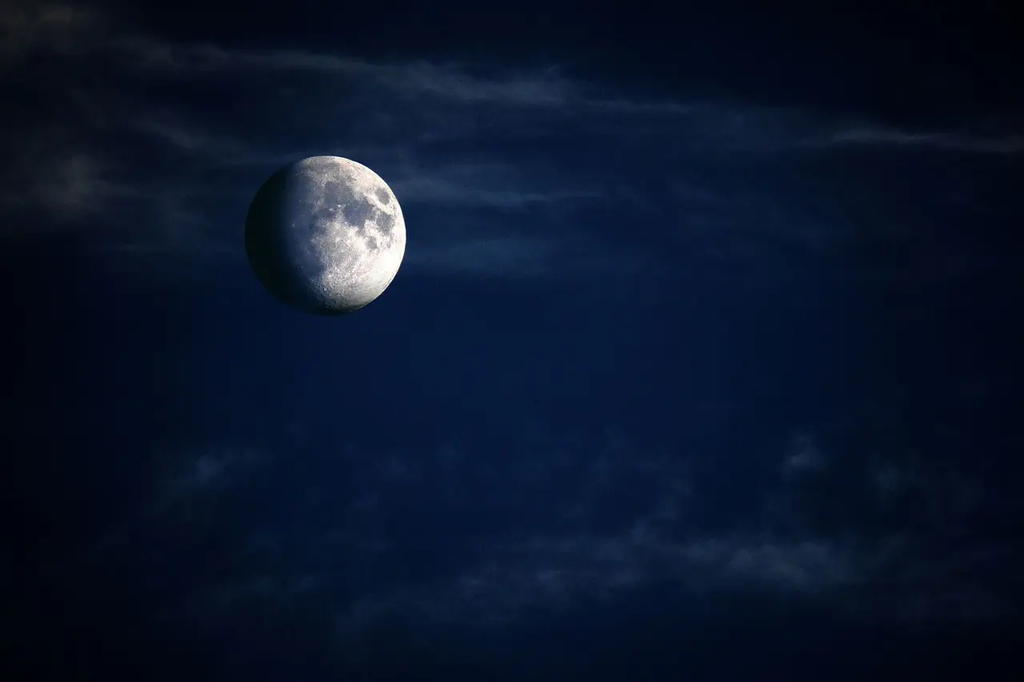
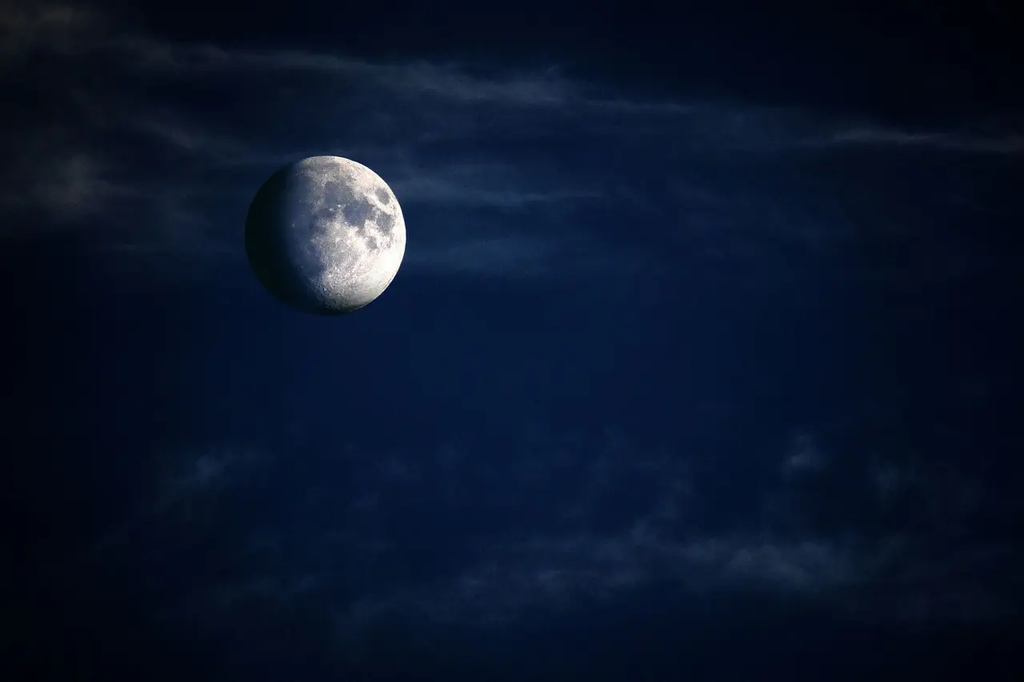
The Moon has historically played a crucial role in space navigation, serving as a reference point for spacecraft traveling within the Earth-Moon system and beyond. Its gravitational influence aids in trajectory adjustments and slingshot maneuvers, while its predictable orbit provides a stable benchmark for navigation calculations. Additionally, lunar landmarks assist in calibrating instruments and guiding missions, making the Moon an essential element in the planning and execution of space exploration.
Moon's Role in Space Navigation
The Moon has historically played a crucial role in space navigation, serving as a reference point for spacecraft traveling within the Earth-Moon system and beyond. Its gravitational influence aids in trajectory adjustments and slingshot maneuvers, while its predictable orbit provides a stable benchmark for navigation calculations. Additionally, lunar landmarks assist in calibrating instruments and guiding missions, making the Moon an essential element in the planning and execution of space exploration.
💡 Key Takeaways
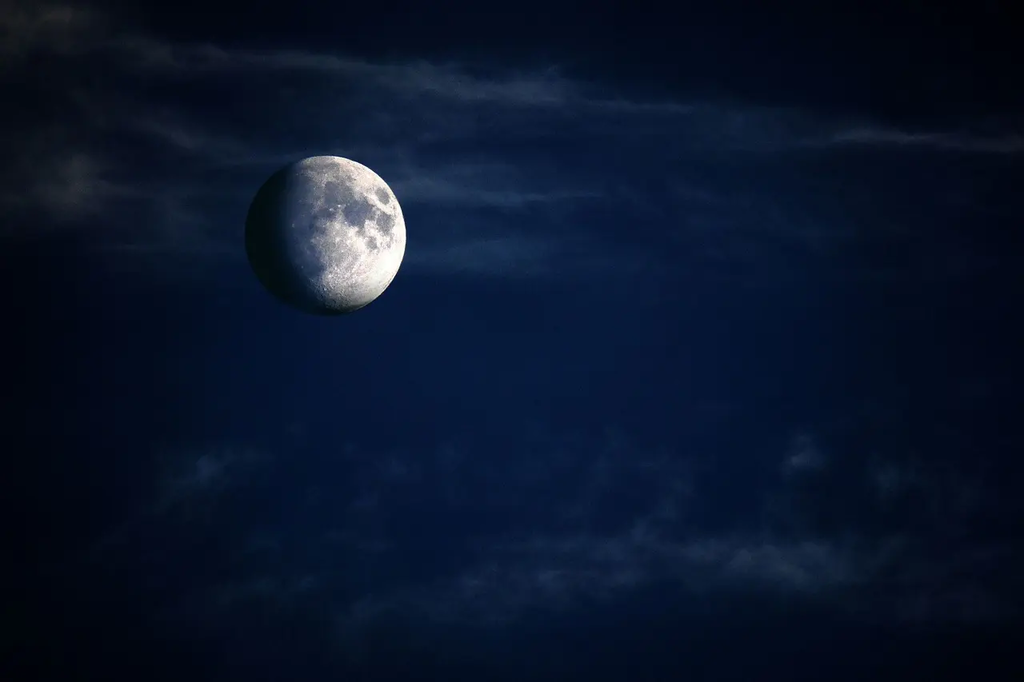
- Moon serves as a fixed reference point for navigation and mission planning in space.
- Lunar gravity assists can reshape trajectories and save fuel for interplanetary missions.
- Moon phase, libration, and orbital position influence navigation timing and ground tracking.
- Historical and modern techniques use the Moon for navigation, landmarks, and lunar coordinate systems.
❓ Frequently Asked Questions
What is the Moon's role in space navigation?
The Moon provides a stable celestial reference and a gravity source used to calibrate spacecraft tracking, plan trajectories, and execute gravity-assist maneuvers.
How can missions use the Moon for gravity assists?
A spacecraft can swing by the Moon to gain or lose speed and change direction, enabling fuel-efficient routes to other destinations or to enter lunar orbit.
What is Lunar Laser Ranging and why does it matter for navigation?
By bouncing lasers off mirrors left on the Moon, scientists measure the Earth–Moon distance precisely, improving orbital models and timing used in navigation.
How does the Moon affect spacecraft in Earth orbit?
The Moon's gravity perturbs Earth-orbiting spacecraft, so navigation models account for its pull to keep precise positioning during maneuvers and station-keeping.