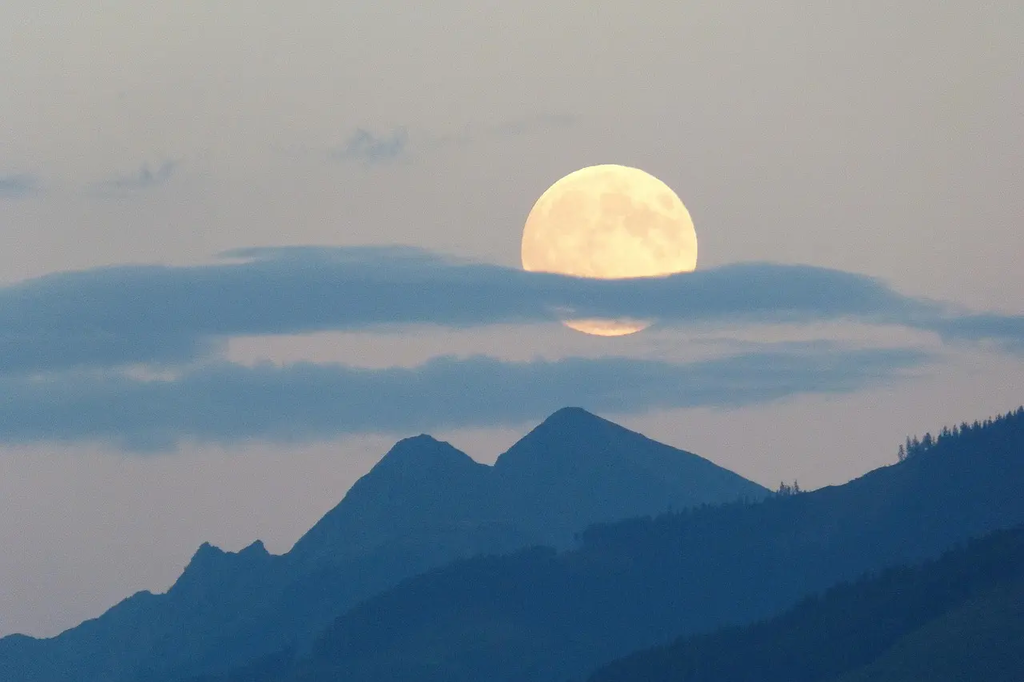
The Moon plays a pivotal role in space politics as nations vie for technological, strategic, and economic advantages beyond Earth. Its resources, such as water ice and rare minerals, attract interest for future exploration, colonization, and potential commercial exploitation. Additionally, establishing a presence on the Moon symbolizes national prestige and scientific leadership, intensifying competition among countries and private entities to secure landing sites and influence policy frameworks governing lunar activities.
Moon's Role in Space Politics
The Moon plays a pivotal role in space politics as nations vie for technological, strategic, and economic advantages beyond Earth. Its resources, such as water ice and rare minerals, attract interest for future exploration, colonization, and potential commercial exploitation. Additionally, establishing a presence on the Moon symbolizes national prestige and scientific leadership, intensifying competition among countries and private entities to secure landing sites and influence policy frameworks governing lunar activities.
💡 Key Takeaways
- Understand how international law shapes Moon activities, treaties, and political dynamics
- Identify key actors—countries, space agencies, and private companies—in lunar governance
- Compare different governance models for the Moon, including cooperation, territorial claims, and resource rights
- Explore policy challenges on the Moon, such as mining, contamination prevention, and potential militarization risks
❓ Frequently Asked Questions
What is the Moon's role in international space law?
The Moon is not owned by any country and must be used for peaceful purposes. The Outer Space Treaty bans national sovereignty and requires exploration to benefit all nations while limiting military activities.
What is the Outer Space Treaty and how does it affect the Moon?
A 1967 treaty that prohibits national appropriation of outer space, limits militarization, and mandates peaceful exploration. It establishes that the Moon and other celestial bodies are not subject to claim by any one nation.
What are the Artemis Accords and why do they matter for Moon activities?
A set of non-binding norms led by the U.S. that promote safe, cooperative lunar exploration—covering interoperability, safety, debris management, and responsible resource use to guide international missions.
Can countries or companies mine the Moon or claim resources?
The Outer Space Treaty prohibits national sovereignty over celestial bodies, but rules on resource ownership are not settled globally. Some countries have passed laws recognizing private extraction rights; a universal regime is still under discussion.