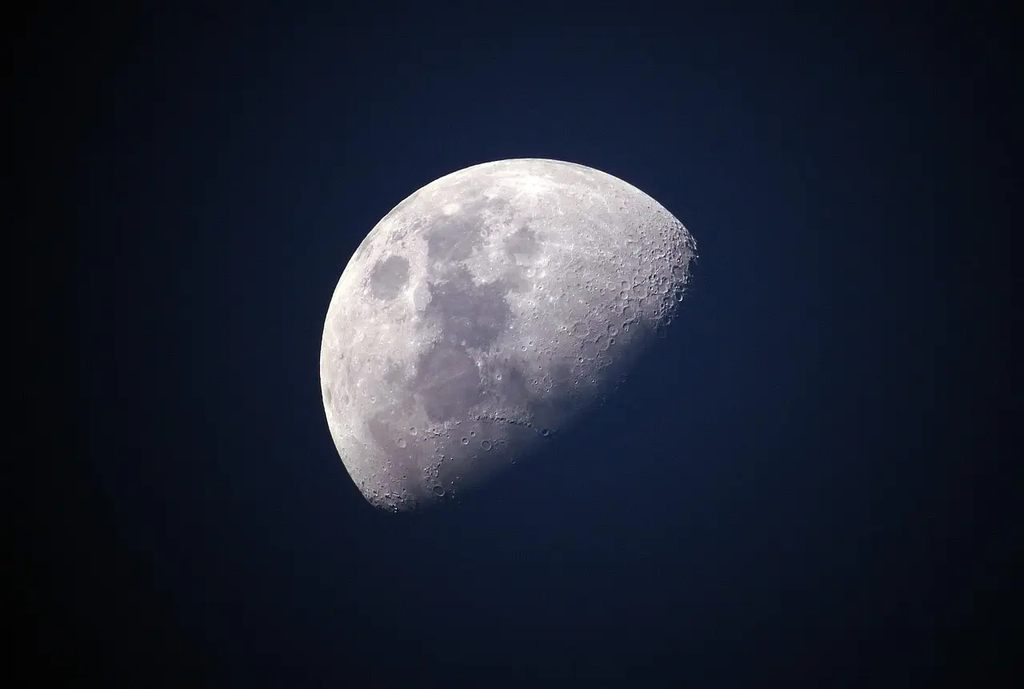
The Moon plays a crucial role in space resource management by serving as a potential hub for mining valuable materials such as helium-3, rare earth elements, and water ice. Its proximity to Earth makes it an ideal site for supporting future space missions, enabling the extraction and utilization of resources to sustain human activities in space. The Moon’s resources could reduce dependence on Earth, lower mission costs, and facilitate deeper space exploration.
Moon's Role in Space Resource Management
The Moon plays a crucial role in space resource management by serving as a potential hub for mining valuable materials such as helium-3, rare earth elements, and water ice. Its proximity to Earth makes it an ideal site for supporting future space missions, enabling the extraction and utilization of resources to sustain human activities in space. The Moon’s resources could reduce dependence on Earth, lower mission costs, and facilitate deeper space exploration.
💡 Key Takeaways
- Understand ISRU on the Moon and how lunar resources can support missions (water ice, oxygen, propellant, and construction materials).
- Identify the main lunar resources (polar water ice and volatiles; regolith minerals) and their potential uses.
- Describe the extraction and processing steps used on the Moon (mining regolith, heating to release volatiles, electrolysis to produce oxygen, and material processing for construction).
- Recognize the challenges and feasibility considerations in lunar resource management (extreme temperatures, dust, radiation, energy needs, autonomy, and cost-benefit).
❓ Frequently Asked Questions
What does ISRU stand for and why is it important on the Moon?
ISRU means in-situ resource utilization; it uses local lunar materials (like water ice and regolith) to produce water, oxygen, propellant, and building materials, reducing resupply needs from Earth.
What lunar resources are most relevant to space resource management?
Water ice for life support and fuel, oxygen extracted from lunar rocks, and metals/minerals from regolith for construction and manufacturing.
Why are the Moon’s polar regions and permanently shadowed craters important for resource work?
They host cold traps where water ice and other volatiles can accumulate and persist, enabling practical extraction and processing.
How could the Moon act as a hub for space resource activities?
Its proximity and resource abundance make it a staging base for producing propellant and materials for missions to cislunar space and beyond, reducing Earth-launched mass.