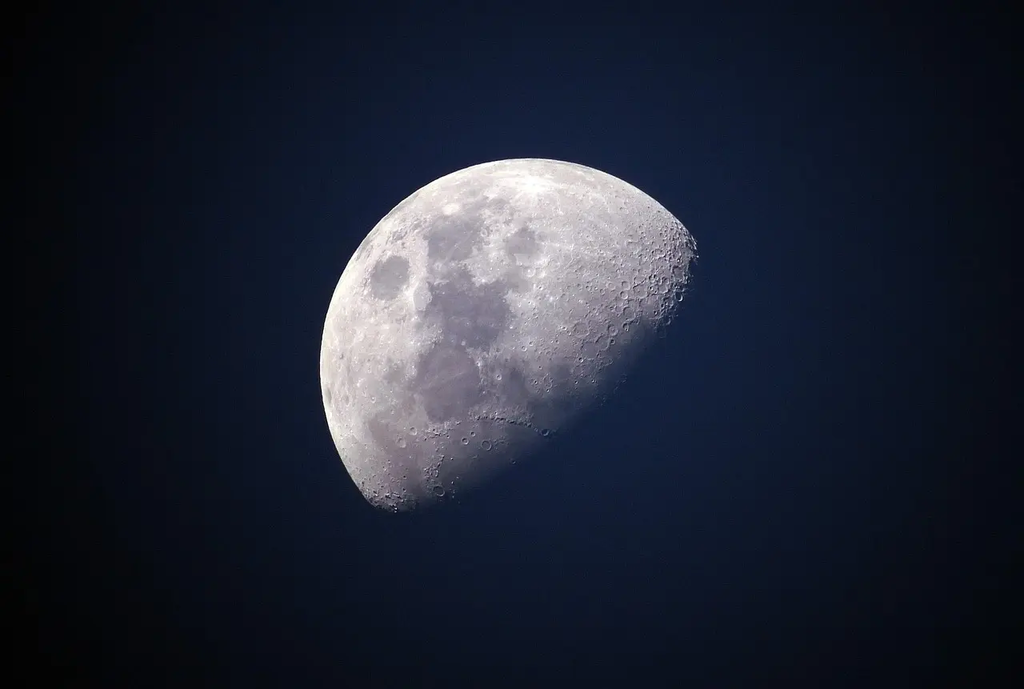
The Moon plays a crucial role in space transportation as a potential launch and refueling station for deep space missions. Its lower gravity compared to Earth makes it easier and more fuel-efficient to launch spacecraft from its surface. Additionally, the presence of resources like water ice can be converted into rocket fuel, supporting longer journeys to Mars and beyond. The Moon thus acts as a strategic gateway for future space exploration.
Moon's Role in Space Transportation
The Moon plays a crucial role in space transportation as a potential launch and refueling station for deep space missions. Its lower gravity compared to Earth makes it easier and more fuel-efficient to launch spacecraft from its surface. Additionally, the presence of resources like water ice can be converted into rocket fuel, supporting longer journeys to Mars and beyond. The Moon thus acts as a strategic gateway for future space exploration.
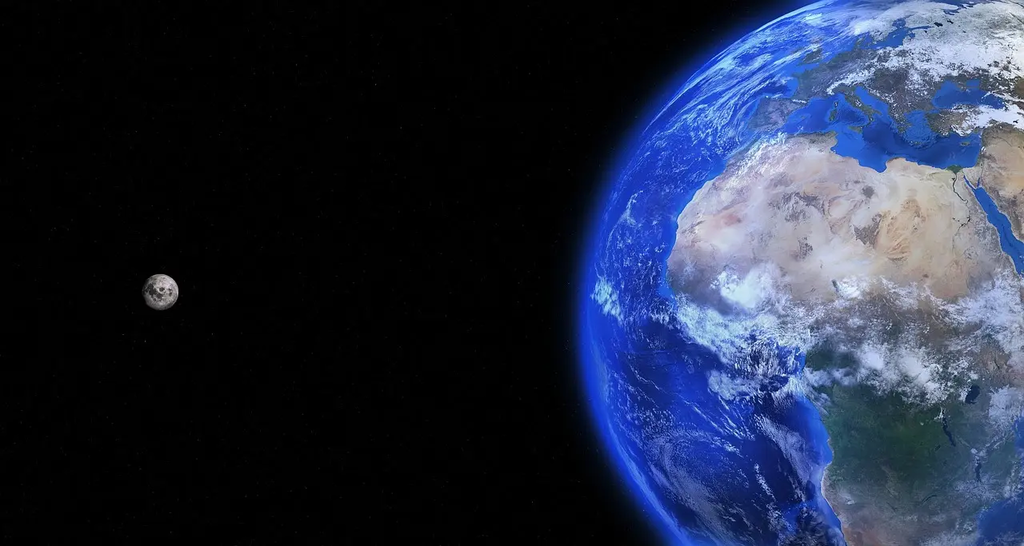
💡 Key Takeaways
- Explain how the Moon can serve as a staging post for cislunar missions.
- Describe how lunar water ice enables in-situ propellant production and refueling.
- Compare delta-v requirements for Moon launches vs. Earth launches and the implications for transport design.
- Identify key challenges of Moon-based transport, including surface logistics and radiation shielding.
❓ Frequently Asked Questions
What is the Moon's role in space transportation?
A nearby stepping-stone for deeper space missions, a testbed for new systems, and a potential source of propellants via lunar resources.
How could lunar ice support refueling for missions beyond the Moon?
Ice mined from the Moon can be processed into water and split into hydrogen and oxygen, providing rocket fuel for spacecraft in lunar orbit or on long trips.
What does ISRU stand for and why is it important for Moon-based transportation?
ISRU stands for In-Situ Resource Utilization. Using local materials like water ice lowers launch mass and cost, enabling sustained operations.
What transportation concepts could use the Moon as a hub?
Lunar surface-to-orbit transfers, orbital refueling depots, and lunar landers that move cargo and crew between the surface and lunar orbit.
Why is the Moon considered a gateway for exploration?
Its proximity makes it cheaper and safer to test technologies, develop ISRU-based refueling, and practice operations before venturing to Mars or asteroids.