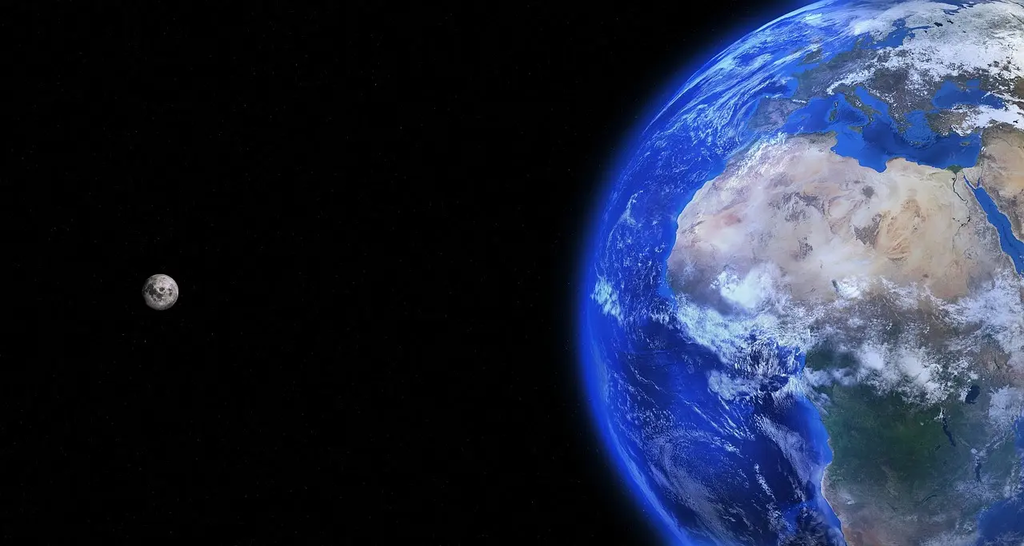
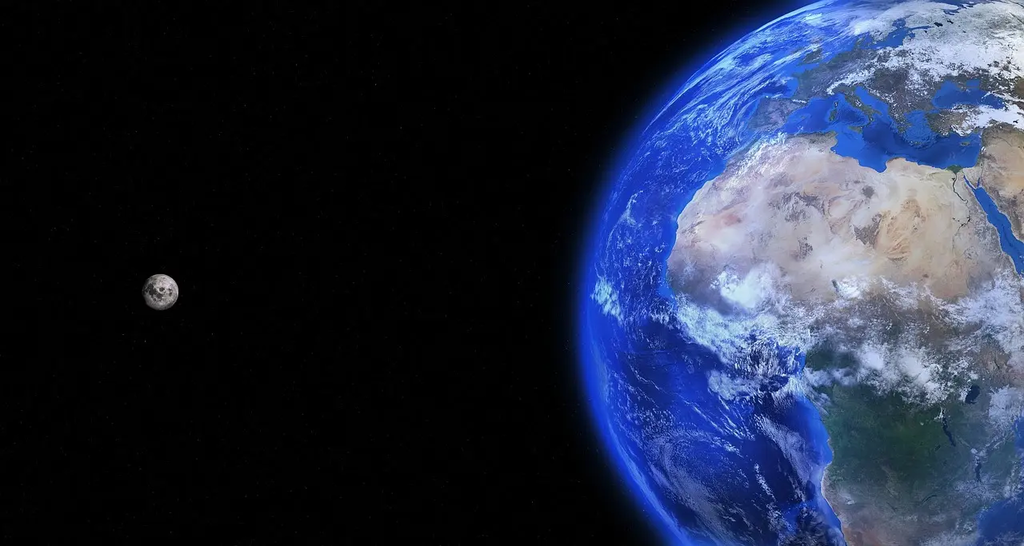
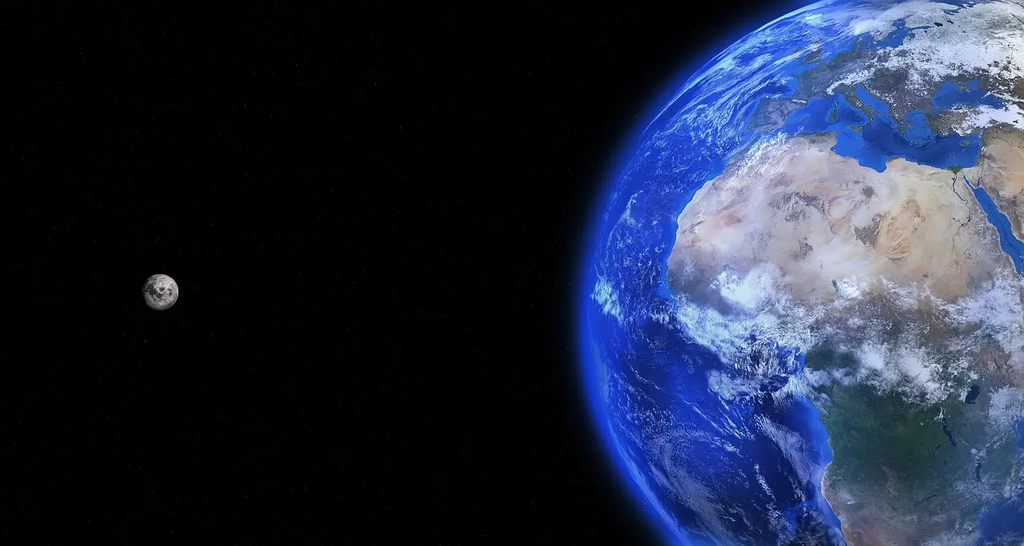
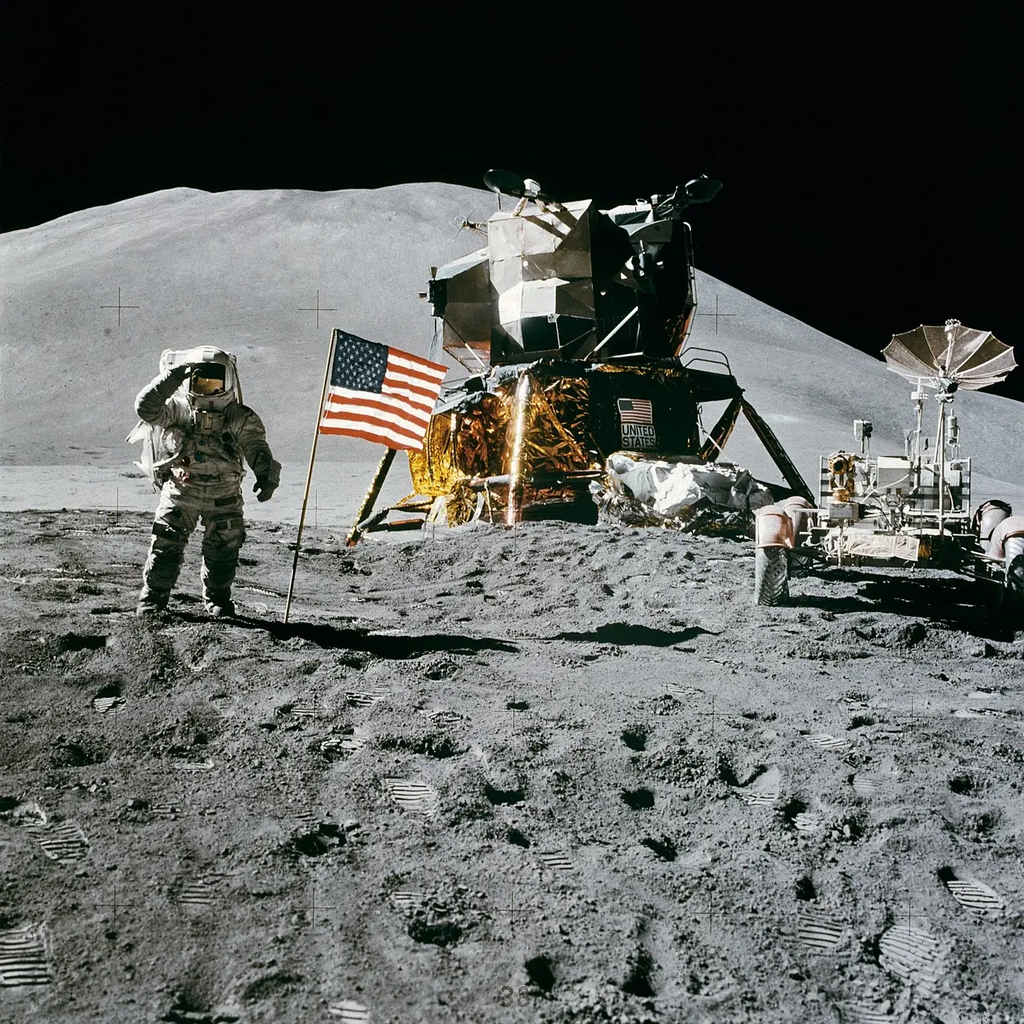
The Moon plays a crucial role in space travel as both a destination and a stepping stone for deeper space exploration. Its proximity to Earth makes it an ideal testing ground for new technologies, spacecraft, and life-support systems. The Moon’s low gravity also allows for easier launches to other planets, and its resources, such as water ice, could support long-term missions. Studying the Moon helps scientists understand the broader universe and prepare for future journeys beyond Earth.
Moon's Role in Space Travel
The Moon plays a crucial role in space travel as both a destination and a stepping stone for deeper space exploration. Its proximity to Earth makes it an ideal testing ground for new technologies, spacecraft, and life-support systems. The Moon’s low gravity also allows for easier launches to other planets, and its resources, such as water ice, could support long-term missions. Studying the Moon helps scientists understand the broader universe and prepare for future journeys beyond Earth.
💡 Key Takeaways
- Explain how the Moon's gravity and position influence mission design and propulsion requirements.
- Explore how the Moon can serve as a stepping stone to deeper space missions (habitats, refueling, testing tech).
- Identify lunar resources (e.g., water ice) and how they support life support and propellant production.
- Recognize the main challenges of lunar surface operations (radiation, temperature cycles, dust, comms) and common mitigation strategies.
- Summarize current and planned cislunar architectures (Artemis, Lunar Gateway) and how they enable future exploration.
❓ Frequently Asked Questions
What makes the Moon a useful stepping stone for space travel?
Its proximity to Earth lets quick practice missions, provides a familiar gravity well for training, and offers a testing ground for habitats, life-support systems, and propulsion concepts before deep-space flights.
How does the Moon influence spacecraft trajectories?
The Moon’s gravity can alter a spacecraft’s path, enabling lunar orbits, flybys, and gravity-assisted routes that save propellant and help plan mission segments.
What is a free-return trajectory and why is it important?
A free-return path uses the Moon’s gravity to swing a spacecraft back toward Earth if main propulsion or systems fail, providing a built-in abort option for crewed missions.
What resources or features on the Moon could support longer missions?
Presence of water ice for fuel and life support, accessible regolith for construction, and potential solar power opportunities make the Moon a potential base for longer missions.