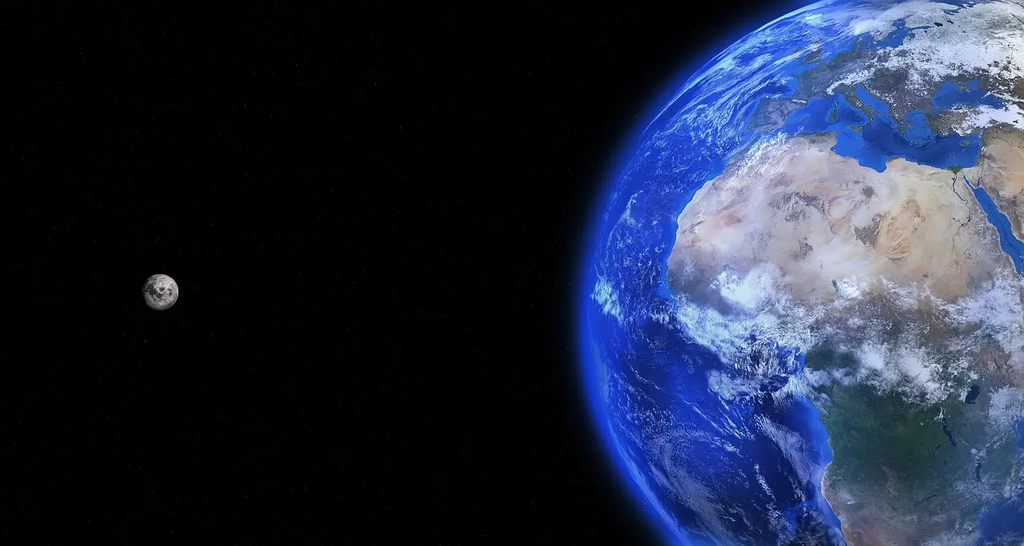
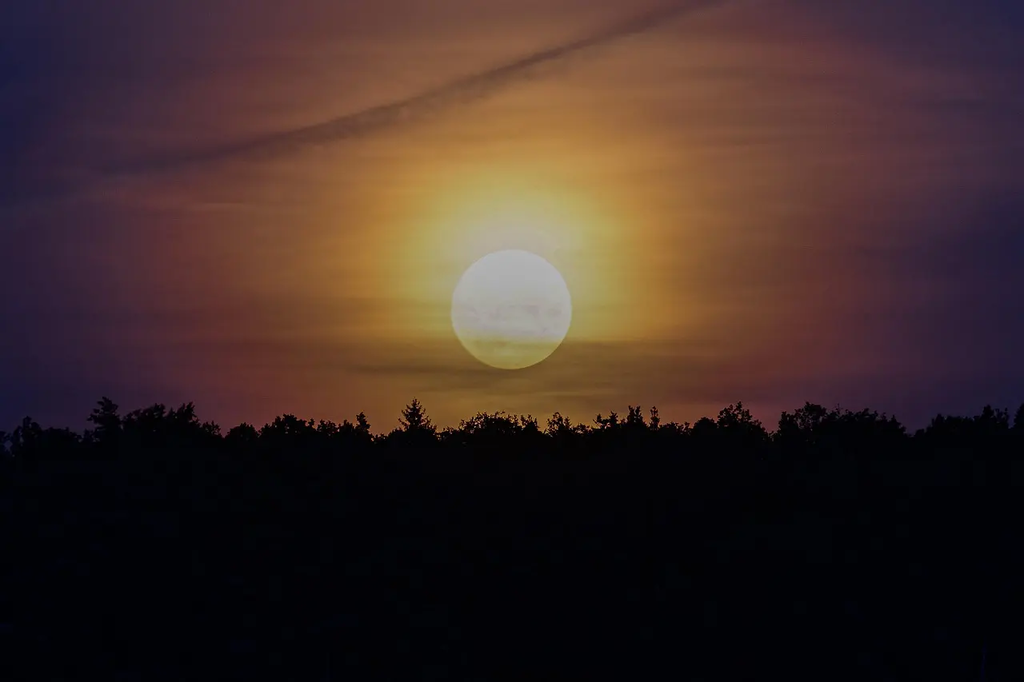
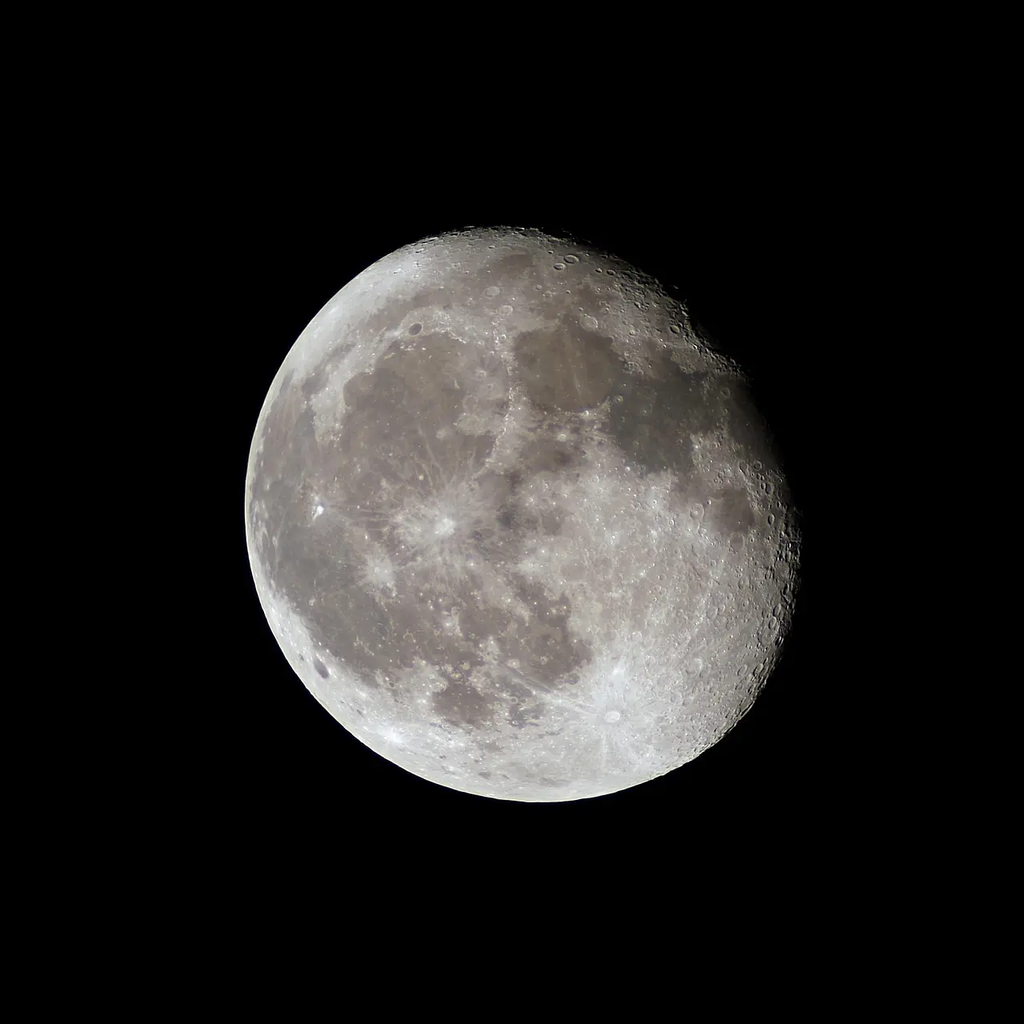
The Moon has played a crucial role in timekeeping throughout human history. Its regular phases—new, waxing, full, and waning—provided early civilizations with a natural and reliable calendar. Many ancient cultures based their months on the lunar cycle, which lasts about 29.5 days. Even today, some calendars and religious observances follow lunar months, highlighting the Moon’s enduring influence on how we measure and organize time.
Moon's Role in Timekeeping
The Moon has played a crucial role in timekeeping throughout human history. Its regular phases—new, waxing, full, and waning—provided early civilizations with a natural and reliable calendar. Many ancient cultures based their months on the lunar cycle, which lasts about 29.5 days. Even today, some calendars and religious observances follow lunar months, highlighting the Moon’s enduring influence on how we measure and organize time.
💡 Key Takeaways
- Understand how the Moon's phases structure time into days and months.
- Grasp the synodic month (about 29.53 days) and how it underpins lunar timekeeping.
- Compare lunar, solar, and lunisolar calendars and how they align with days, months, and seasons.
- Recognize the Islamic calendar as purely lunar, with months that drift through the year.
- Learn how lunisolar calendars add leap months to keep lunar months in sync with the solar year.
❓ Frequently Asked Questions
How does the Moon influence timekeeping across cultures?
Many cultures used the Moon’s roughly monthly cycle to mark time, creating months based on its phases and the appearance of new moons.
What is a synodic month and why does it matter for calendars?
A synodic month is about 29.53 days—the time between successive new moons. It forms the basis for lunar months used in several calendars.
What is a lunisolar calendar, and how does it stay aligned with the seasons?
A lunisolar calendar uses lunar months but adds leap months or days to keep the year aligned with the solar year and the seasons.
Do we still use Moon-based timekeeping today?
Most of the world uses solar calendars like the Gregorian one, but lunar and lunisolar calendars remain important for certain religious and cultural observances (e.g., Islamic, Hebrew, and Chinese calendars).