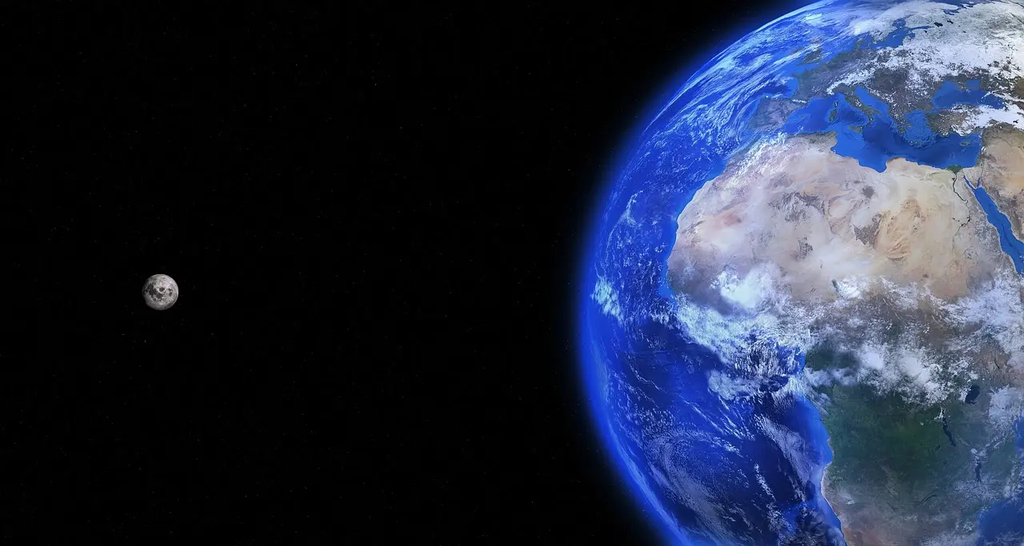
The Moon serves as a crucial stepping stone for universal exploration, acting as both a testing ground and launchpad for deeper space missions. Its proximity to Earth allows scientists to develop and refine technologies needed for long-duration space travel. Studying the Moon’s surface and environment provides valuable insights into planetary formation and the solar system’s history, while its resources, such as water ice, could support future missions to Mars and beyond.
Moon's Role in Universal Exploration
The Moon serves as a crucial stepping stone for universal exploration, acting as both a testing ground and launchpad for deeper space missions. Its proximity to Earth allows scientists to develop and refine technologies needed for long-duration space travel. Studying the Moon’s surface and environment provides valuable insights into planetary formation and the solar system’s history, while its resources, such as water ice, could support future missions to Mars and beyond.

💡 Key Takeaways
- Understand why the Moon acts as a gateway to deeper space exploration.
- Identify major lunar missions (Apollo, Luna, Chang'e, Artemis) and what they taught us for future exploration.
- Explore lunar science concepts (crater dating, water ice, regolith) and their relevance to planning missions.
- Learn how testing and operations on the Moon inform technology, systems, and international collaboration for exploring other worlds.
❓ Frequently Asked Questions
Why is the Moon a stepping-stone for universal exploration?
It's Earth’s neighbor—easier and cheaper to reach than deep space, providing a safe testing ground for habitats, life support, and logistics before venturing farther.
What Moon resources could aid future missions?
Polar water ice can be split into oxygen and hydrogen for life support and fuel; lunar soil can be used for construction; sunlight on the day side enables power.
How does the Moon help test exploration technologies?
Its low gravity, vacuum, and day–night cycle allow practice with landers, rovers, ISRU, and communication systems in a near-Earth setting.
What are common misconceptions about the Moon’s role?
Some think it’s just a distant target; in reality it’s a practical platform for tech development, resource utilization, and mission rehearsal for deeper space.