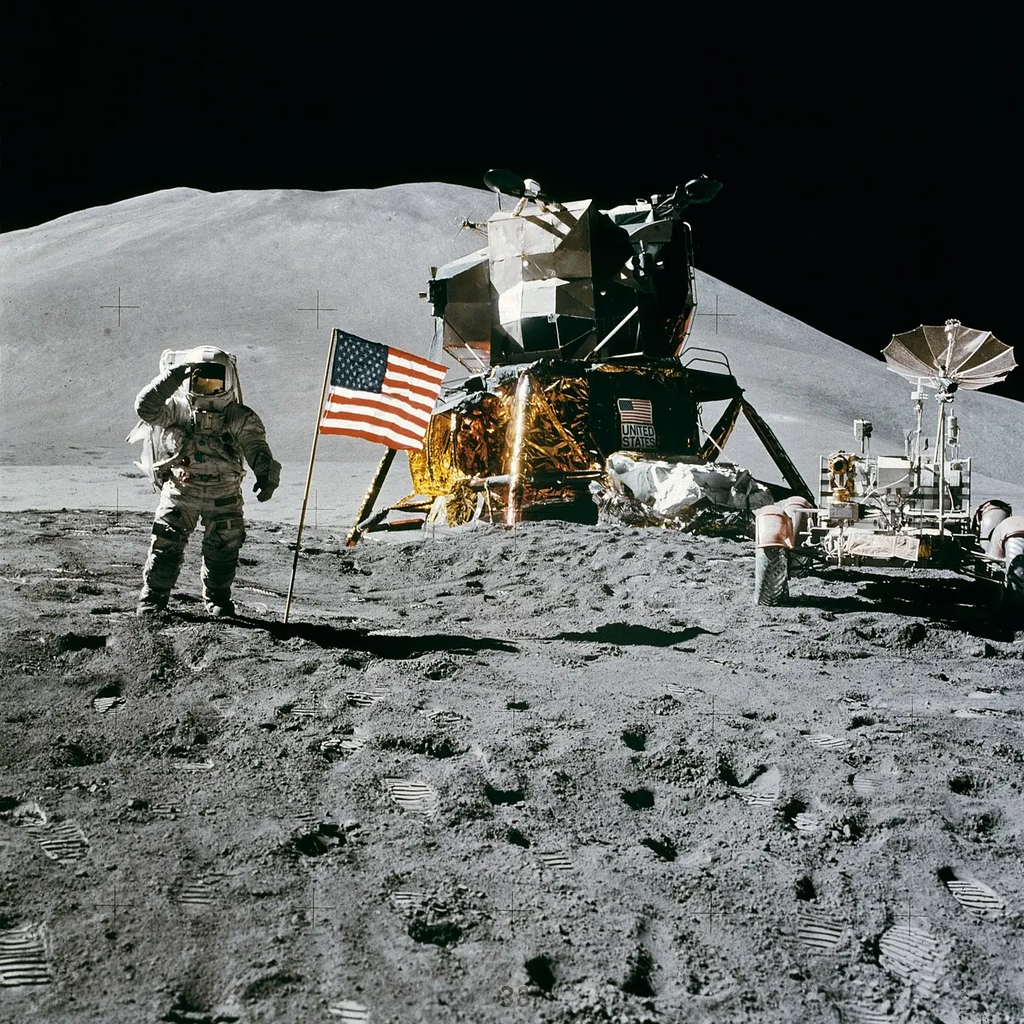
Moon's seismic activity refers to the occurrence of moonquakes—vibrations or tremors within the Moon’s crust, detected by seismometers left by Apollo missions. These quakes can be caused by tidal forces from Earth, meteorite impacts, or thermal expansion as the lunar surface warms and cools. Studying these seismic events helps scientists understand the Moon’s internal structure, geological history, and ongoing processes beneath its surface.
Moon's Seismic Activity
Moon's seismic activity refers to the occurrence of moonquakes—vibrations or tremors within the Moon’s crust, detected by seismometers left by Apollo missions. These quakes can be caused by tidal forces from Earth, meteorite impacts, or thermal expansion as the lunar surface warms and cools. Studying these seismic events helps scientists understand the Moon’s internal structure, geological history, and ongoing processes beneath its surface.
💡 Key Takeaways
- Understand what moonquakes are and how they were detected by seismometers deployed on the Moon during the Apollo missions.
- Learn about the different types of moonquakes (shallow, deep, and thermal) and what causes each.
- Discover how lunar seismic data helps scientists infer the Moon's interior structure, including crust and core properties.
- Compare lunar seismic activity with Earth's, noting the effects of the Moon's lack of atmosphere and plate tectonics.
- Consider how this knowledge informs the design and safety of future lunar missions and habitats.
❓ Frequently Asked Questions
What is seismic activity on the Moon?
Moonquakes are seismic events recorded by seismometers left on the Moon by Apollo astronauts; they are rarer and generally weaker than earthquakes, though some can last longer.
What causes Moonquakes?
Tidal stresses from Earth's gravity, extreme day–night temperature swings causing thermal quakes, and occasional meteorite impacts can trigger Moonquakes.
How are Moonquakes detected and studied?
Seismometers placed on the Moon collect vibrations; analysis helps reveal the Moon's interior, including crust and mantle properties.
How do Moonquakes differ from earthquakes on Earth?
Moonquakes are less frequent and can last longer, and their shaking is influenced by the Moon's different interior and lack of atmosphere.
Why is Moon seismic data important for future missions?
It informs the design of habitats and equipment and improves our understanding of the Moon’s structure and history.