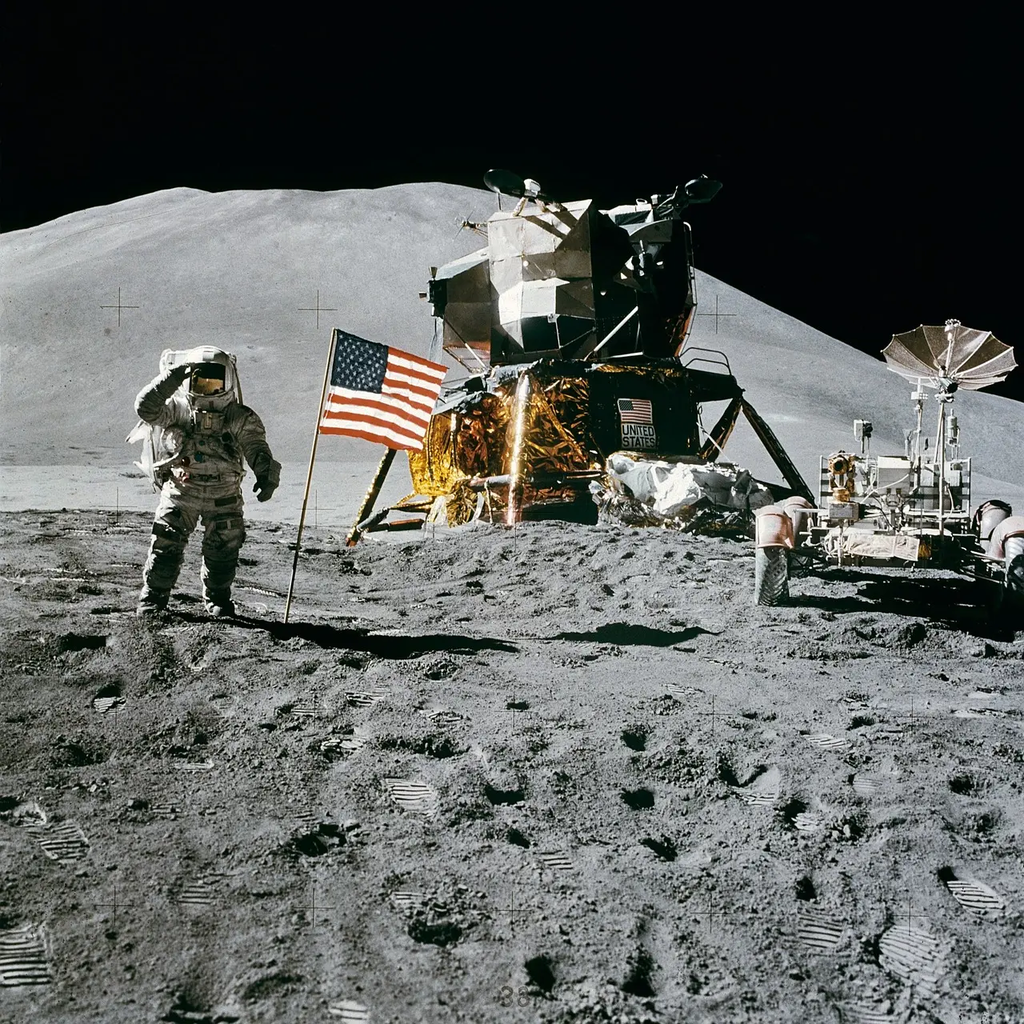
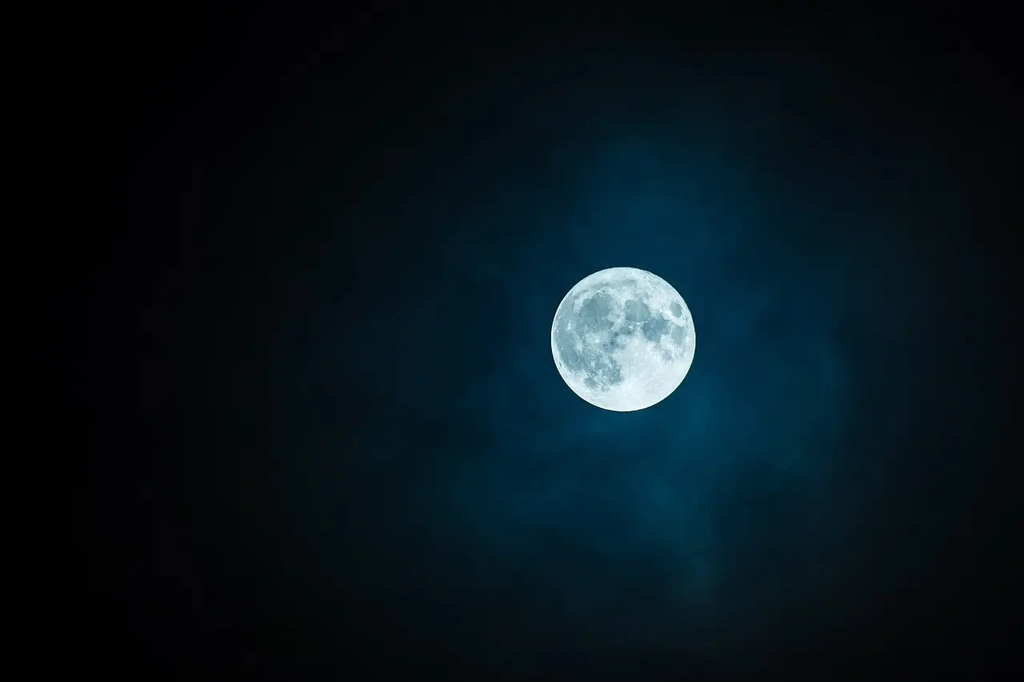
Moon's surface exploration refers to the scientific study and investigation of the lunar terrain through robotic and human missions. This includes landing spacecraft, rovers, and astronauts on the Moon to analyze its soil, rocks, and geological features. Such exploration helps scientists understand the Moon’s origin, composition, and history, as well as its potential resources. It also provides valuable insights for future space missions and the possibility of establishing lunar bases.
Moon's Surface Exploration
Moon's surface exploration refers to the scientific study and investigation of the lunar terrain through robotic and human missions. This includes landing spacecraft, rovers, and astronauts on the Moon to analyze its soil, rocks, and geological features. Such exploration helps scientists understand the Moon’s origin, composition, and history, as well as its potential resources. It also provides valuable insights for future space missions and the possibility of establishing lunar bases.
💡 Key Takeaways
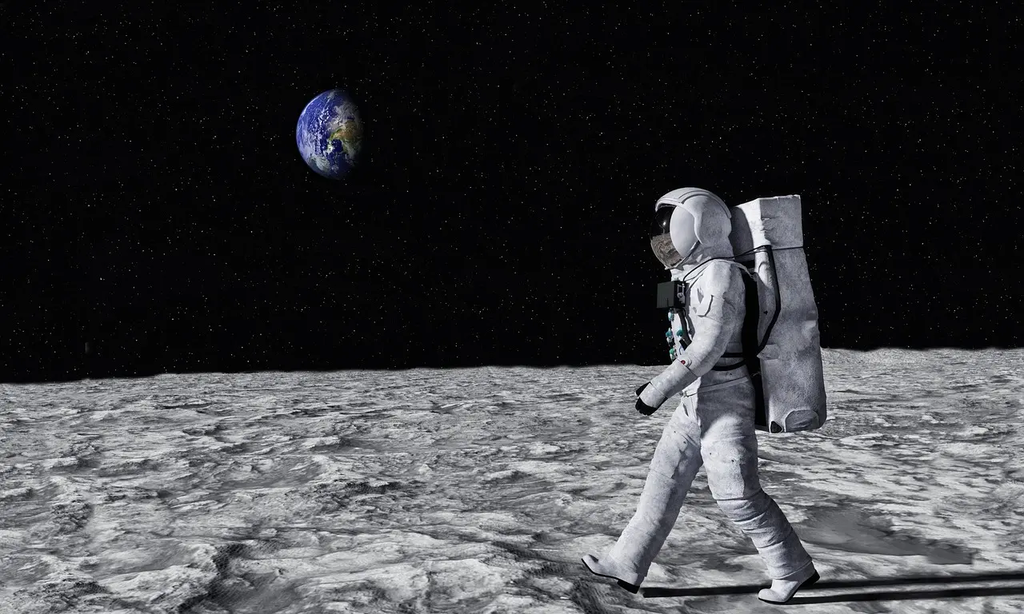
- Understand the primary goals and milestones in exploring the Moon's surface
- Identify key lunar surface features (maria, highlands, craters) and what they reveal
- Learn the main methods used to study the Moon's surface (orbital imagery, landers, sample return missions)
- Recognize the challenges of lunar surface exploration (dust, radiation, extreme temperatures) and how missions mitigate them
❓ Frequently Asked Questions
What is lunar regolith and why is it important for exploration?
Lunar regolith is the layer of loose rock and dust on the Moon's surface, formed by micrometeorite impacts. It affects landing, drilling, and rover movement, and holds clues about the Moon's history.
What is a lunar mare, and why do explorers care about it?
Mare are dark, flat plains formed by ancient basalt lava flows. They provide smoother landing sites and help scientists study the Moon's volcanic past.
How do scientists study the Moon's surface?
Scientists study it with orbiters that map and analyze composition, landers/rovers that sample rocks and run experiments, and missions that return lunar material to Earth.
What challenges must be overcome when exploring the Moon's surface?
Extreme temperatures, high radiation, abrasive regolith, and micrometeorite impacts pose hazards to both equipment and astronauts.
How do scientists estimate the age of Moon rocks and surfaces?
By radiometric dating of rocks and crater counting; crater density helps infer surface ages, often corroborated by returned samples.