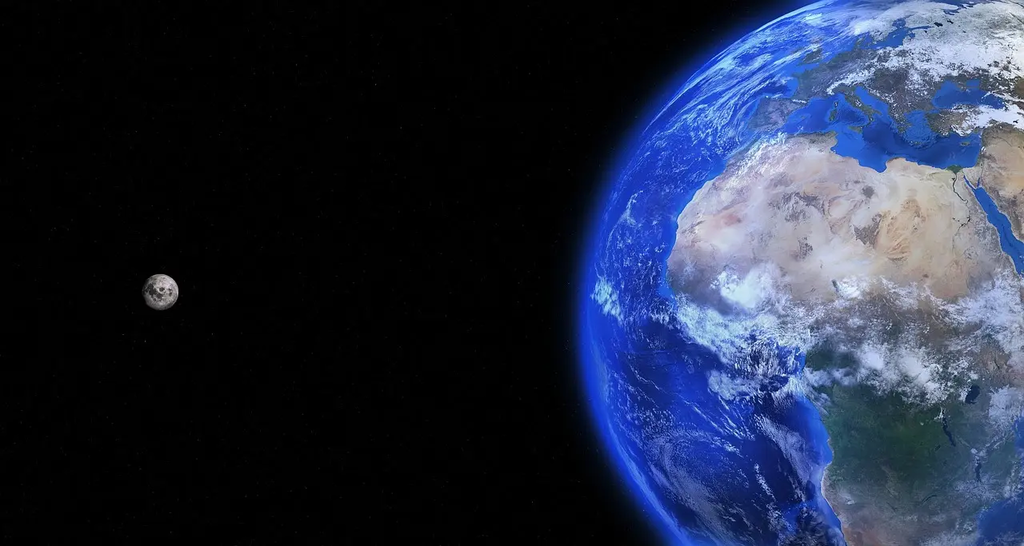
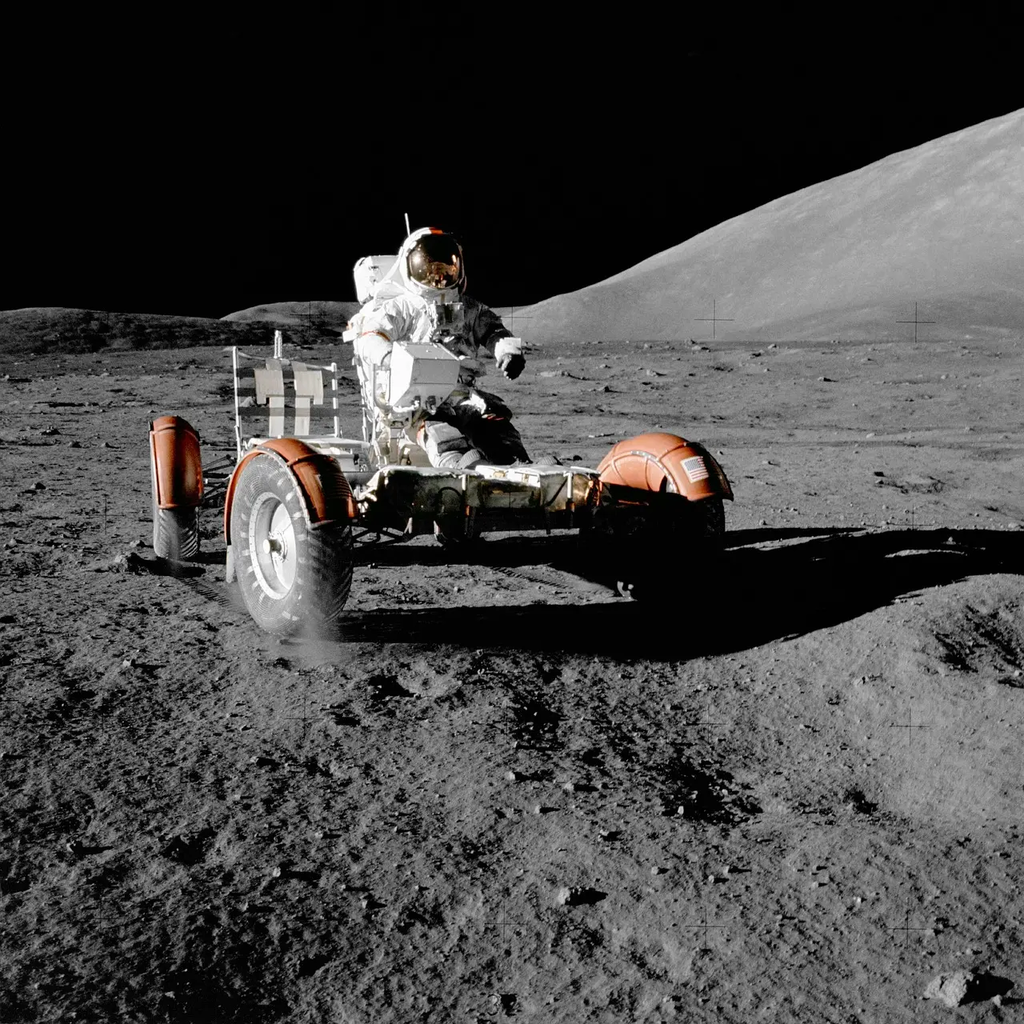
The Moon’s surface experiences extreme temperature variations due to its lack of atmosphere. During lunar daytime, temperatures can soar to about 127°C (260°F), while at night, they can plummet to around -173°C (-280°F). These drastic changes occur because there is no atmosphere to retain heat or distribute it evenly. The temperature swings make the Moon’s environment harsh and challenging for both robotic and human exploration.
Moon's Surface Temperature Variations
The Moon’s surface experiences extreme temperature variations due to its lack of atmosphere. During lunar daytime, temperatures can soar to about 127°C (260°F), while at night, they can plummet to around -173°C (-280°F). These drastic changes occur because there is no atmosphere to retain heat or distribute it evenly. The temperature swings make the Moon’s environment harsh and challenging for both robotic and human exploration.
💡 Key Takeaways
- Explain why the Moon's surface has extreme temperature swings between day and night.
- Describe how the Moon's lack of atmosphere and regolith influence heat transfer and retention.
- Recall typical daytime and nighttime surface temperatures on the Moon (roughly +100°C to +130°C during the day and around -170°C at night).
- Discuss how these temperature variations affect lunar missions, equipment, and exploration planning.
❓ Frequently Asked Questions
Why does the Moon experience extreme day-night temperature swings?
Because it has almost no atmosphere to trap heat and a long day–night cycle (about 29.5 Earth days). The sunlit surface can reach around 100°C, while the dark surface can drop to roughly −170°C; the regolith’s low thermal inertia makes these changes rapid.
What is thermal inertia and how does it relate to the Moon’s surface?
Thermal inertia is a material’s resistance to temperature change. The Moon’s regolith has low thermal inertia, so its surface heats quickly in sunlight and cools quickly after sunset, producing large temperature swings.
How do scientists measure the Moon’s surface temperature?
Using infrared measurements from orbiting spacecraft (e.g., the Diviner Lunar Radiometer on LRO) and Earth‑based infrared observations; some missions also measure near-surface temperatures with landers.
Do temperatures vary across different locations on the Moon?
Yes. Equatorial regions show large day–night swings, while permanently shadowed polar craters become extremely cold; sunlit polar regions can be warmer, but local terrain, shadows, and albedo create microclimates.