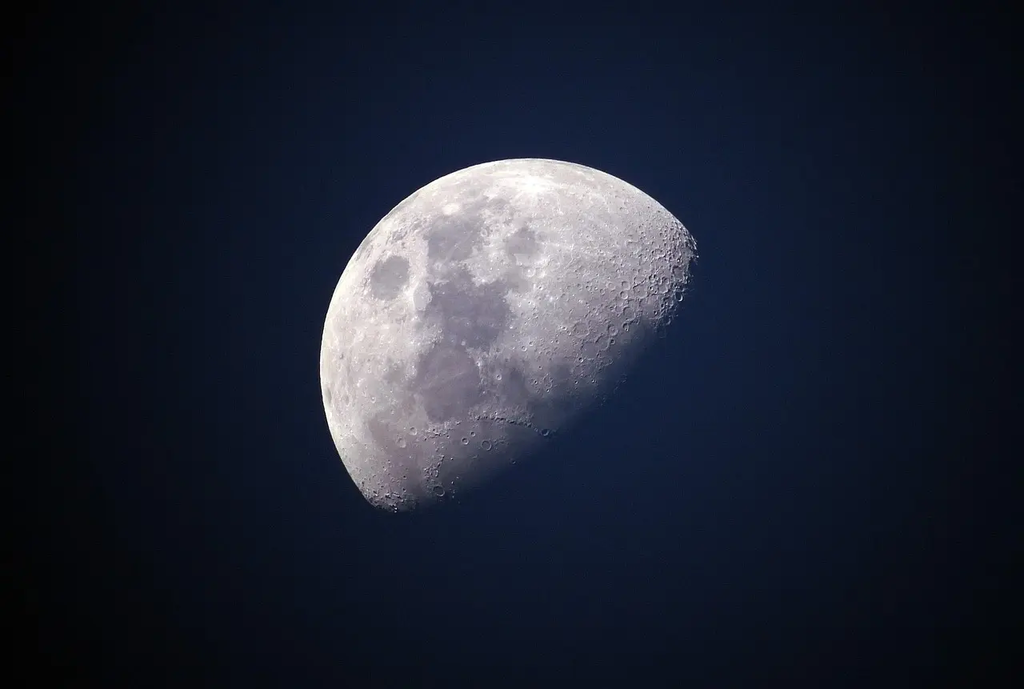
The Moon’s temperature varies drastically due to its lack of atmosphere. During lunar daytime, surface temperatures can soar to about 127°C (260°F) under direct sunlight. At night, without the sun’s warmth, temperatures plummet to around -173°C (-280°F). In space, away from the Sun, temperatures drop even lower, but in sunlight, objects can heat up quickly. These extremes make the Moon a challenging environment for exploration and habitation.
Moon's Temperature+50
The Moon’s temperature varies drastically due to its lack of atmosphere. During lunar daytime, surface temperatures can soar to about 127°C (260°F) under direct sunlight. At night, without the sun’s warmth, temperatures plummet to around -173°C (-280°F). In space, away from the Sun, temperatures drop even lower, but in sunlight, objects can heat up quickly. These extremes make the Moon a challenging environment for exploration and habitation.

💡 Key Takeaways
- Understand how the Moon's surface temperature swings between extreme day and night due to the lack of a meaningful atmosphere.
- Learn the approximate temperature ranges during the lunar day and lunar night and why such extremes occur.
- Explore how lunar regolith and thermal inertia influence surface temperature changes.
- Recognize how temperature data informs mission planning, habitat design, and equipment survivability on the Moon.
❓ Frequently Asked Questions
What is the Moon's surface temperature range?
The Moon's surface ranges from about -173°C during the long lunar night to about 127°C in direct sunlight.
Why does the Moon experience such extreme temperature changes?
Because it has almost no atmosphere to insulate or distribute heat, and its day/night cycle lasts about 14 Earth days each.
How do scientists measure Moon temperatures?
Thermometers and infrared radiometers on landers, rovers, and orbiters monitor surface heat and temperature variations.
How does Moon temperature affect missions or future exploration?
Thermal design is crucial: spacecraft and habitats need insulation and heaters to cope with extreme temperatures and prevent equipment failure.