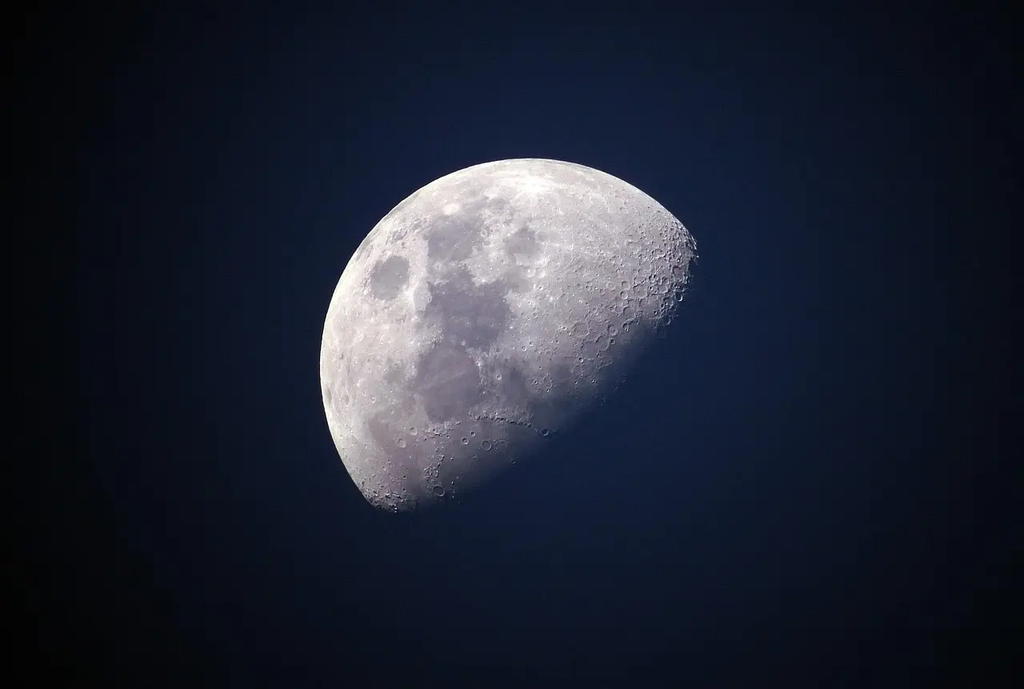
Moon’s volcanic activity refers to the ancient eruptions and lava flows that shaped its surface, especially the dark, flat plains known as lunar maria. Most volcanic activity on the Moon occurred billions of years ago, with little to no current eruptions. These ancient volcanoes and lava flows provide scientists with clues about the Moon’s internal structure, geological history, and the processes that have influenced its evolution over time.
Moon's Volcanic Activity
Moon’s volcanic activity refers to the ancient eruptions and lava flows that shaped its surface, especially the dark, flat plains known as lunar maria. Most volcanic activity on the Moon occurred billions of years ago, with little to no current eruptions. These ancient volcanoes and lava flows provide scientists with clues about the Moon’s internal structure, geological history, and the processes that have influenced its evolution over time.
💡 Key Takeaways
- Understand how volcanic processes created the Moon's maria through basaltic lava flows that filled large basins.
- Learn why lunar volcanism mostly occurred billions of years ago and why the Moon is considered volcanically dormant today.
- Identify key evidence of past volcanism on the Moon, such as mare basalts, sinuous rilles, and pyroclastic deposits.
- Discover how scientists study lunar volcanism using samples, remote sensing, and mission data to date eruptions and map volcanic features.
❓ Frequently Asked Questions
What evidence shows the Moon had volcanic activity in the past?
Mare basalts fill large basins, forming the Moon’s dark plains. Other clues include sinuous rilles (lava channels), lava tubes, volcanic domes, and pyroclastic deposits; Apollo samples also show volcanic rocks and glass beads.
Is the Moon currently volcanically active?
No. Current volcanism is inactive; most volcanic activity ceased billions of years ago, and moonquakes today are not eruptions.
When did the Moon's volcanic activity end?
Most volcanism ended about 1–2 billion years ago; the youngest lava flows are roughly around 1 billion years old.
How did lunar volcanism shape the Moon's surface?
Volcanism created the dark maria from widespread lava flows, formed lava tubes and domes, and left volcanic glass in some pyroclastic deposits.