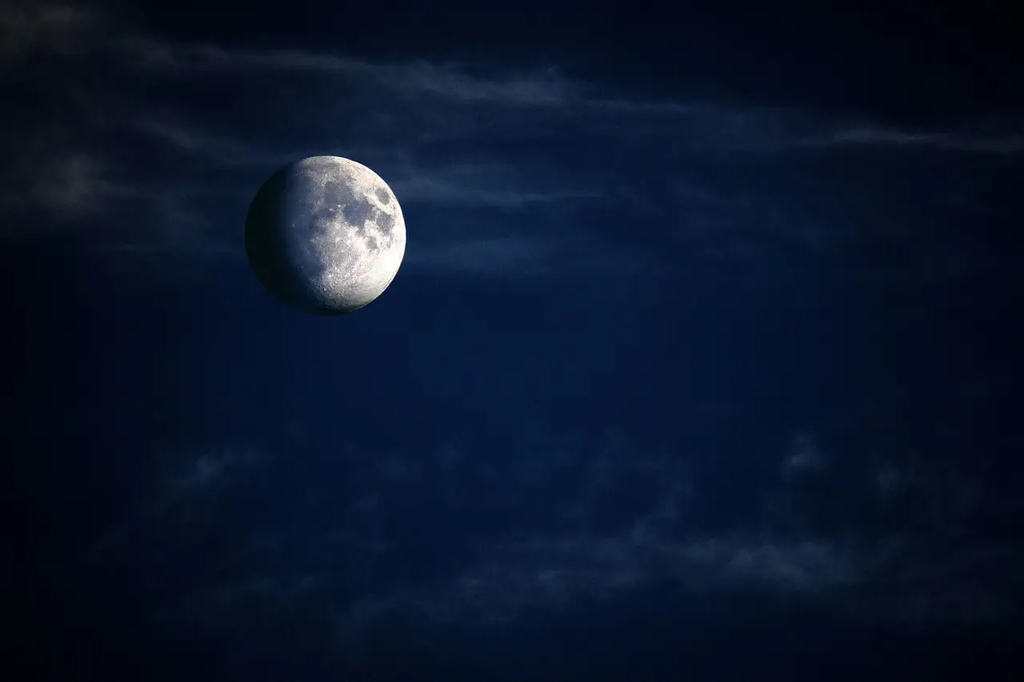
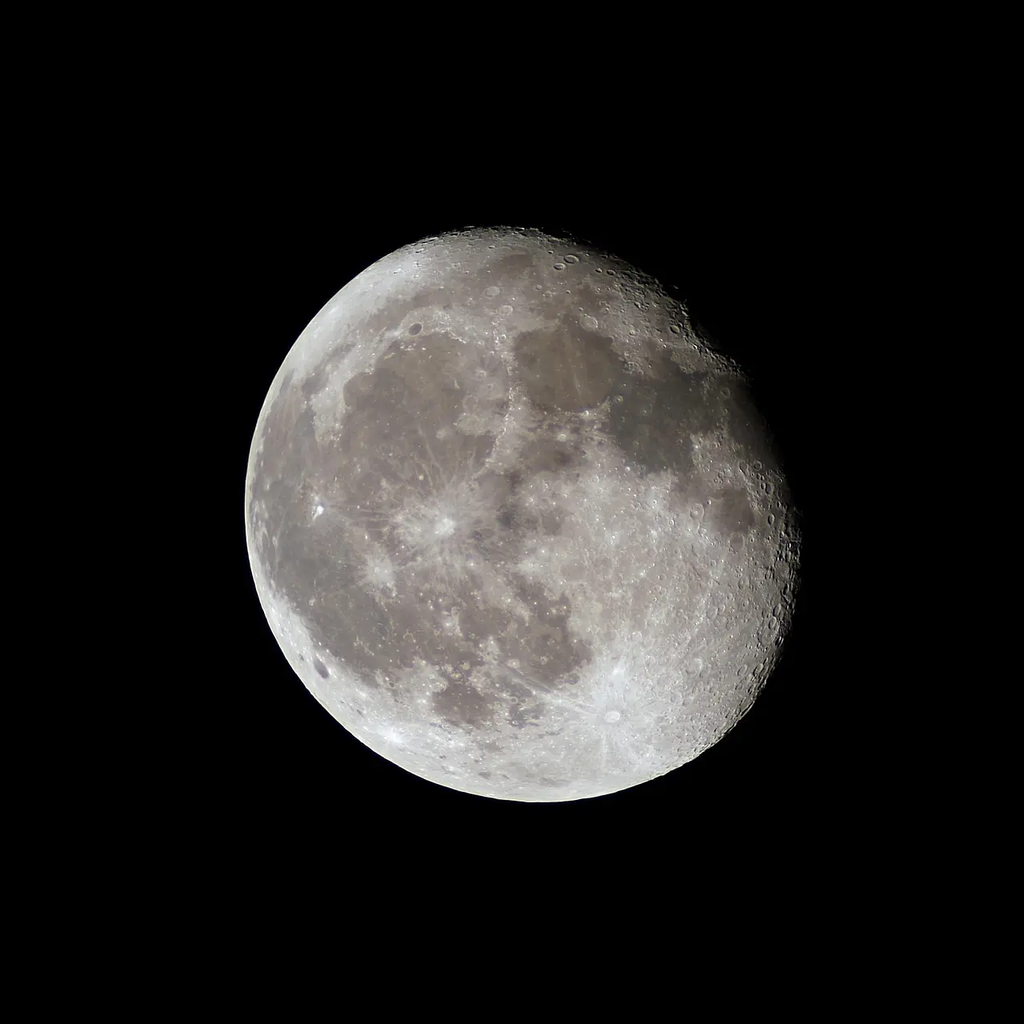
Moon's water ice deposits refer to the frozen water found primarily at the lunar poles, hidden in permanently shadowed craters where sunlight never reaches. Discovered through satellite observations and lunar missions, these ice deposits are significant for future lunar exploration, as they could provide water for astronauts, support life, and be converted into hydrogen and oxygen for fuel. Their presence also offers clues about the Moon’s history and the delivery of water in the solar system.
Moon's Water Ice Deposits
Moon's water ice deposits refer to the frozen water found primarily at the lunar poles, hidden in permanently shadowed craters where sunlight never reaches. Discovered through satellite observations and lunar missions, these ice deposits are significant for future lunar exploration, as they could provide water for astronauts, support life, and be converted into hydrogen and oxygen for fuel. Their presence also offers clues about the Moon’s history and the delivery of water in the solar system.
💡 Key Takeaways
- Identify the polar regions and permanently shadowed craters where Moon water ice is most likely to reside, and why.
- Explain how scientists detect lunar water ice using spectroscopy and neutron data from orbiting missions.
- Describe the primary sources and formation processes of lunar water, including solar wind interactions and delivery by comets and meteoroids.
- Discuss how lunar water ice could support future exploration (life support, fuel, and in-situ resource use) and the challenges of extraction.
❓ Frequently Asked Questions
What are the Moon's water ice deposits?
Frozen water found mainly in permanently shadowed regions near the lunar poles, preserved by extreme cold; some bound water occurs in minerals.
Where on the Moon are these ice deposits located?
Primarily in permanently shadowed craters at the poles where sunlight never reaches and temperatures stay very low.
How do scientists detect and measure lunar water ice?
With orbiting sensors (radar, spectroscopy, neutron detectors) and missions that analyze ejecta or samples to identify water signatures.
Why is lunar water ice important for future exploration?
It could supply life support and rocket propellant (hydrogen and oxygen), enabling sustainable missions without hauling all water from Earth.