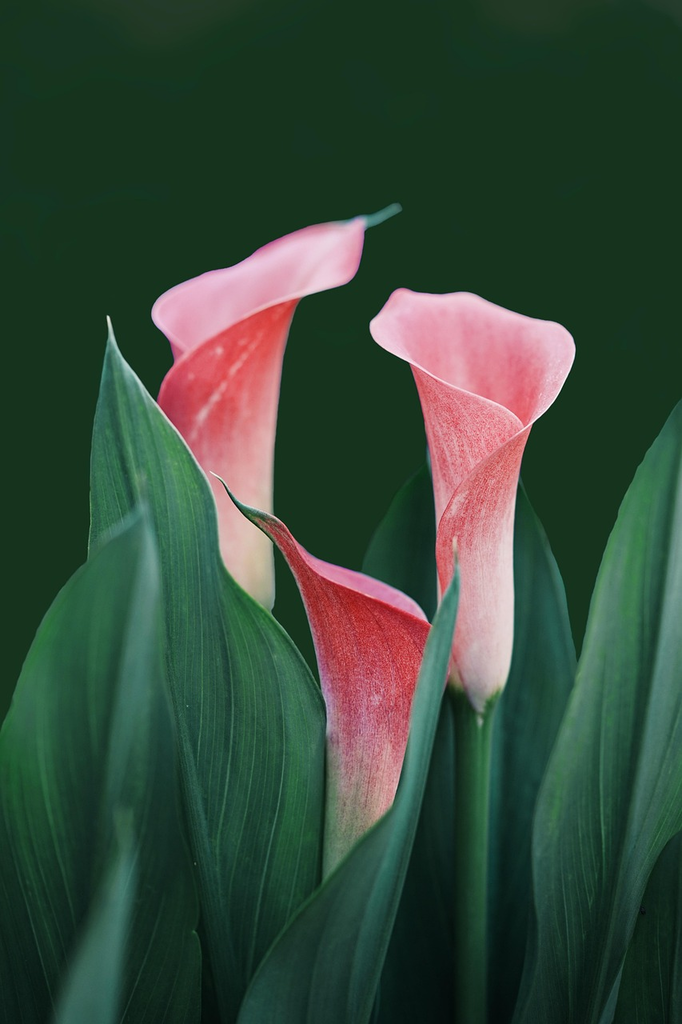
Mother's Day flowers are a traditional and heartfelt way to express love, gratitude, and appreciation for mothers on Mother’s Day. Popular choices include roses, lilies, tulips, and carnations, each symbolizing beauty, admiration, and affection. Giving flowers on this special day brightens a mother’s home and serves as a thoughtful gesture, honoring her care, sacrifices, and unwavering support throughout the year.
Mother's Day Flowers+50
Mother's Day flowers are a traditional and heartfelt way to express love, gratitude, and appreciation for mothers on Mother’s Day. Popular choices include roses, lilies, tulips, and carnations, each symbolizing beauty, admiration, and affection. Giving flowers on this special day brightens a mother’s home and serves as a thoughtful gesture, honoring her care, sacrifices, and unwavering support throughout the year.
💡 Key Takeaways
- Identify popular Mother's Day flowers and the messages they convey.
- Choose the right bouquet based on color, symbolism, and budget.
- Learn simple care tips to keep flowers fresh longer (trimming stems, proper water, and placement).
- Get quick gifting ideas and presentation tips to make the gesture special.
❓ Frequently Asked Questions
What is the traditional flower associated with Mother's Day and why?
Carnations are most commonly linked to Mother's Day. The tradition began in the early 1900s when Anna Jarvis popularized carnations as the day's symbol; pink carnations honor living mothers, while white carnations symbolize remembrance of a mother who has died.
Which flowers are popular choices for Mother's Day gifts?
Carnations, roses, lilies, and chrysanthemums are common options. Choose colors that express your message (e.g., red for love, pink for gratitude, white for remembrance).
How should you care for cut Mother's Day flowers?
Trim the stems at an angle, place in a clean vase with fresh water, remove leaves below the water line, and change the water every 2–3 days. Keep them away from direct heat and sunlight.
How can you pick flowers if the recipient has a strong scent sensitivity?
Choose low-fragrance or fragrance-free blooms (or blooms known for mild scent) and opt for arrangements with greenery or orchids to avoid overpowering scents.
What do common Mother's Day flowers symbolize?
Carnations: love and gratitude; roses: love and admiration; lilies: motherhood and devotion; chrysanthemums: longevity and joy in many cultures.