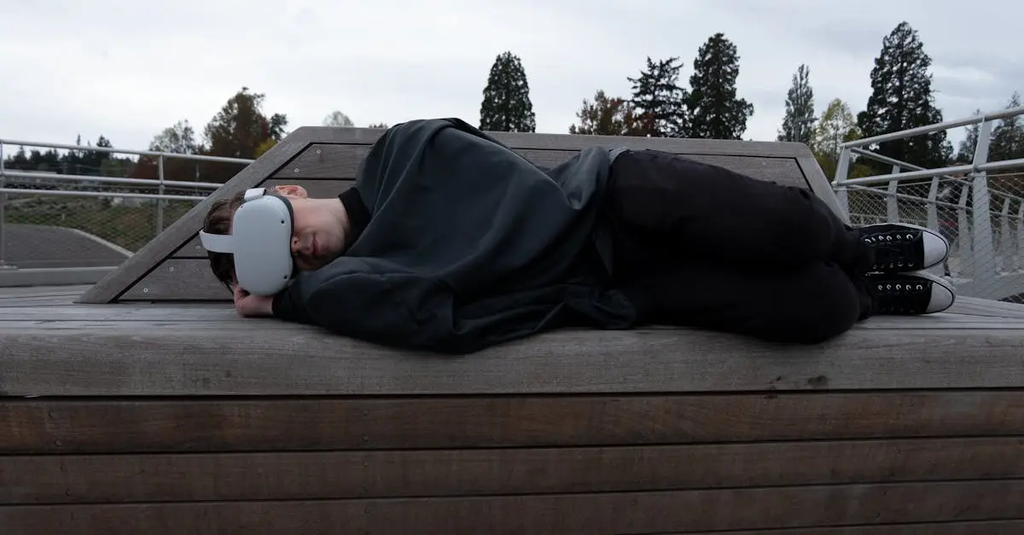
Motion sickness in VR refers to the discomfort or nausea some users experience when using virtual reality headsets. This occurs because the visual input from the VR environment suggests movement, while the body remains stationary, creating a sensory mismatch. Symptoms can include dizziness, headaches, sweating, and queasiness. Factors like low frame rates, lag, or unnatural movement in VR can increase the likelihood of motion sickness, affecting the overall user experience.
Motion Sickness in VR
Motion sickness in VR refers to the discomfort or nausea some users experience when using virtual reality headsets. This occurs because the visual input from the VR environment suggests movement, while the body remains stationary, creating a sensory mismatch. Symptoms can include dizziness, headaches, sweating, and queasiness. Factors like low frame rates, lag, or unnatural movement in VR can increase the likelihood of motion sickness, affecting the overall user experience.
💡 Key Takeaways
- Understand why VR motion sickness occurs when visual motion cues conflict with the body’s sense of balance (sensory mismatch).
- Identify common symptoms such as dizziness, nausea, headache, and eye strain.
- Recognize factors that worsen symptoms—latency, low frame rate, rapid head movements, and wide field of view during movement.
- Learn practical mitigation techniques: use comfort modes (teleportation or snap turns), limit session length, and acclimate gradually.
❓ Frequently Asked Questions
What is motion sickness in VR?
A discomfort caused by sensory mismatch: the eyes see movement in the VR world while your body remains still, which can trigger nausea, dizziness, or headache.
What are common symptoms of VR motion sickness?
Dizziness, nausea, headache, eye strain, fatigue, and sweating.
How can you reduce motion sickness when using VR?
Use comfort options, choose seated or teleport locomotion, minimize continuous movement, increase frame rate and reduce latency, keep a steady field of view, take breaks, and ensure a proper headset fit.
Which locomotion options are easier on the stomach?
Teleportation or snap turning is generally easier than smooth, continuous movement.
How can you acclimate to VR to reduce symptoms over time?
Start with short sessions, gradually increase duration, take breaks, and give your brain time to adapt to the visuals.