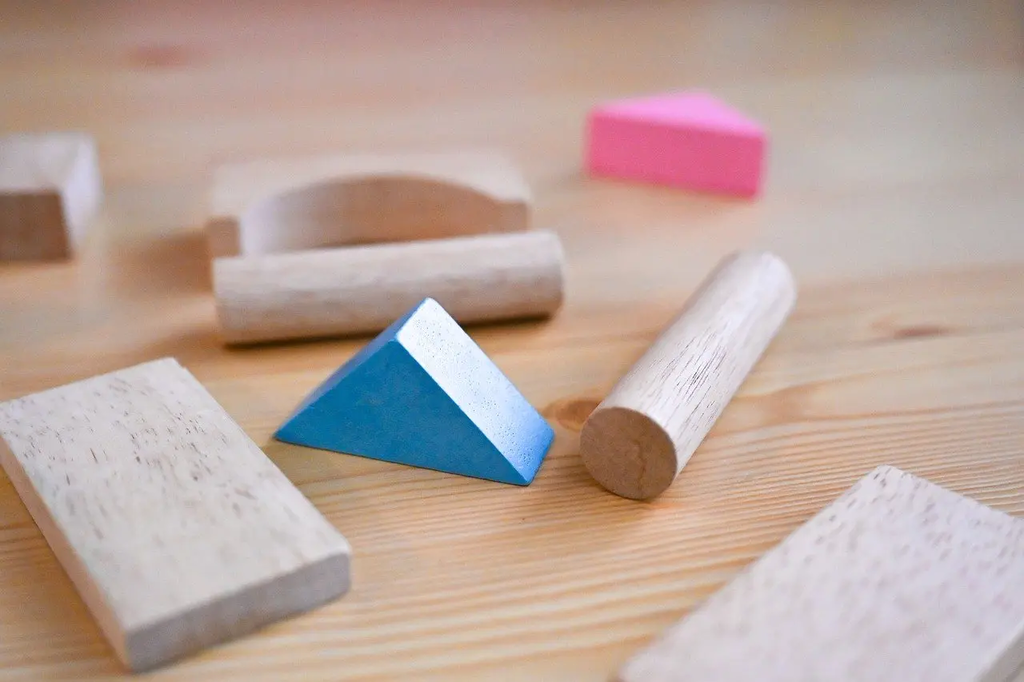
Motor skills and independence development in toddlers involve the progression of physical abilities, such as walking, running, and grasping objects, alongside growing self-reliance. As toddlers refine fine and gross motor skills, they increasingly perform tasks like feeding, dressing, and playing without direct adult assistance. This stage fosters confidence, problem-solving, and social interaction, laying a foundation for future learning and personal autonomy throughout childhood.
Motor skills and independence development in toddlers
Motor skills and independence development in toddlers involve the progression of physical abilities, such as walking, running, and grasping objects, alongside growing self-reliance. As toddlers refine fine and gross motor skills, they increasingly perform tasks like feeding, dressing, and playing without direct adult assistance. This stage fosters confidence, problem-solving, and social interaction, laying a foundation for future learning and personal autonomy throughout childhood.
💡 Key Takeaways
- Identify key gross and fine motor milestones in toddlers and their typical age ranges
- Explain how gross motor skills progress from walking to running and climbing
- Describe practical activities to strengthen fine motor skills and hand-eye coordination
- Learn strategies to support independence in daily tasks (dressing, feeding, potty training) and recognize early red flags for motor delays
❓ Frequently Asked Questions
What gross motor milestones are typical for toddlers and when do they occur?
Most toddlers walk by 12–15 months, run by 18–24 months, and climb stairs with help around 2–3 years. Jumping and more complex moves appear later in the toddler years.
How can caregivers support fine motor skills and independence?
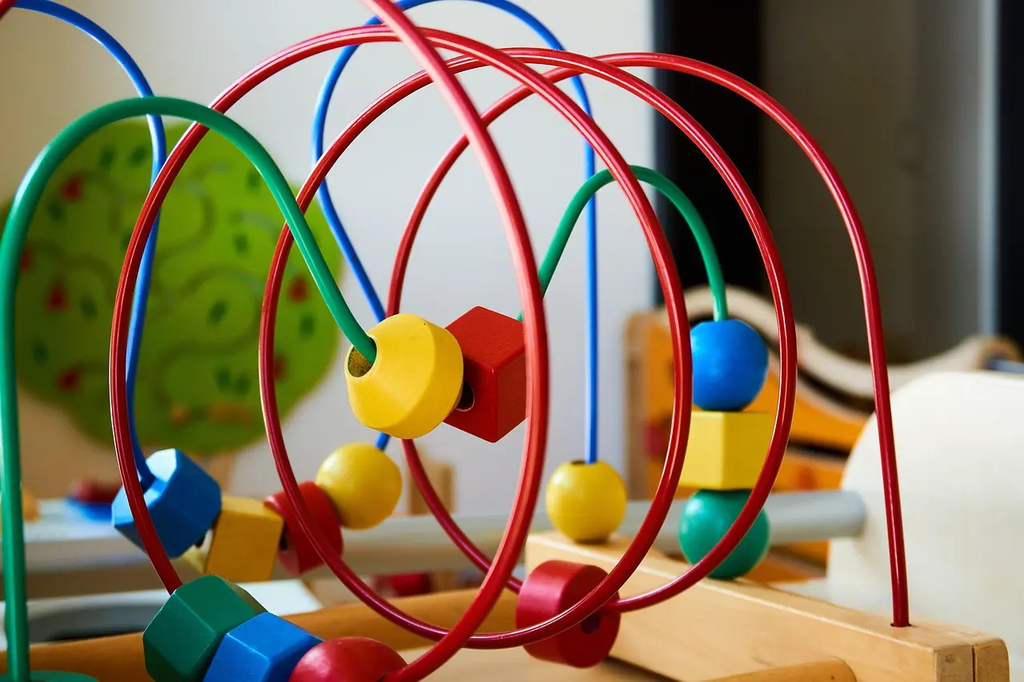
Offer age‑appropriate activities that build a pincer grip and hand–eye coordination (blocks, scribbling, stringing beads), encourage self‑feeding and dressing, and provide safe, reachable toys.
When should I be concerned about motor development delays?
If a child isn’t walking by about 18 months, or shows little interest in moving or using both sides of the body, talk with a pediatrician. Seek evaluation for red flags like limp, persistent asymmetry, or tone concerns.
What daily routines promote independence in toddlers?
Involve them in simple tasks (self‑feeding, dressing, toothbrushing), offer choices, use a safe environment, and provide consistent routines and positive encouragement.
How does a safe, stimulating environment affect motor development?
A child-safe space with age‑appropriate toys and clear supervision encourages exploration and practice of new skills, supporting both balance and coordination.