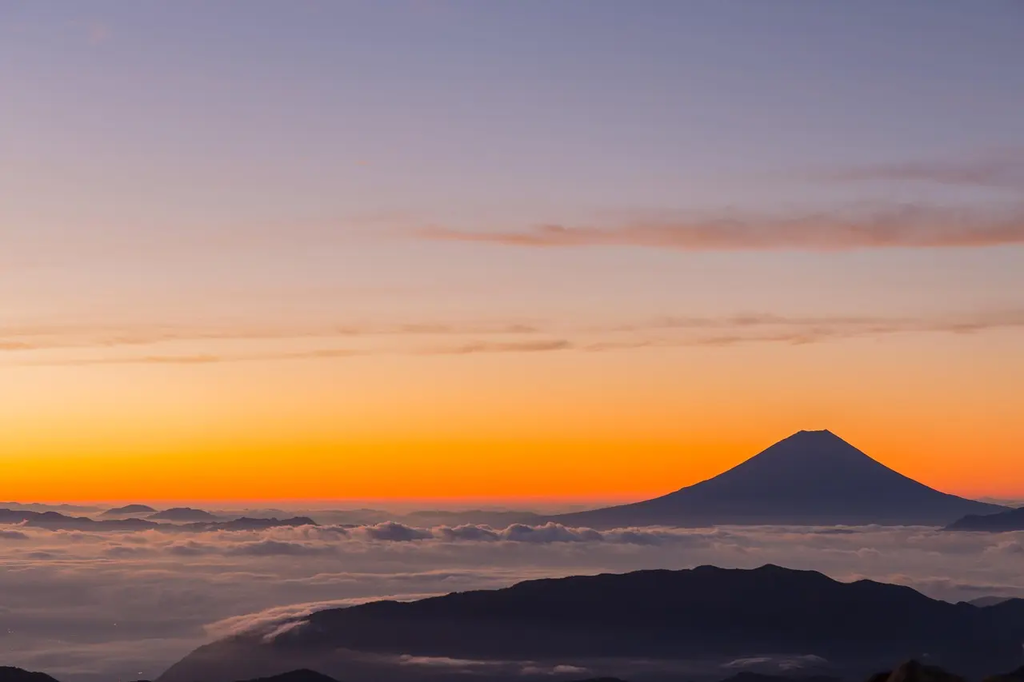
Mount Fuji is Japan’s highest and most iconic mountain, rising to 3,776 meters. Located on Honshu Island, it is a sacred symbol in Japanese culture and a popular destination for climbers and tourists. Its perfectly symmetrical, snow-capped cone has inspired countless works of art and literature. Mount Fuji is recognized as a UNESCO World Heritage Site, attracting visitors from around the world who seek to experience its natural beauty and cultural significance.
Mount Fuji
Mount Fuji is Japan’s highest and most iconic mountain, rising to 3,776 meters. Located on Honshu Island, it is a sacred symbol in Japanese culture and a popular destination for climbers and tourists. Its perfectly symmetrical, snow-capped cone has inspired countless works of art and literature. Mount Fuji is recognized as a UNESCO World Heritage Site, attracting visitors from around the world who seek to experience its natural beauty and cultural significance.
💡 Key Takeaways
- Identify Mount Fuji's location on Honshu and its status as Japan's iconic stratovolcano.
- Know its height (3,776 meters) and the last eruption date (1707–1708).
- Understand Mount Fuji's cultural significance and UNESCO World Heritage designation.
- Get a quick overview of climbing seasons, routes, and safety considerations.
❓ Frequently Asked Questions
What is Mount Fuji and where is it located?
Mount Fuji is Japan’s tallest mountain (3,776 m), a dormant stratovolcano on Honshu, straddling Shizuoka and Yamanashi prefectures near the Pacific coast.
How tall is Mount Fuji?
3,776 meters (12,389 feet).
Why is Mount Fuji culturally significant?
It has inspired Japanese art and spirituality for centuries and was designated a UNESCO World Heritage Site in 2013 as a sacred place and source of artistic inspiration.
When is the best time to climb Mount Fuji, and what is Diamond Fuji?
The official climbing season is early July to early September. Diamond Fuji refers to the sunrise when the sun appears to sit on the crater rim, creating a diamond-like glow.
What are common routes and safety tips for climbers?
Popular routes include Yoshida, Subashiri, Gotemba, and Fujinomiya. Start early, dress in layers, carry water and snacks, check weather, and stay on marked trails. Use the 5th Stations as entry points when appropriate.