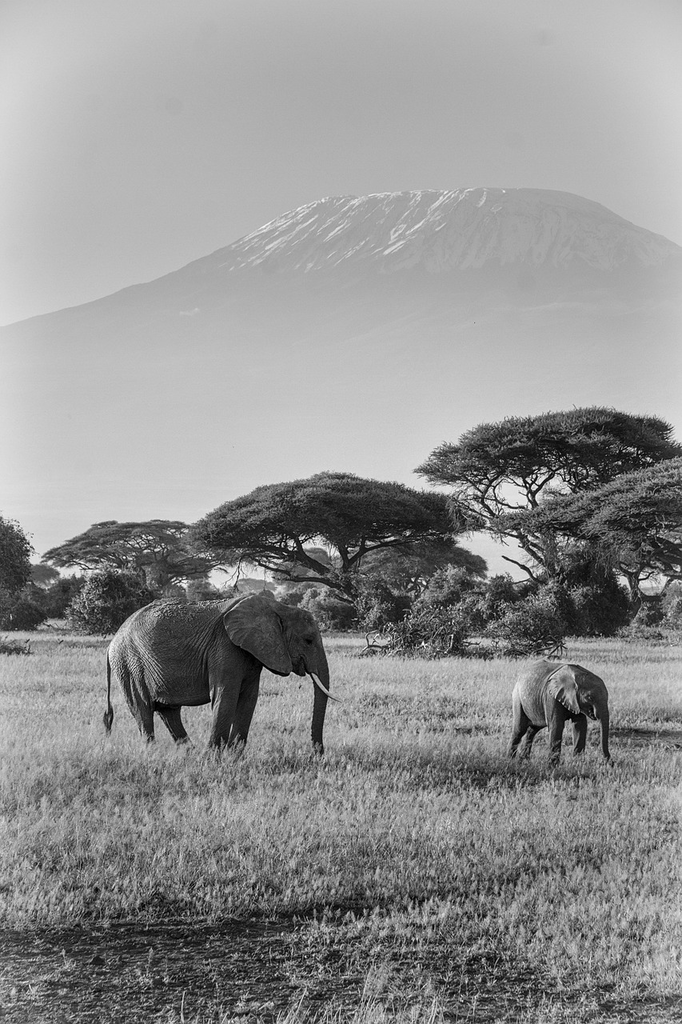
Mount Kilimanjaro, located in Tanzania, is Africa’s highest peak and one of the world’s most iconic natural landmarks. This majestic, snow-capped mountain rises 5,895 meters above sea level and is renowned for its diverse ecosystems, from lush rainforests to alpine deserts. As a UNESCO World Heritage Site, Kilimanjaro attracts adventurers and climbers worldwide, symbolizing both natural beauty and the spirit of exploration.
Mount Kilimanjaro
Mount Kilimanjaro, located in Tanzania, is Africa’s highest peak and one of the world’s most iconic natural landmarks. This majestic, snow-capped mountain rises 5,895 meters above sea level and is renowned for its diverse ecosystems, from lush rainforests to alpine deserts. As a UNESCO World Heritage Site, Kilimanjaro attracts adventurers and climbers worldwide, symbolizing both natural beauty and the spirit of exploration.
💡 Key Takeaways
- Identify Kilimanjaro's location in northern Tanzania and its status as Africa's tallest free-standing mountain.
- Name the three volcanic cones (Kibo, Mawenzi, Shira) and know Kilimanjaro is a dormant stratovolcano.
- Understand common trekking routes, their typical durations, and the importance of acclimatization to prevent altitude sickness.
- Explore Kilimanjaro's climate zones from base to summit and the glaciers at the top, including climate-change impacts.
❓ Frequently Asked Questions
What is Mount Kilimanjaro?
Africa's tallest peak, a dormant stratovolcano in Tanzania with three summits: Kibo, Mawenzi, and Shira.
How tall is Kilimanjaro?
About 5,895 meters (19,341 feet) above sea level.
What are Kilimanjaro's three volcanic cones?
Kibo (the highest, home to Uhuru Peak), Mawenzi (sharp and rugged), and Shira (oldest and eroded).
What are the main trekking routes to Kilimanjaro?
Popular routes include Marangu, Machame, Lemosho, and Rongai; each varies in length and difficulty and requires acclimatization.
When is the best time to climb Kilimanjaro?
Dry seasons: January–February and June–October; weather can still be cold and changeable, so plan for acclimatization.