Mountain biodiversity in the UK encompasses a variety of unique plants, animals, and habitats adapted to harsh, upland environments. Notable protected species include the golden eagle, mountain hare, and rare alpine plants like the snowdon lily. These ecosystems support specialized wildlife and are safeguarded by conservation laws and national parks to maintain ecological balance and prevent the decline of vulnerable species due to climate change, human activity, and habitat loss.
Mountain biodiversity and protected species in the UK
Mountain biodiversity in the UK encompasses a variety of unique plants, animals, and habitats adapted to harsh, upland environments. Notable protected species include the golden eagle, mountain hare, and rare alpine plants like the snowdon lily. These ecosystems support specialized wildlife and are safeguarded by conservation laws and national parks to maintain ecological balance and prevent the decline of vulnerable species due to climate change, human activity, and habitat loss.
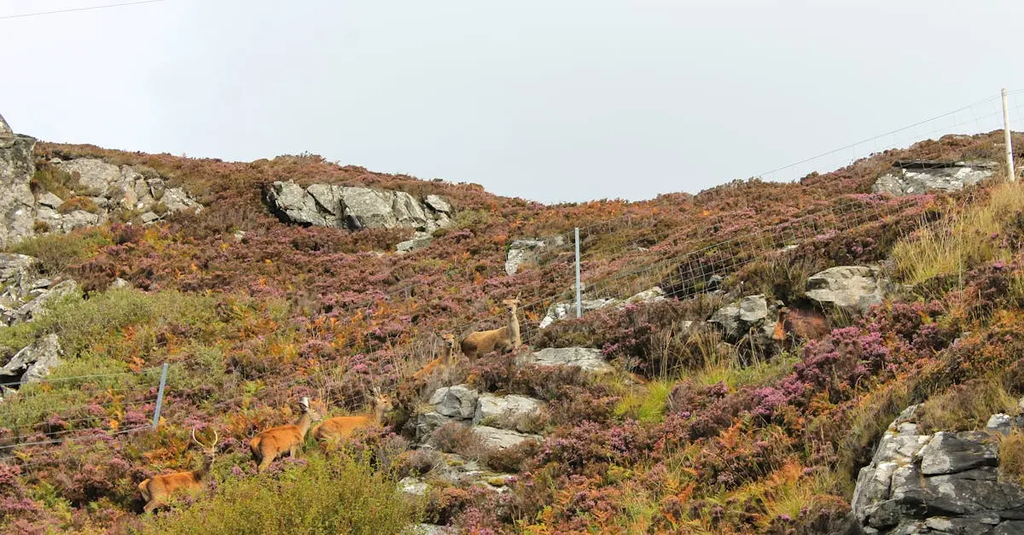
💡 Key Takeaways
- Identify major UK mountain habitats and the species adapted to each.
- Name protected species such as the golden eagle, mountain hare, and rare alpine plants like the Snowdon Lily.
- Explain how upland protection and designations help safeguard biodiversity and ecosystem services.
- Describe key threats to mountain biodiversity (climate change, grazing, habitat loss) and conservation responses.
❓ Frequently Asked Questions
What does mountain biodiversity mean in the UK?
It refers to the variety of plants, animals, and habitats adapted to upland, harsh conditions found in the UK's mountains, such as moorlands, bogs, and alpine meadows.
Which species are notable protected wildlife in UK mountain areas?
Protected species include the golden eagle, the mountain hare, and rare alpine plants like the snowdon lily; these are safeguarded from disturbance and habitat loss by law.
What types of habitats are typical in UK uplands?
Common upland habitats include moorland and heath, blanket bog, upland grasslands, rocky scree, and alpine-like meadows that support specialized wildlife.
What threats do UK mountain ecosystems face and how are they protected?
Threats include habitat loss, overgrazing, invasive species, and climate change. Protection comes from laws, protected areas (like parks and SAC/SPAs), and habitat management.